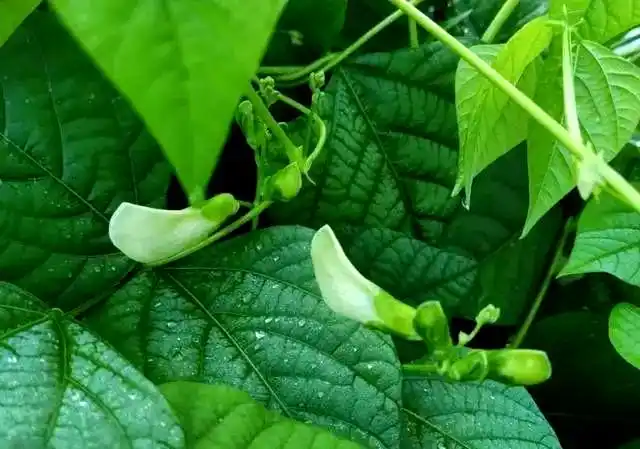
01 summary of quartiles
Four leaves, a rare vegetable known as “new expensive”, has a number of individual names, such as “wing bean”, “yellow bean”, “teach bean” and “four bean”. It belongs to the soybeans, which are born in one year or more, not only on the ground but also on the ground, where the roots of the ground also produce nutrient-rich chips. This makes them not only unique in taste, but also superior in nutritional and economic values. However, the triple beans are a unique and nutritious vegetable, but their production and profitability are reduced by inadequate planting techniques. In order to help vegetable farmers better cope with these problems, we will focus our current period on five common diseases that may be encountered in the field by the prisms, including berylluminosis, beryllosis, beryllosis, beryllium scavengerosis and viral disease. We will describe in detail the diagnostic methods used to identify these diseases and share common chemical agents and their use concentrations, with the aim of increasing the management level of prism cultivation by vegetable farmers and thus its efficiency。
Common diseases and their prevention
I'm sick and sick
Plasmosis is a common disease in the cultivation of prisms, mainly inflammation of leaves. In the field, we can diagnose the disease by looking at the symptoms of the loaf. There are irregular or multi-angle yellow to brown spots on the leaves of the sick strain, with brown on the edge and white or grey in the middle. As the disease evolves, when air moisture increases, small black particles appear on the back of the disease, which is a separate spores of pathogens and an important basis for our diagnosis. These pathogen spores fall into the soil and become a potential threat of re-infection or disease in the next growth cycle。
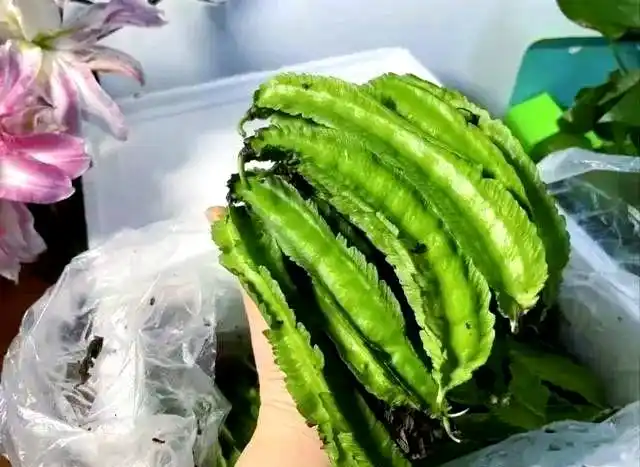
An integrated field control strategy for four-leaks
The extent of leprosy is highly influenced by temperature and humidity in the growing environment. The disease is highly susceptible to disease in high temperature and humidity. In order to prevent and control the disease, we need to work hard on field management to ensure good ventilation conditions in the plant. At the same time, during the early stages of the tripod disease, treatment can be done by chemical spray leaf spray. Commonly used medicines include 75 per cent of the 100 bacterial wettable powder 500-600 times the fluid, and 70 per cent of the methyl tobagin wet powder 500-800 times the fluid, which can effectively control the development of the condition。
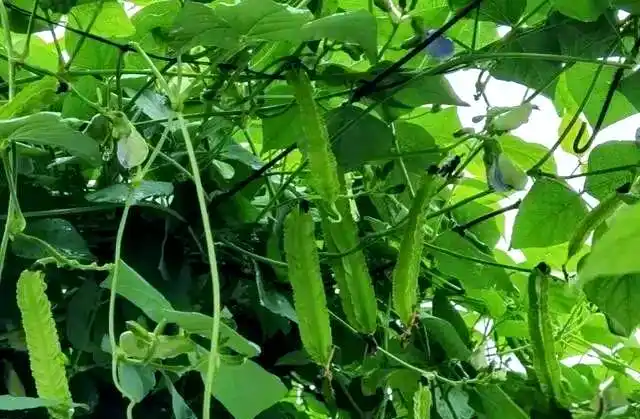
Through these measures, we can better protect the healthy growth of the prisms and improve production and quality。
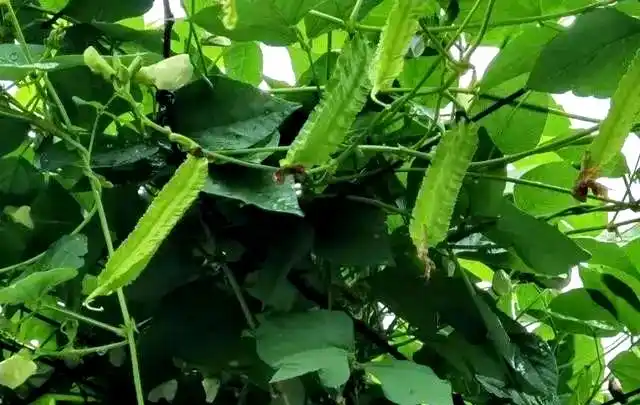
Pyramid. Pyramid
The damage caused by vasectomy to the beryllium is mainly due to the presence of its ears or bouquets. The fungus, which enters through the florist, leads to curvature, which in turn affects the normal opening of the flowers, ultimately reducing the foliage rate and undermining the efficiency of cultivation. In a dry air environment, there is sporadic black mold in the ears of the sick prunes。
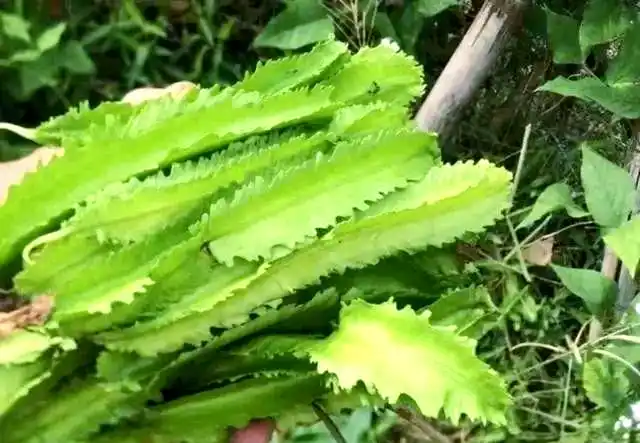
Integrated field prevention and control measures for bean scavenging
Triple fracturing is a fungal disease caused by the “hybacteria” pathogen. In order to prevent and treat the disease, measures must be taken before the symptoms appear. Among the chemicals commonly used in production are 75 per cent of the 100 bacterial wettable powder 500-600 times the liquid, and 70 per cent of the methyl tobuzin humid powder 500-800 times the liquid, which effectively controls the development of the condition. Before the buds of the prism are opened, we can use a variety of agents to treat the leaves in order to prevent the occurrence of curvature。
♪ pyramid bean scurry ♪
Vegetable diseases mainly attack the quarries, which lead to a water stain and gradually to brown, ultimately seriously affecting the quality of consumption. In a more humid environment, the acupuncture produces white to light pink molds, while in the dry air the acupuncture may lose its food value by shrinking。
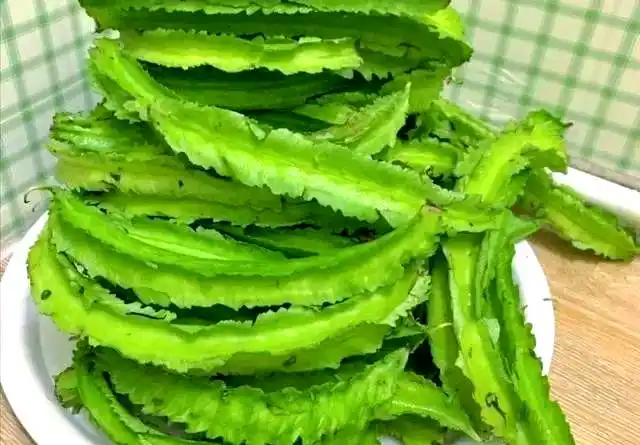
Integrated field prevention and control of bean scurry
Triple bean scavenging, a fungal disease whose pathogen is often winterized in the soil or on the sick. In the spring, the fungus enters with flowing water from the gas hole or wound of the quadrant, resulting in plant disease. The occurrence of this disease is closely related to the humidity of the field, which is usually more acute in high temperature and humidity. The disease is also exacerbated by the fact that the prisms are overcultivated, the leaves are abundant, which leads to poor ventilation, or by the lack of twig work。
A range of measures can be taken in the early stages of the disease in order to effectively prevent and control the disease. Spray leaf treatment can be carried out using 50% more than 500-600 times the liquid, 50% more than 50% more than 500-800 times the copper-wettable powder。
Pyramids
Most of the leprosy is found in the late stages of production, mainly affecting the lobes. In the early stages, yellow-to-yellow green spots appear on the leaves. As the disease deteriorates, the disease tends to expand and integrate into one another, creating larger disease spots, resulting in leaf spores covered with traces that seriously affect light cooperation。
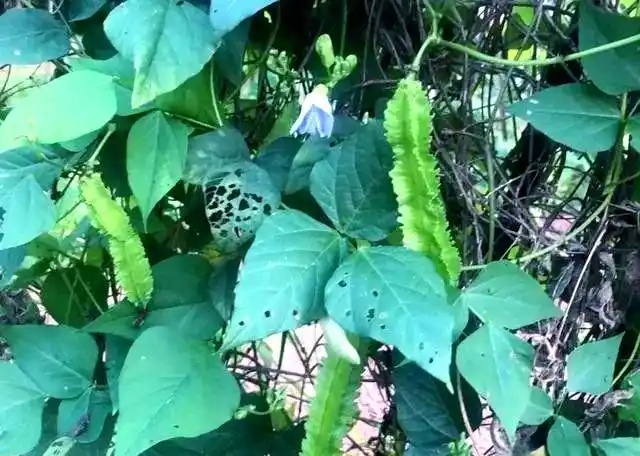
A combination of control measures for melancholia
Pneumoconiosis is a fungal disease caused by a fungus fungus of a sphinx. In order to combat the disease effectively, a series of measures are needed in the field. Specific measures include rational implantation, increased ventilation, timely filtration of branches and the use of microbicides for spray treatment in the early stages of the disease。
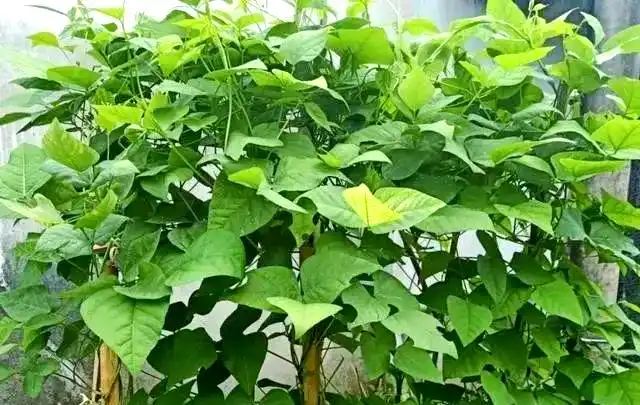
The combined application of these measures can significantly reduce the incidence of quadrant folicemia and guarantee healthy growth and high-yield quality。
Pyramid disease
Four-legged peas may also be affected by viral diseases. The disease leads to symptoms of planting such as leaves, curls, leaf leaves, yellow leaves, constrictions and malformations, which seriously affect the growth and production of prisms. These symptoms are mainly associated with the dangers of toxic media such as aphids and lice in the field。
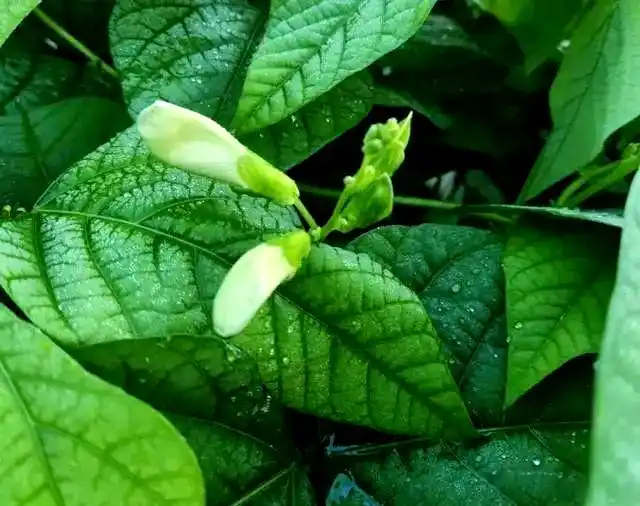
A field-based integrated control strategy for the disease
In the response to tetra-lender virus disease, it is recommended that aphids and pink lice be protected simultaneously. In production, 5% of the aphids can be treated with humid powder of 400-600 times the fluid. At the same time, in order to better prevent and treat the viral disease of the prism, viral agents, such as 4 per cent cytoxin water, can be reused。