


Time and method of planting jasmine
Jasmine's best planting time is from march to may in the spring and from september to october in the autumn. During this period, the best effect is to select warm, wet and well-lighted environments for planting. First, micro-acid soils rich in decomposition are prepared, then jasmine seedlings are planted, the soil is wet, fertilized appropriately and there is sufficient sunlight。
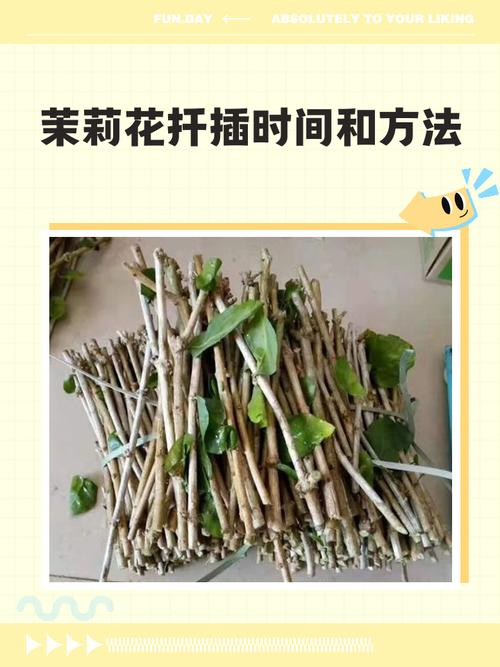
Why plant jasmine in this time frame
The selection of spring and autumn as planting times for jasmine is largely due to the moderate temperature of the two seasons, which effectively avoids the adverse effects of high summer temperatures or cold winters on jasmine growth. Jasmine takes root at this temperature, which is more dynamic and contributes to the healthy growth of plants. Adequate sunlight is also one of the conditions necessary for jasmine to grow. During these two seasons, the light is sufficient, but not strong, to fit the growth needs of jasmine。
Pre-plant preparation
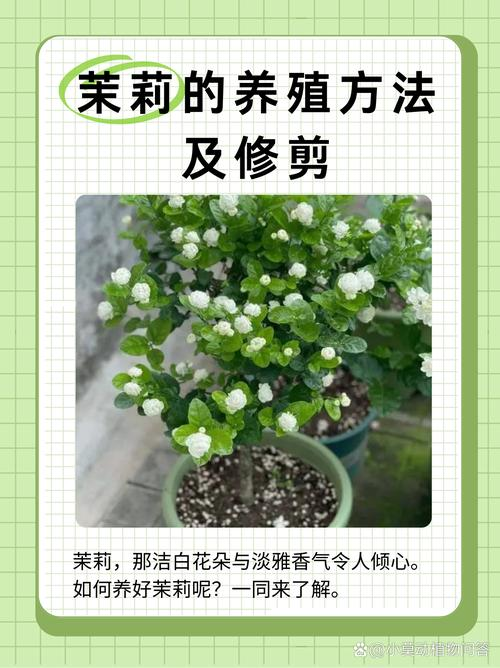
Adequate preparation is needed before formal planting. In order to select the soil suitable for jasmine growth, the use of lax and organically rich micro-acid soils (ph values around 6. 0-6. 5) is generally recommended. The permeability of the soil can be improved by mixing appropriate amounts of pearl rock or neptunite. Soil disinfection is also required prior to planting, with the use of solar tan or chemical agent disinfection to kill bacteria and eggs and provide a healthy growth environment for jasmine。
Attention during planting
In planting, it is generally recommended that the distance between plants be around 30 to 40 cm to ensure that they are sufficiently spaced. The depth of cultivation is slightly higher than the soil. Plantation is carried out in a timely manner and the soil is wet but without water. In order to promote the rapid recovery of plants, some quick-impact complex fertilizers can be applied at the early stages of cultivation. Regular trimming of dead leaves helps jasmine to form good strains and to promote flowering。
Elements of late management
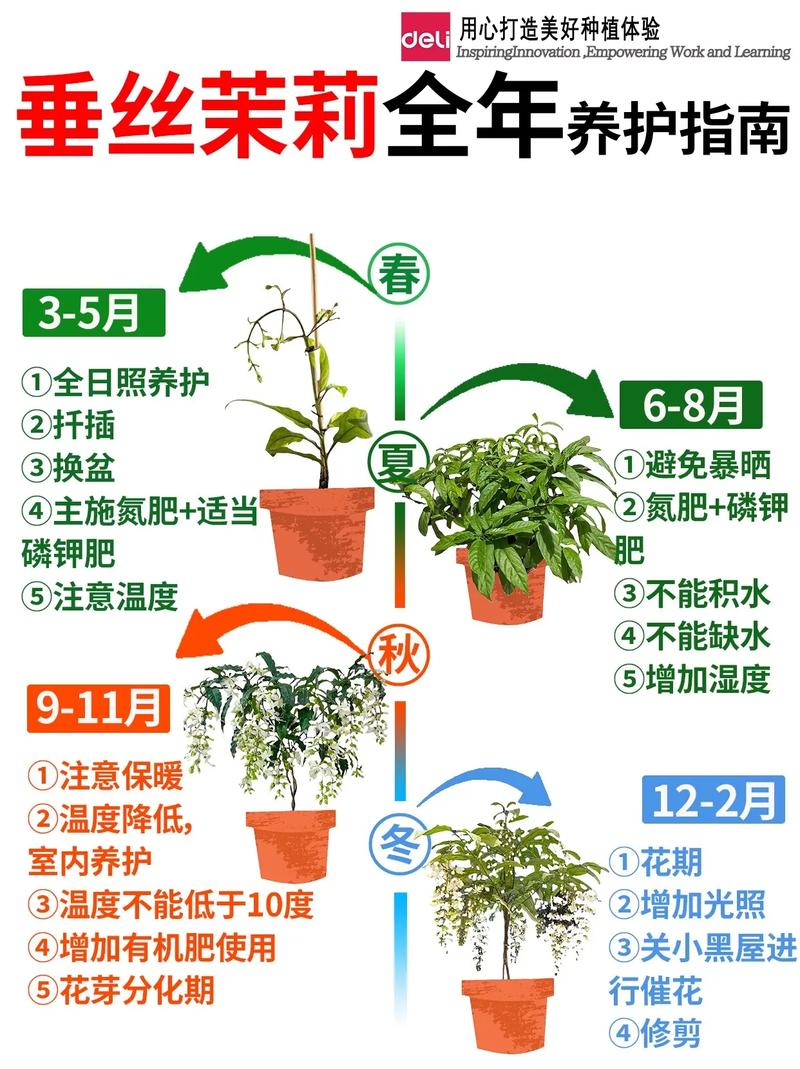
Jasmine likes plenty of sunlight, so care must be taken in day-to-day management to ensure that plants receive direct sunlight at least four hours a day. Appropriate fertilization is also important, allowing for thin liquid fertilizer to be applied every 2-3 weeks. During the summer high temperatures, additional water is required to keep the soil wet. Care should also be taken to combat the occurrence of pests and diseases and to take timely measures to treat them, such as the use of biological pesticides. Through these integrated measures, jasmine can grow healthy and flourish and grow beautifully。



