Planning programme for training middle managers at glb
College of law and administration
Class: 11 human resources management
Submitted by: zhan sooty
School no. 2011094106
Contents
Background of the project 3
Training needs analysis 3
Training objectives 4
Principles of training 4
The training system 4
Training implementation and management 5
Vii. Budget for training and training 9
Training evaluation and feedback 9
Appendix 10
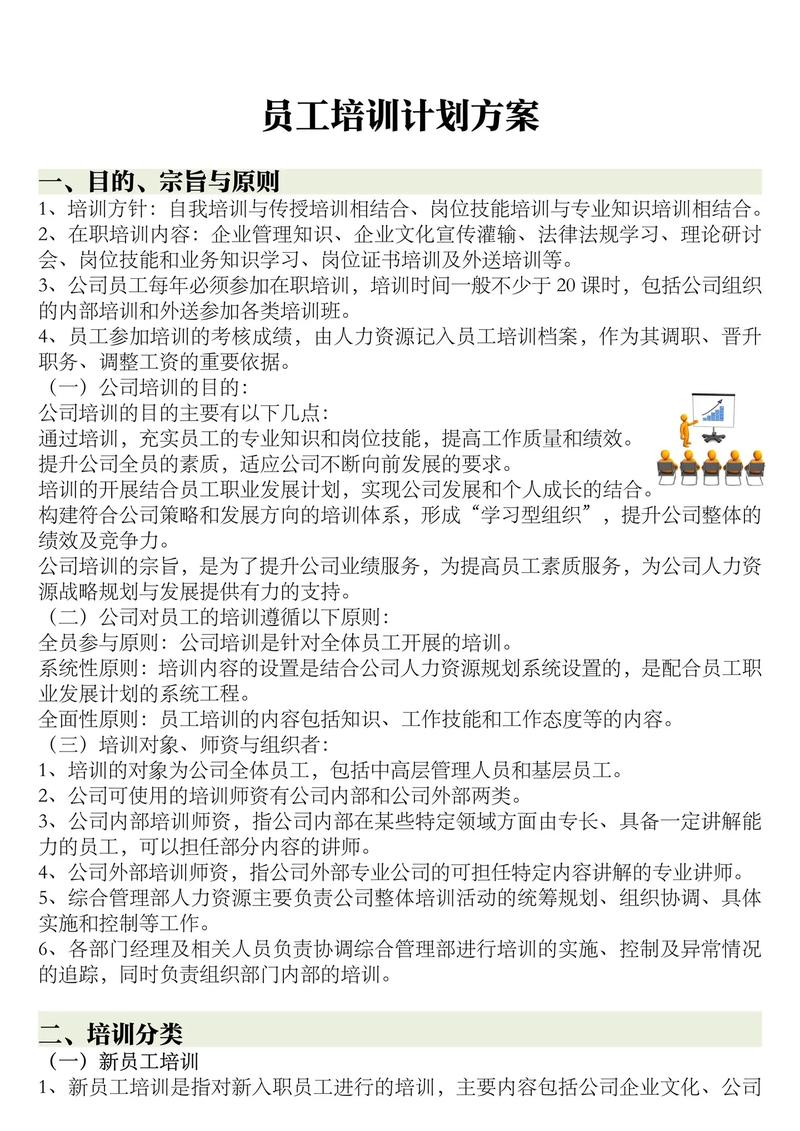
Planning programme for training middle managers at glb
I. Training background
Glb is a fast-growing department store. The rapid expansion of the enterprise throughout the country in recent years has led to new demands for talent, not only to increase the number of new staff but also to emphasize the improvement of the quality of existing staff. With the rapid expansion of the company, the number of company employees has increased dramatically, raising new questions about the corporate culture and cohesion of the company and requiring it to enhance the training of its staff。
In the case of enterprises, middle-level managers are undoubtedly mid-level agents of enterprise growth and decline, they are the concrete implementers of the enterprise's objectives, and they play a pioneering role in the enterprise. The company is now expanding, with mid-level managers adjusting in the recent past, with many moving directly from their business cadres to managerial positions, building management experience by mapping it out, and also leading to failures due to a lack of basic management knowledge, with the costs of losing time, money and opportunity. There is a lack of systematic management knowledge networks, as well as a lack of awareness of the roles of those who have just been re-adapted, and a lack of professional management skills in team-building and management。
Training needs analysis
In order for training programmes to be relevant and operational, different mid-level managers in different sectors, with mixed experience and educational background, will require a training needs survey covering middle-level managers in different sectors, which will include extensive and in-depth research into the current status, composition, capacity, quality and motivation of the management team. We used the interview method and the questionnaire. (a) to understand the training needs of middle managers through interviews and to record them in a timely manner; in terms of the questionnaire, we have designed a well-designed comprehensive questionnaire, which is recycled through the distribution of the questionnaire, statistically analysed the survey results and produced a detailed training needs analysis。
(appendix below: training needs questionnaire)
The results of the survey indicated that:
%;
%, %;
%, %。
%, %;%;
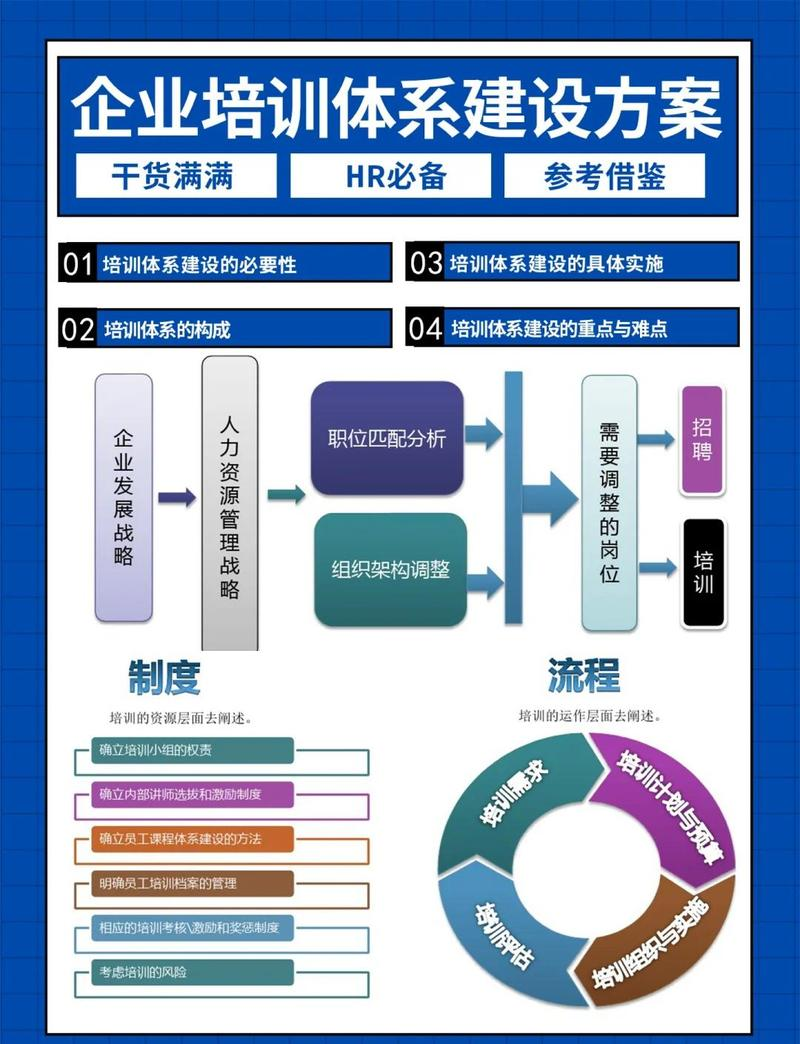
Based on the above data, a more preliminary understanding of training can be obtained among middle-level managers, most of whom believe that training can improve performance and that training is necessary; the use of rest time for training is not recognized by the staff at large and therefore the training schedule should be reasonable。
Integrated analysis is available, and courses urgently needed by mid-level managers include: interpersonal communication negotiation skills, time management, business culture, effective leadership and incentives, performance management for career managers, how to shape teams of excellence, etc
Objectives and objectives of the training
Purpose: to enable mid-level managers to clarify their roles, to form a harmonious and efficient team, to manage communication between top and bottom levels and to stimulate staff performance。
Objective: to implement talent development programmes to develop a cadre of mid-level managers needed by companies; to improve the professional literacy and management skills of existing managers; to enable middle-level managers to define their roles, acquire management skills for team-building and learn performance appraisal。
Principles of training
The design of the content adheres to the basic principles of “needs responsiveness, focus, current orientation, relevance, long-term perspective and quality enhancement”。
Focus on training managers to meet the work needs of managers at all levels. Through training, senior managers are informed about changes in the business environment, trends in industry and procedures and methods for decision-making, and their insight, thinking, decision-making and leadership skills are enhanced to ensure that decision makers are properly discharging their responsibilities。
Meet staff needs. By improving their job skills, they increase their job confidence and are motivated to apply this skills at work, thereby contributing to the achievement of sectoral objectives。
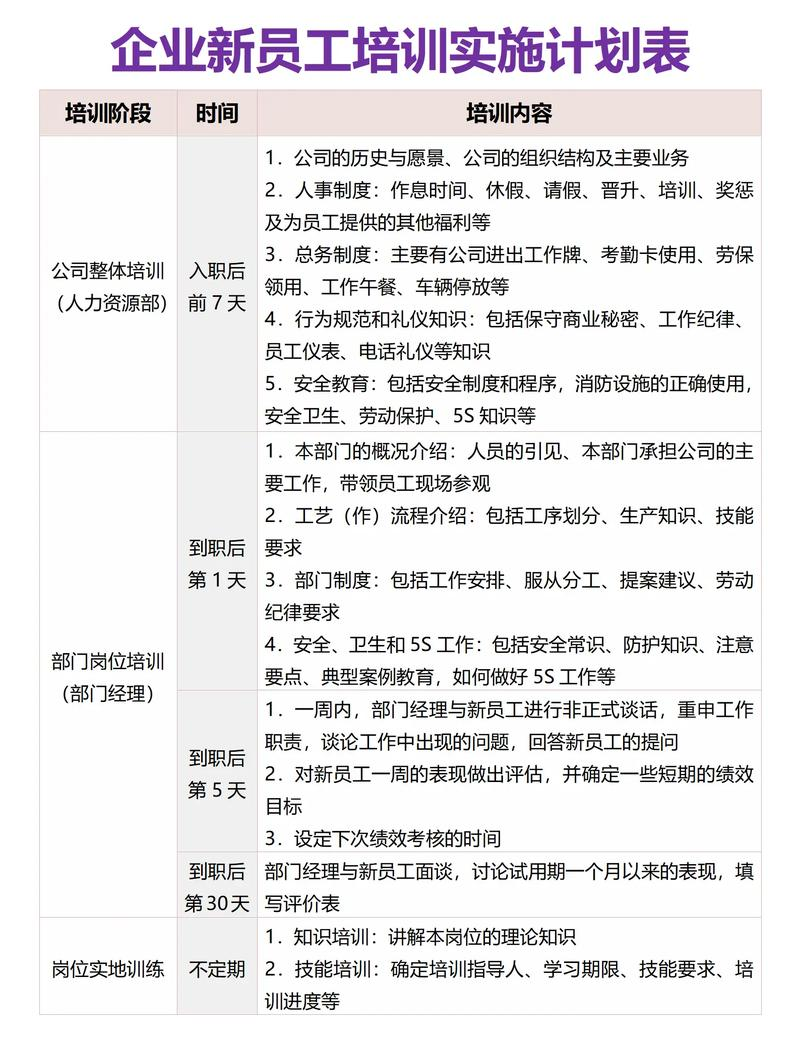
Developing a “learning culture” for companies. Create a culture of corporate learning and sustain company growth。
V. Training system
The staff member must be present on time for the training, as indicated in the training notice. If leave is required, with the consent of the department manager and at least half a day in advance, a leave order signed by the department manager will be sent to the training office, otherwise it will be treated as absenteeism。
During the course of the training, telephones or pagers are not allowed to be heard on the spot or to deal with matters other than the subject of the training sessions, but are set to be silent. The violator will inform the entire company of the criticism。
In the case of those who do not attend full-time training without leave, they are treated as absenteeism upon detection。
Participants who did not arrive on time after the interval between the two training sessions or after the middle break of one training session are processed late。
Upon completion of training, training tests will be conducted, the results of which will be linked to the quarterly appraisals
Training implementation and management
In 2005, the curriculum was enriched and improved on the basis of the existing glb training course directory. Focus on developing middle managers