Childcare knowledge is extensive. This includes the physical training of the child as well as psychological training of the child, i. E. Early education。
Parenting knowledge includes: preparation for pregnancy, parents of children who are pregnant and 0-6 years of age provide scientific parenting knowledge such as parental encyclopedia, parental curatories, parental literacy, shared parenting, early childhood education, paediatric disease referral and infant nutrition feeding。

Physically, it's a lot more. With regard to psychological development, attention is paid to the child's personality development, right brain development, intellectual development, behavioural education, language development, etc。
For parents. It has a lot of experience. Parents now focus on early childhood education. Early teaching is about the well-being not only of the child but of the family as a whole
Encyclopedia of parental knowledge
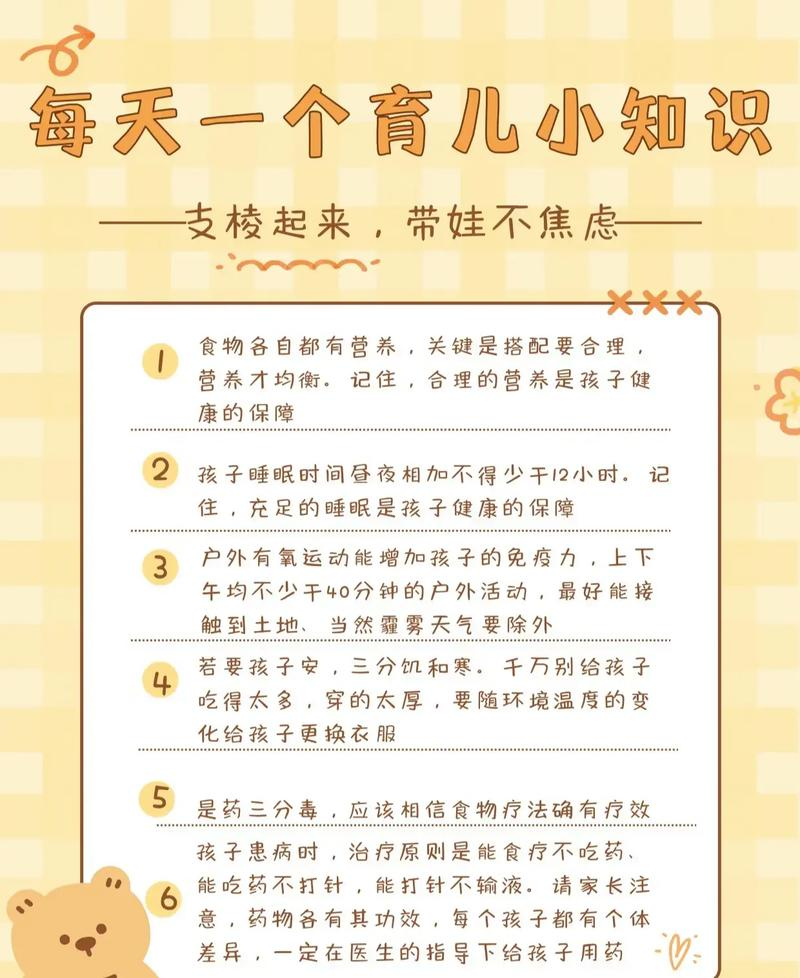
Young mommys can often be seen in paediatric clinics with babysitting. So what's wrong with the saliva? Why is the saliva? The baby is under-developed in his saliva during the neonatal period, and during the first week of life his saliva is estimated at 50-80 ml a day and a night, 1/20-1/25 for adults. Infant saliva levels increased to 200-240 ml per day for about four months and increased significantly after five months。
The saliva is neurologically controlled and is reflective. After birth, the baby is mainly breastfed and is less irritated to the saliva, so the saliva is less excreted. As age increases, saliva levels increase when it is gradually converted to solid foods. Young mommy will find that six months after the baby's birth, there's plenty of saliva in her mouth. In addition to dietary factors, it is also due to the mechanical irritation of the neurological feeling of the tooth when the tooth first appears。
There is often a flow of saliva due to an increase in the volume of saliva in the mouth of the baby, which is not sufficiently deep to control it. As the baby gradually swallows to regulate the amount of saliva in the mouth, and as the teeth emerge and the depth of the mouth increases, the saliva is no longer frequent。
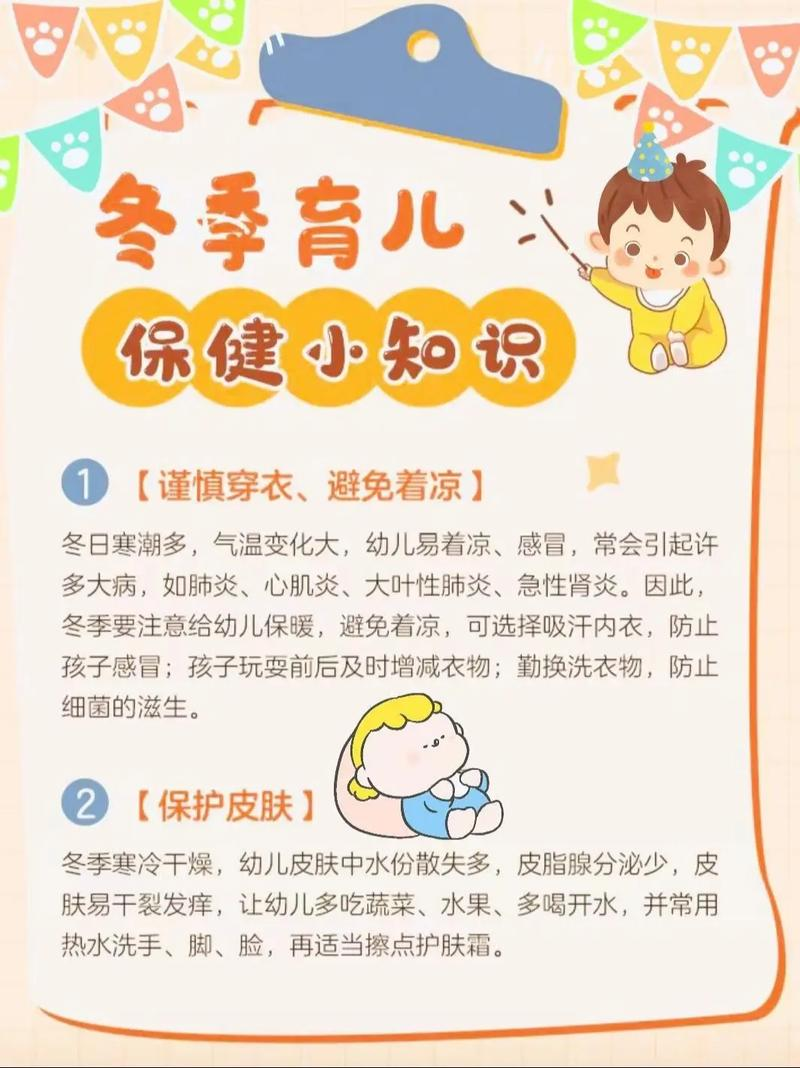
The disease-induced salivating baby has a continuous flow of saliva after the age of one year, which should be carefully observed by parents. Common causes are oralitis, oscillitis, cerebral malformation, encephalopathy, facial palsy, dementia, etc. The children were exposed to saliva because of excessive saliva or their inability to swallow. Parents have to take the baby to the hospital for careful examination。
Chinese healers think that "spleen is open to mouth" and that the use of spleen is too common to be effective, such as 20 g of mountain medicine, 6g of acrobatic art, 12g of acupuncture, 9g of lentils, one dose per day. They can also be worn once a day using white art 30g with a small amount of water。