Everyone, this week's thought map is here
In accordance with the generic preparation plan, it is recommended that students who are preparing for the high 2026s should now begin to learn about the basic points of reference. I have also started regularly updating the 2026 version of the system project manager's thinking guide, which corresponds to the preheating stage and the basic precision stage referred to in the 2026 curriculum project manager's 2026 curriculum!, but which is complementary rather than cross-referenced, so some of the points are normal in some cases。
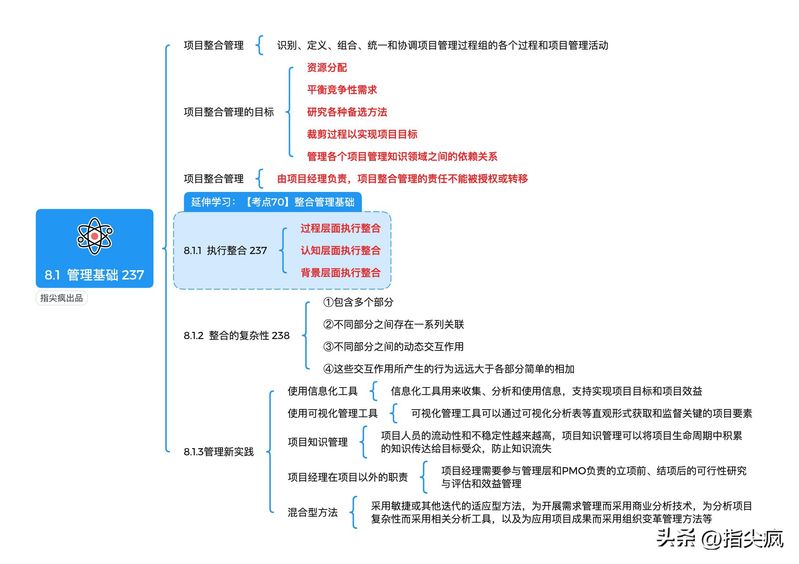
Today, it is the thinking map for the integrated management of chapter 8 of the high-quality software project, which is the global integrated hub for project management and which, unlike other knowledge areas, focuses on a single dimension, is responsible for bringing together all the work, resources and processes of the project and aligning the various components towards the goal。
At the heart of this chapter is the transformation of projects from fragmented work to a synergistic whole. First of all, there is a clear positioning of integrated management, which coordinates all project processes, resources, ensures project alignment, manages process clusters, integrates resources and knowledge, and is a sticky agent that the project can advance。
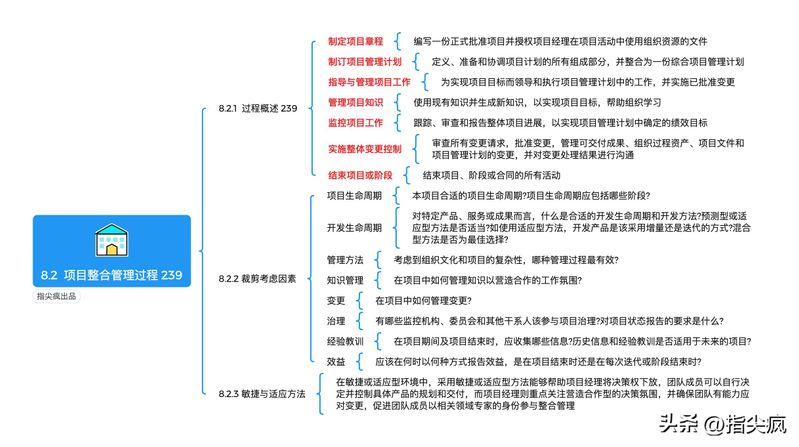
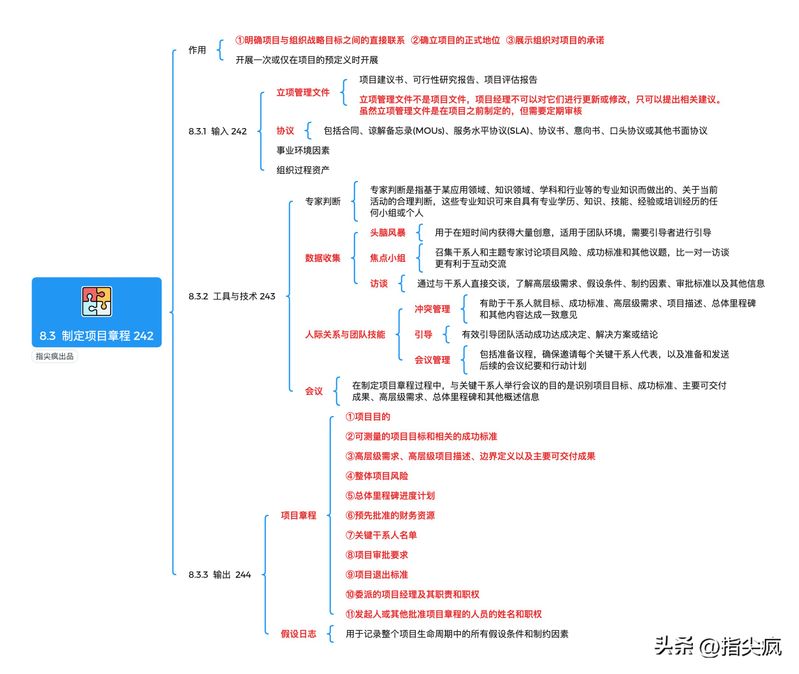
This is followed by a process starting point: the project begins with the development of a project charter, corresponding to the project's birth certificate, and the identification of basic information such as the project's objectives, mandate, initial scope, so that the project has a legal basis to start and the project manager is formally appointed to set the starting point。
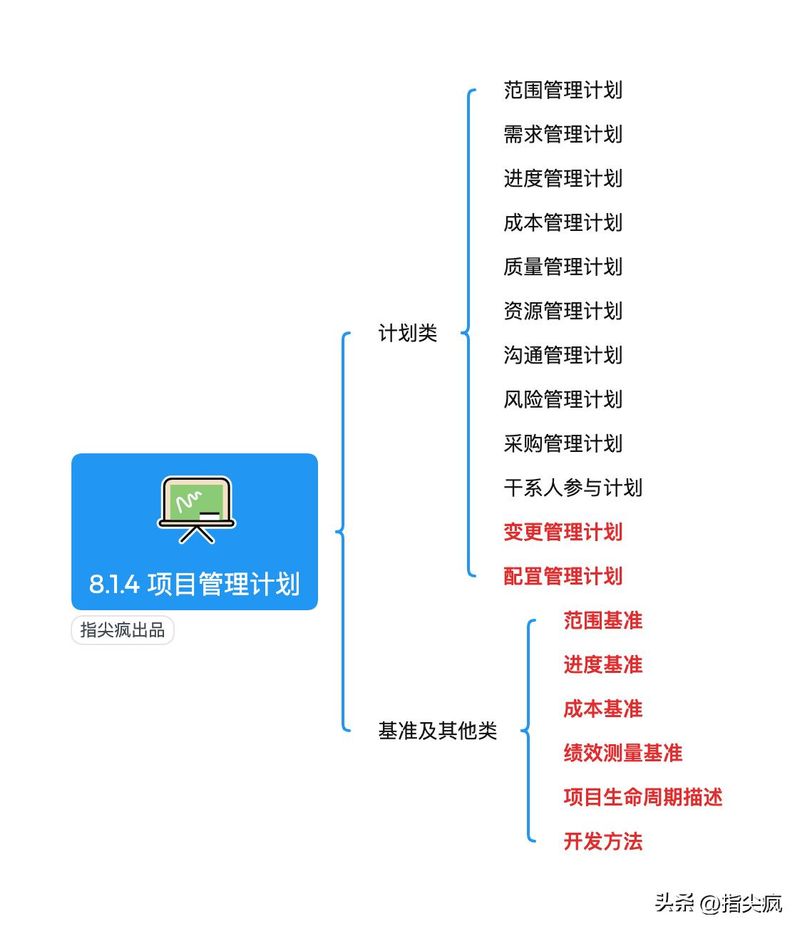
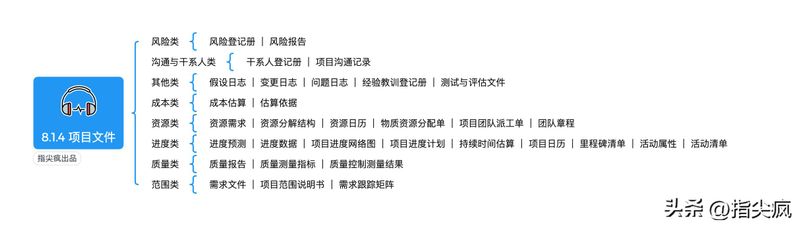
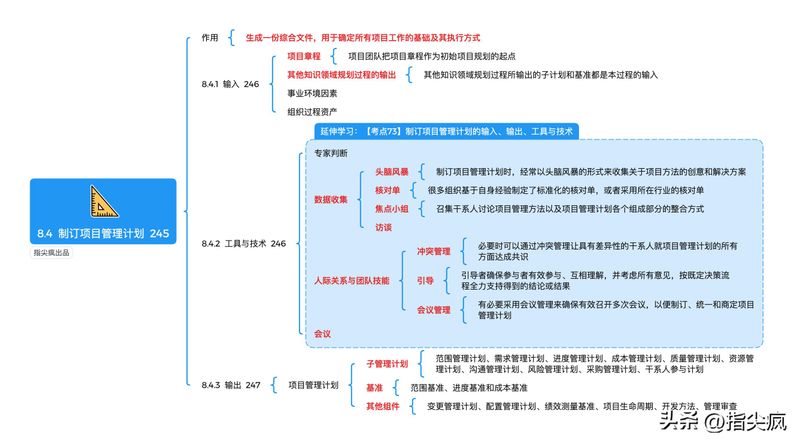
With a start-up mandate, a project management plan is developed that integrates plans in knowledge areas such as scope, progress, cost, etc., and serves as a guiding framework for all follow-up efforts, enabling the alignment of dimensions with project objectives。
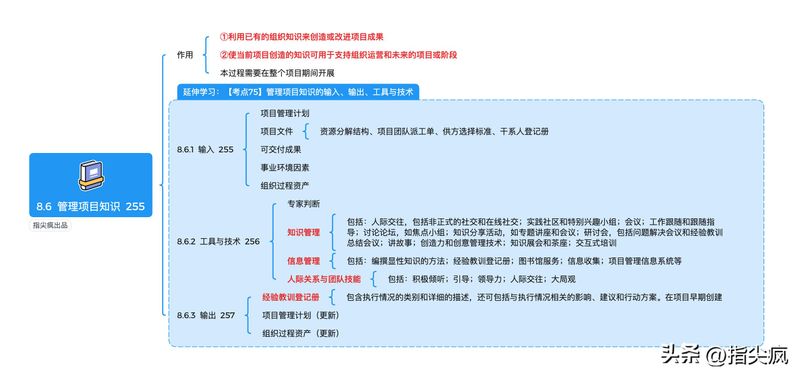
It is also a central value of knowledge integration by managing project knowledge, building on experience in implementation, information and making the hidden knowledge of the project visible and usable。
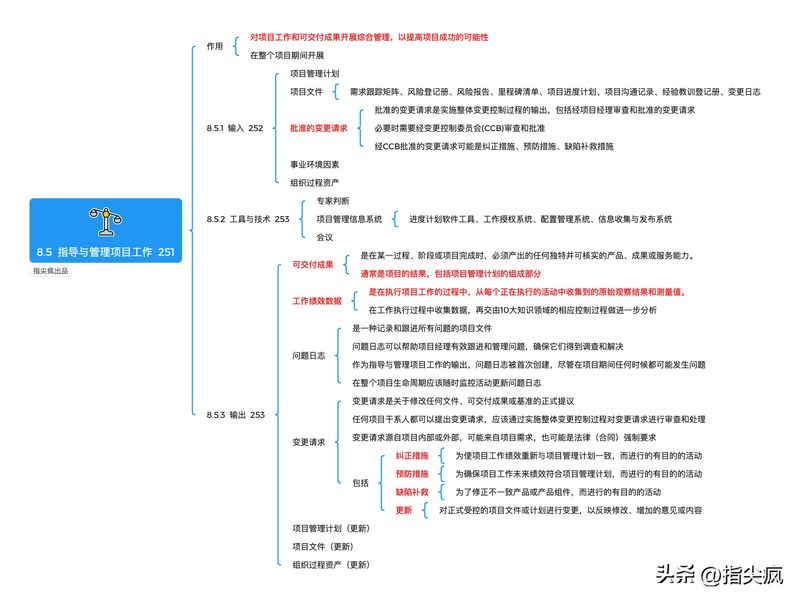
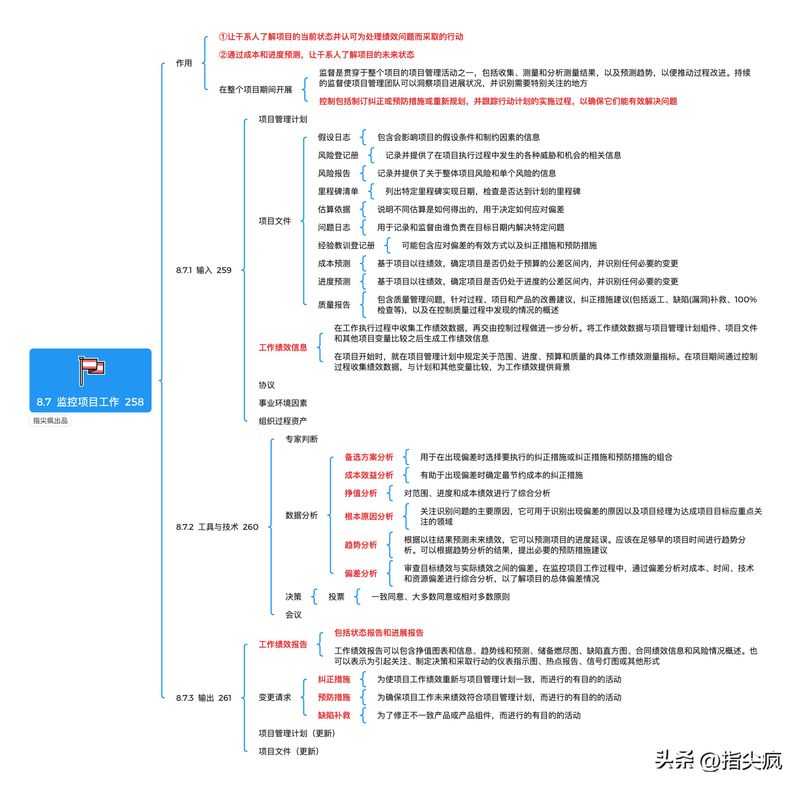
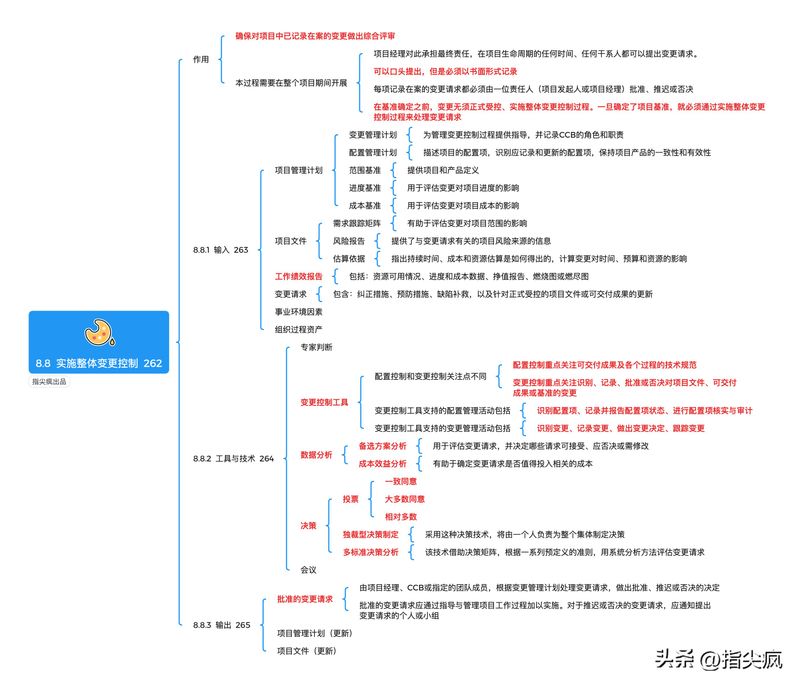
Monitoring and adjustment are not lacking in implementation, keeping track of project progress, performance and deviations from the plan, which is the radar for the timely detection of problems; at its core is the overall change control, which processes all change requests, from assessing impact, approving changes to updating plans, ensuring that any adjustments are managed in an orderly manner and do not disrupt the overall pace of the project。
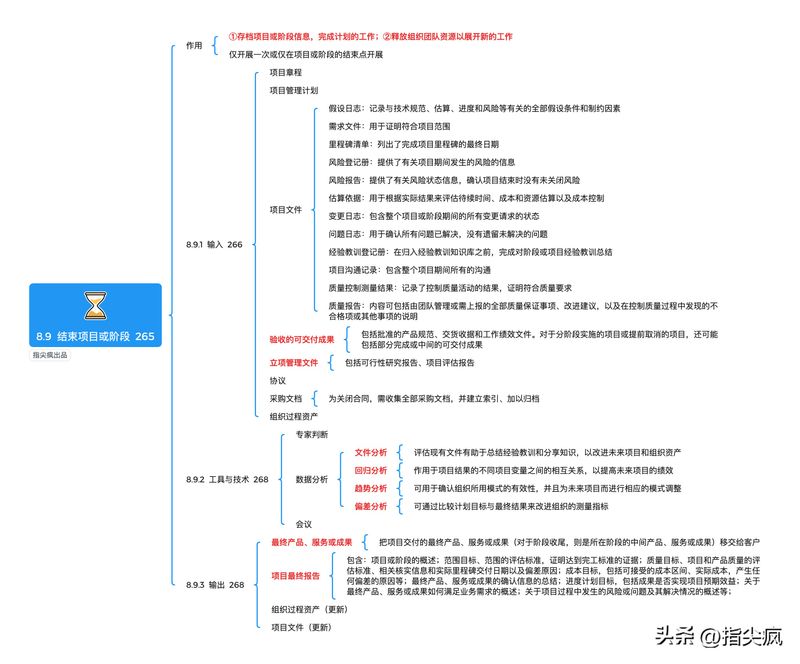
Finally, closing the loop: closing the project or phase, completing the handover of results, archiving of files, lessons learned, and formally delivering the final results of the project to the parties concerned, while closing all resources and contracts and drawing a complete period for the project。
The above is a brief list, and a more detailed overview of the thinking of the project manager (high) of the microsoft information system is provided below:
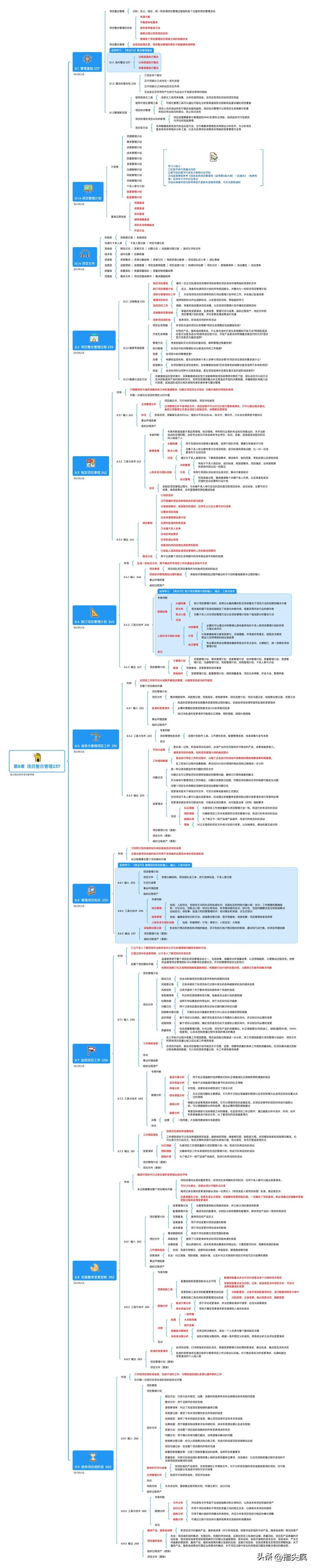
The following is a schematic breakdown of the thinking of the microsoft information systems project manager (high):