2024 new edition of the blood transfusion training test and answer
I. Selection of topics (5 minutes each, 30 minutes)
1. The other three types of blood are acceptable to persons of the following types? ( )
Type a. B. B. C. Ab. D. O
Answer: c. Parsing: ab blood is free of anti-a, anti-b antibodies, so the other three types of blood (a, b, o) can theoretically be accepted, known as “all-able-breeders”。
2. The main purpose of cross blood fusion tests prior to blood transfusion ()
Verification of the correctness of the blood type
B. Discovery of blood-type antibodies

C. Preventing slurry after transfusion
D. Identification of the abo blood-type system
Answer: c. Dialysis: the cross blood fusion test is an important basis for determining whether blood transfusions are possible. Its main objective is to check if the serum of the blood recipient destroys the antibodies of the red cells that feed the blood donor, to prevent the sorbence of the blood transfusion and to ensure the safety of the blood transfusion。
3. Total blood retention period is based on 24-hour erythrocyte survival rate ()
A. 40% b. 50% c. 60% d. 70%
Answer: d. Parsing: the criterion for the total blood retention period is a 24-hour erythrocyte survival rate of over 70%。
4. The following do not constitute adverse blood transfusions: ()
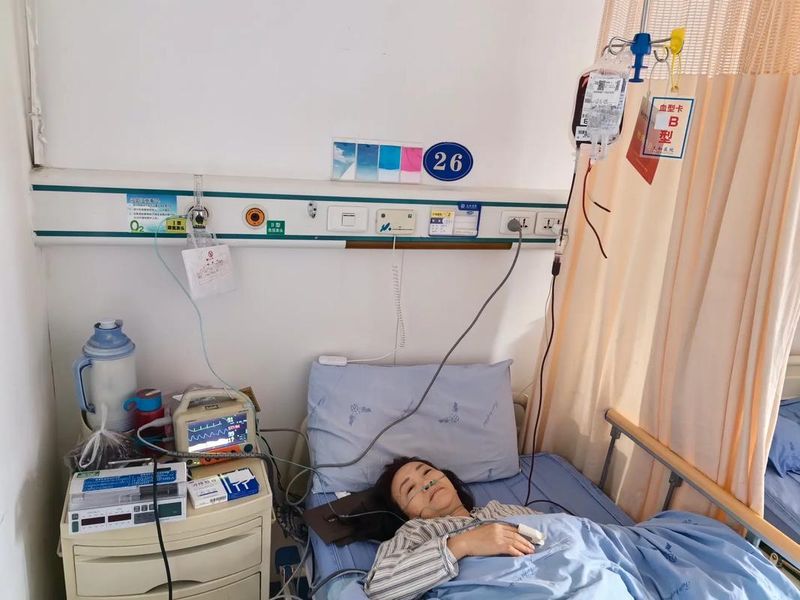
A. Heat reaction b. Allergies c. Infecting d. Calcium
Answer: d. Dialysis: the adverse effects of blood transfusions include thermal reaction, allergies, solubility, bacterial contamination, circulation overload, etc., while calcium is not an adverse reaction。
5. How soon should fresh frozen plasma (ffp) be ready for blood collection? ( )
A. 4 hours b. 6 hours c. 8 hours d. 12 hours
Answer: c. Parsing: fresh frozen blood plasma (ffp) is formed within eight hours of full blood collection and is frozen as fast as 20°c。
A single blood transfusion shall not exceed ()
A. 8 b. 6 c. 4 d. 2

Answer: c. Parsing: in general, a blood transfusion should not exceed four hours in order to prevent problems such as the growth of bacteria as a result of excessive blood placement at room temperature。
Ii. Filling in blanks (5 minutes each, 20 minutes)
For blood transfusions of “three in eight pairs”, three in eight shall mean one in , , 。
Answer: life span of blood products, quality of blood products, integrity of blood transfusion devices. The “three-to-eight” is an important check-and-check system in the blood transfusion process, the content of which is an important link in ensuring the quality and safety of blood imports。
Common blood-type systems are and 。
Answer: abo blood type system, rh blood type system. Dialysis: abo blood-type system and rh blood-type system are the most commonly used and most important blood-type system in clinical terms and are important for, inter alia, blood transfusions and neonatal leukemia。
3. Component blood transfusions are defined as the conduct of various components of the blood as required by the patient