Ii. Development of the tea review
In our oldest pharmacological monograph, the sculpture, “the sculptor tastes herbs and meets 72 poisons on a daily basis,” it can be seen that tea was first discovered in the age of the sculptor, more than 2,000 years b. C., and was first used as a drug. The word “show” is written in the text as one of the generic pseudonyms of the word “tea”。
Zhou dynasty, the tea was used as an offering。
Zihan, the king's proclamation of the covenant, states that “the morning cleaning, the washing, the cooking of tea, the possession of tea by wuyang, and the mention of “cooking tea”, “sheltering,” “buying tea”, which appears as a commodity on the market of wuyang (the two-kang mouths of pangshan county in sichuan) is the first clearly documented in history。
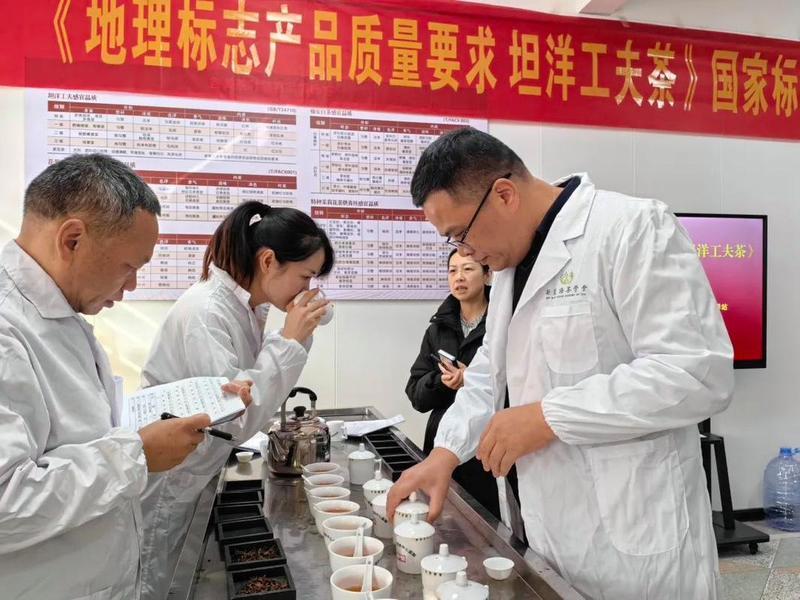
Tang dynasty has invented a green tea-based gravitation system, with complex changes in the type of tea that comes through cooking, dry collections (spread tea), pie tea (fresh leaves directly) and spa tea to spa tea. Tang's "the old man drinks tea, but not today, they drown all night and become custom" and tea becomes a popular drink in tang dynasty. The tea book of tang dynasty systematically addresses tea tree cultivation, tea making, tea drinking and tea evaluation, in which tea assessment is described in terms of tea evaluation shapes, colour, specifications, role and use, as well as in terms of tea making, water use, tea cooking and tea drinking, and presents the basic standards and requirements for tea colour, incense, taste and taste, the first book in the world to be tested for tea review. Lu yu was also honoured by the late generation as a tea sanctuaries。
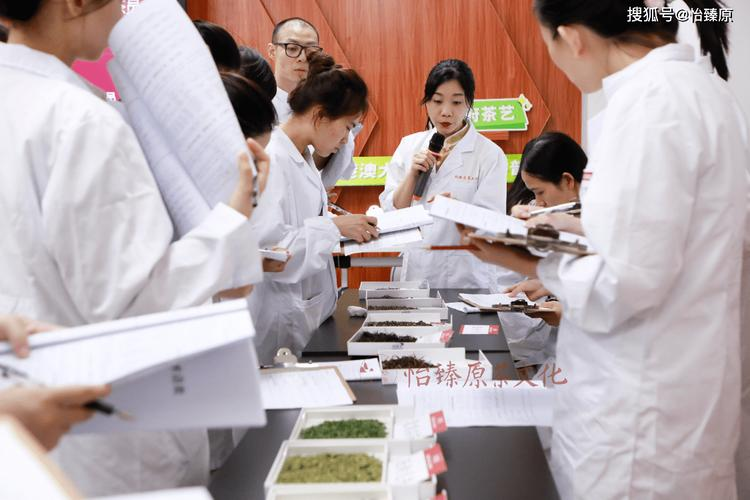
Song dynasty, with its cuisine tea and evaporated and scattered tea, the wind of fighting for tea prevails, and tea users not only talk about the appearance and internality of tea, but also use tea as an admirer and explore the relationship between new varieties of tea and quality. The tea fight is a tea competition that evaluates the beauty of tea colours, scents and tastes and promotes progress in the technology of tea evaluation. Song dynasty has two volumes of tea book, one on tea and the next on the subject. The 10 articles on the colour, scent, taste, hiding of tea, tea, grinding of tea, tea, soup, tea and order of tea, in which the quality of tea is assessed in terms of its colour, etc., are a book that evaluates the quality of tea. In addition, the juventor's " tea review book " provides a more comprehensive summary of the experience of the spa tea review。