


On the morning of 24 september 2025, i had the privilege of listening to a public language course. There is a tense and dynamic atmosphere in the air as new teaching equipment enters the classroom. The students sat in their seats and revealed in their eyes the expectations of this open course。
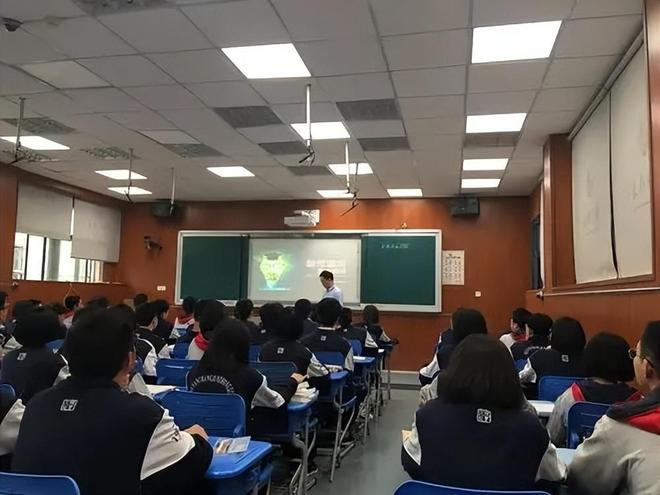
Soon after the start of the course, i saw a clear change. Young teachers are confident on the podium, manipulating ai equipment, as if they were directing a high-tech symphony. Ai displays a fine curriculum with a vivid image of the scenes in the text and is able to provide rapid feedback and outreach based on student responses. To look back at the experienced old teachers, who sat in the back of the classroom and revealed in their eyes a bit of confusion and despair。
They used to be at the podium with deep knowledge and vast teaching experience, but in this era of ai, they seem to have been somewhat overwhelmed. As professor lee, a well-known educational scholar, said, “the rapid development of educational technology poses a great challenge to traditional educators”. The old teachers who watched young teachers play with ai as if they had seen a strange and powerful opponent who could only groan about what it felt like to be grotesque and incomprehensible。
This course is open using a combination of elements. The first was the organization of a panel discussion among students, where there was a great deal of space in the classroom, where students had their own opinions, and the sparks of thinking were colliding. And then, an interesting play, with students actively involved, deepened their understanding of knowledge in their laughs。
This was followed by an upsurge in the classroom atmosphere, where students raised their hands to answer questions. In the middle of these links, teachers also typified small stories and made the knowledge of the otherwise boring language interesting. This series of teaching tools has made me obstinate and has had to admire the innovative abilities and teaching wisdom of young teachers。
I can't help but speculate that leaders should like this class. In their evaluation criteria, the high level of teacher-student interaction, the high classroom atmosphere and the skilled use of ai technology are the hallmarks of high-level classrooms. As indicated in a survey published by the education sector, over 80 per cent of school leaders consider the use of modern technology to boost classroom activity to be an important direction in the reform of teaching. And a classroom like me that can't play anything, can be seen as a chicken and put at a disadvantage in teaching evaluation。
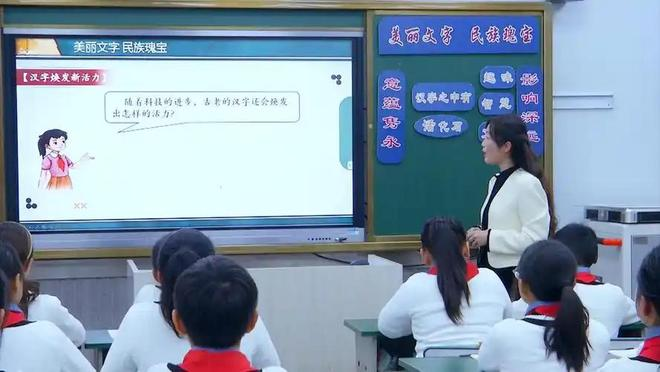
Actually, i took an open class myself today. I have not used the novelties of teaching, unlike the extraordinary open classes. In addition to a video reading that gives students a sense of the rhythm of the texts, the main thing is a combination of lectures. I have focused on guiding students to better understand the content of the texts and to consolidate their knowledge through practice。
My students did not rehearse well in advance, but they did prep. I hope that they will be able to participate in the most real way in the classroom and show their exploration and reflection of knowledge. However, it is also clear to me that such classes may not be able to present the kind of hot spots and high-tech elements that leaders want。
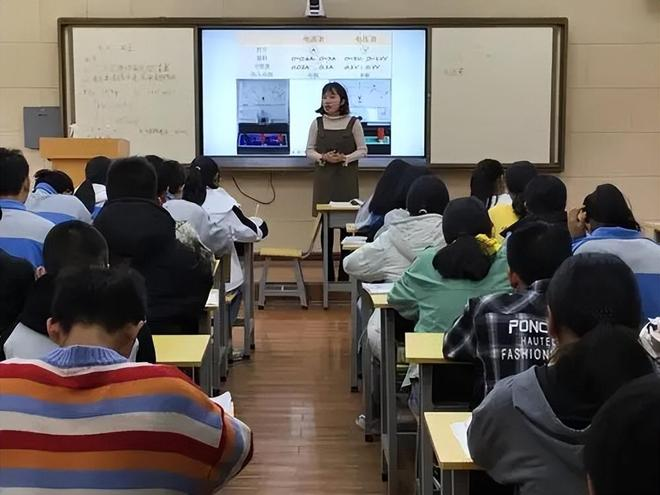
In the classroom, i can feel the focus and input of the students. They listened carefully to me and responded positively to questions and, although there was no such loud interaction, the exchange of ideas had been carried out in silence. When i saw them write the right answers on the subject of practice, and when i heard that they had a unique perspective on the subject, i knew that my teaching was effective。
After the open class, i'm a little mixed up. I know this class may not meet the prevailing evaluation criteria, but i do not regret my choice. Whatever the outcome, i have tried to present the language of my understanding. Education is not just a pursuit of superficial high-tech applications, but, more importantly, a genuine learning process for students to develop their mental capacities and learning interests。
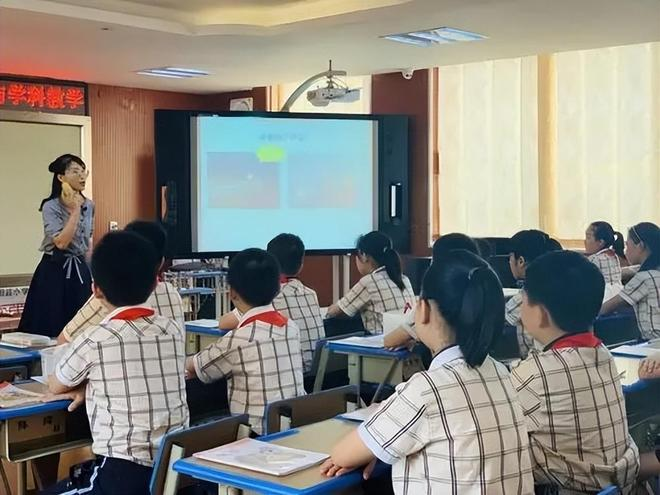
As the educator, mr. Thaksin, said, “teach all religions to be true and learn to be true.” i will adhere to my teaching philosophy and find my own teaching path in this age of change. Perhaps in the future, i will also try to learn and apply new teaching techniques, but i will not forget the beginning of education, which is to lead students in the most sincere way。



