The wisdom temperature control system of the flatland river has achieved the “zero crack” goal of lock concrete through innovative materials, real-time smart regulation and structural optimization. The system is not a single technology, but a whole chain system, ranging from source heat control to dynamic warming, that specializes in the risk of cracking in hot environments for the bulk of concrete。
New material: “temperature cooling down” for concrete
The compound of the breakup of concrete is the heat generated by the waterization of cement, leading to internal and external temperature differentials and contractionary stress. The flatland river has developed two key additives, starting with materials. One is a new type of argon complex expansion that can generate moderate expansion at different stages of concrete hardening, compensates for contractions due to cooling and drying, and reduces the crack drive at its root。
The other is the hydrolytic thermostat, which acts as a “modulator” for cement hydrosis, which significantly slows the occurrence of hydro-heating peaks for about 10 hours and reduces them by almost 40 per cent. This means that the process of “flammation” within concrete has been levelled, peak temperatures reduced and the basis for creating cracks significantly weakened。
Smart system: “digital doctor” of concrete
Materials with “corrupture” are not enough, and rapidly changing temperatures during the construction process require “dynamic treatment”. The wisdom temperature system has built a "sensitization-analysis-control" smart closed loop. Tens of thousands of temperature sensors were pre-positioned in the concrete, while a network of cooling pipes, totalling more than 1. 3 million metres, was laid, constituting an intensive sensory nerve。
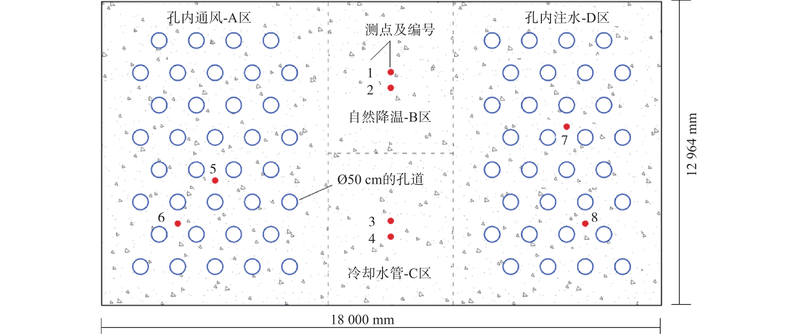
All data are transmitted in real time to the digital twin wisdom canal platform, which automatically analyses temperature field trends and makes decisions. When the internal temperature of concrete is too high, the system automatically increases the circulation of cooled water; when the internal temperature difference approaches the safety threshold of 20°c, it regulates the flow speed to ensure that the temperature difference is always controlled。
The system transforms the conventional reliance on manual experience to data-based automatic precision control。
Structure optimization: allowing heat to “go”
The engineering team has made bold structural innovations in response to pains that are difficult to disperse within the bulk of concrete. They presented and applied large concrete and porous structures. Such a design, like the “coastal” in which many rules are laid out in a solid wall, reduces concrete usage by about **14 per cent** compared to the original solid structure, not only saving material, but more importantly creating natural ventilated heatways。
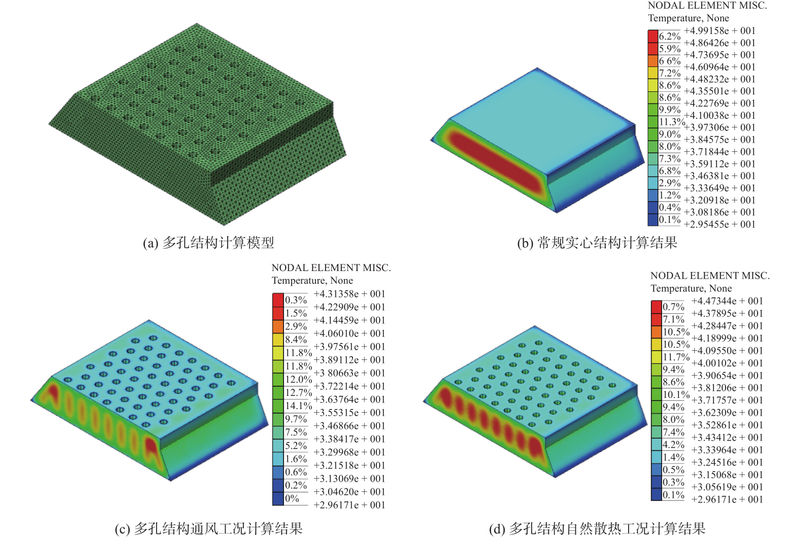
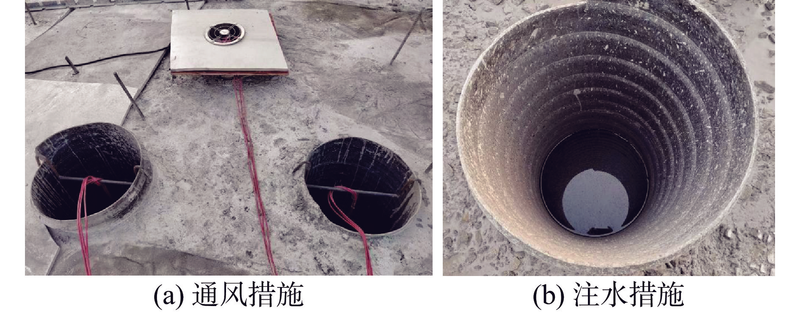
Studies have shown that thermal water is injected into these holes, with the best dissipation effect, which reduces the maximum temperature within concrete by about 9. 5°c. This means that the use of the “general-temperature concrete + corrosive-structured hot water” programme could well replace the energy-intensive traditional “pre-cool concrete + cold water”。
It is the synergy between materials, intelligent systems and structural designs that has reduced the incidence of concrete cracks in key works such as the flatland river pagoda hub to less than 0. 1 per cent, achieving the remarkable effect of a “non-hazardous crack”。