How older persons prevent aids
Jiang jian, center for disease prevention and control in guangzhou, guangdong province
In many perceptions, aids is “a disease of young people”, but the data have already broken that bias. The proportion of newly reported hiv infections in our country, aged 50 years and over, has increased year by year, the number of people aged 60 years and over has increased fivefold in almost 10 years, and it is expected that by 2035 the number of elderly patients will be close to 33 per cent of the total. Even more alarming is the fact that more than 90 per cent of older people are infected through heterosexual contact, nearly half of whom are related to commercial sex, with over 70 per cent of men infected. The fight against aids is long without age limits and health protection for older persons requires greater attention。
I. Cognitive error zones: the “hidden trap” of older persons against aids
“older, not infected”: this is the most dangerous misunderstanding. The virus is easily felt by all age groups, while the immune system for the elderly has deteriorated and the ability to defend the mucous membranes has decreased. Under the same conditions of exposure, the risk of infection is 2. 3 times higher for the 65-year-olds than for the 25-year-olds。
“no condom without contraception”: 82 per cent of older infected persons have never used a condom and consider it “necessary”. The central role of condoms, however, is to stop sexually transmitted diseases, not related to contraception, which is the main cause of infection among older groups。
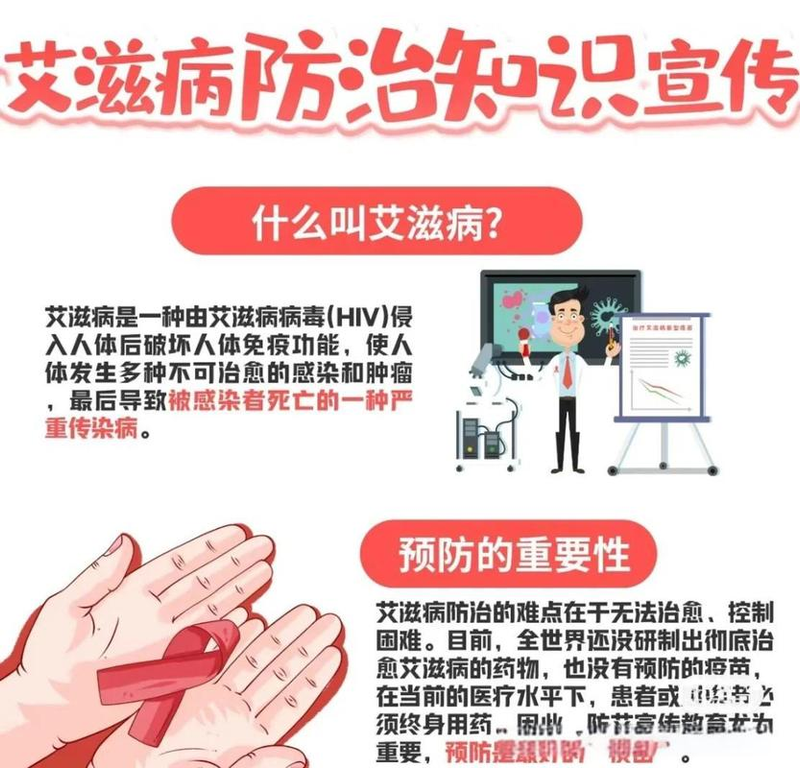
“symptomological or non-infection”: the symptoms of the acute period of aids are similar to those of the cold, with no symptoms lasting up to four to eight years, and older persons tend to classify the symptoms of inactivity and wasting as normal ageing, with an average delay of 2. 1 years from infection to diagnosis, with 43 per cent reaching a severe stage at diagnosis。
Ii. Three main causes: the truth about neglected infections
Risk of sexual demand being suppressed
75. 1% of males over 60 years of age still have regular sex life, but condom use is less than 20%. Societies avoid the need for older persons to acquire protective knowledge。
2. Deadly loopholes in cognitive error zones
Most older persons consider “no condom at their age, no contraception,” but do not know that condoms are a central barrier to breaking stds。
3. Dual physical and test disadvantages
The risk of death is significantly higher for older persons with reduced immune functions, faster progress in post-infection conditions, and the late detection of those infected due to symptoms that are masked by “geriatric disease”。
Science against aids: remember these four-step key lines
Use of "protective shields" throughout the journey
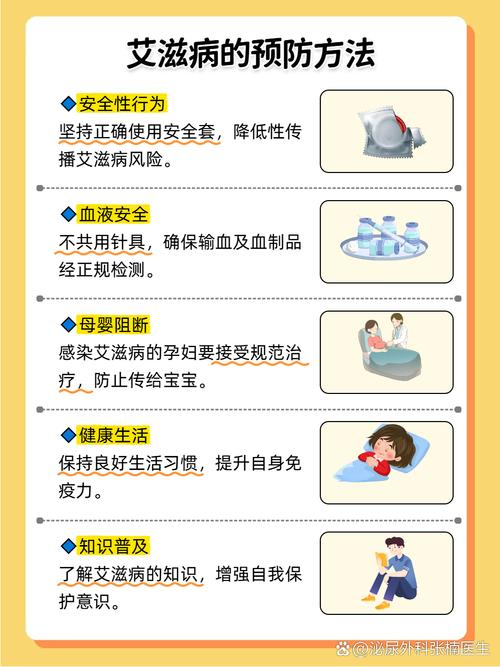
Whatever sexual contact, condoms must be used correctly throughout — the most effective method of preventive transmission。
2. Early disposal of high-risk behaviour
Following high-risk behaviour such as unprotected sex and needle-sharing, the best use of the blocker is within 2 hours, with no more than 72 hours and a continuous period of 28 days。
3. Non-delayed screening

Detectable 1-4 weeks after high-risk behaviour (1 week for nucleic acid testing, 2 weeks for joint antigen testing, 3 weeks for antibody testing) and free testing at cdc. Aids must be detected through testing, early detection and treatment, and long-term well-being for those infected. There are now several methods of testing for aids: (1) antibody testing: this is the most commonly used screening method to determine whether or not an infection is being infected by testing hiv antibodies in blood, saliva or urine. Antibodies are generally detected between 3 and 12 weeks after infection, and additional corroboration tests, such as immunomarking, are required after primary screening. (2) antigen testing: the main antigen at p24 for hiv can be detected two to three weeks after infection, can be detected earlier than antibody testing, and is often used in conjunction with antibody testing. (3) combined antigen testing: co-testing for hiv antigens and antibodies can further shorten the window period, generally detected one to four weeks after infection. (4) nucleic acid testing: the detection of hiv nucleic acid (rna) in blood is used to determine whether the infection is infected, and the window is shorter, usually detected one or two weeks after the infection. (5) cd4+t lymphocyte testing: hiv primarily targets cd4+t lymphocytes in humans, which, by testing their number and proportion, helps to understand the immune status of patients and to determine the severity and prognosis of the disease. (6) hiv load testing: the number of hivs detected in blood reflects the replicability of the virus in the body。
4. Stay away from hidden risk points
Refusal of innovative services such as acupuncture, foot therapy, etc. In informal institutions and the possibility that equipment could not be sterilized could spread the virus through blood。
Eradicating prejudice: aids is not a “moral label”
Aids is an epidemic, not related to age or occupation. Older patients do not have to hide their shame, communicate honestly with their families and treat them in a timely manner to reduce health damage. Families should be more proactive and assist older persons in acquiring hiv prevention knowledge。
The disease experts remind that age is never the umbrella, and scientific knowledge is the real line of defence. To protect the health of old age and to protect against aids。