China’s development achievements over the past five years have been systematically summarized in the 20 major reports of the taihu networking party, which paint a beautiful blueprint for a new era in which china’s high-quality development has helped to advance the great goals of the chinese nation’s revival. As to how high quality can be achieved, the secretary-general of xi stated: “to accelerate the implementation of innovation-driven development strategies, to accelerate the achievement of high-level science and technology self-reliance, to be guided by national strategic needs, to bring together forces to undertake original and pioneering science and technology challenges, to resolutely win key core technological battles, to accelerate the implementation of a strategic and forward-looking set of major national science and technology projects and to enhance autonomous innovation capabilities.”
The implementation of innovative-driven development strategies and a sound intellectual property protection system are both boosters and umbrellas. In 2021, the state council issued the programme for building intellectual property power countries (2021-2035), releasing a strong commitment to building intellectual property power countries that drive innovation-driven development. In the global innovation index (gii), published by the world intellectual property organization (wipo) in september 2022, china has risen from 34 ten years ago to 11 and is gradually becoming a central force in international innovation development. This is due to the increasing importance my country attaches to the protection of intellectual property rights. While recognizing the continuing positive nature of intellectual property protection, it should also be noted that there are problems in building national and provincial intellectual property protection systems. The resolution of these problems and the further improvement of the intellectual property system are essential for achieving high-quality economic and social innovation。
Improving top-level design of intellectual property rights
While the volume of intellectual property in the country has risen year by year, the quality of intellectual property is uneven. In the case of patents, the number of patent applications has jumped to the top in the world, but fewer than four are valid invention patents for 10,000 people, and a large accumulation of “sleeping patents” “waste patents” cannot be converted. In addition, differences in the level of protection of intellectual property rights between regions, as well as significant differences in the financial and institutionalization of intellectual property rights, make it difficult to finance and risky at the operational level. It is important to continue to insist on improving the top-level design of intellectual property rights and promoting their transfer。
One is to improve the system of local regulations on intellectual property. It is necessary to strengthen the interface between intellectual property legal policies and those of the economy, science and technology, trade, education and talent, and to promote the deeper integration of intellectual property rights with economic development. To develop local regulations for the protection and promotion of intellectual property rights, in keeping with high-quality development requirements, to fully implement the programme for the construction of intellectual property power countries (2021-2035), to enhance the compatibility of intellectual property rights with regional industrial development strategies, including proactive services and integration into the yangtze economic zone, the rise of the central region, ecological protection of the yellow river basin and quality development。
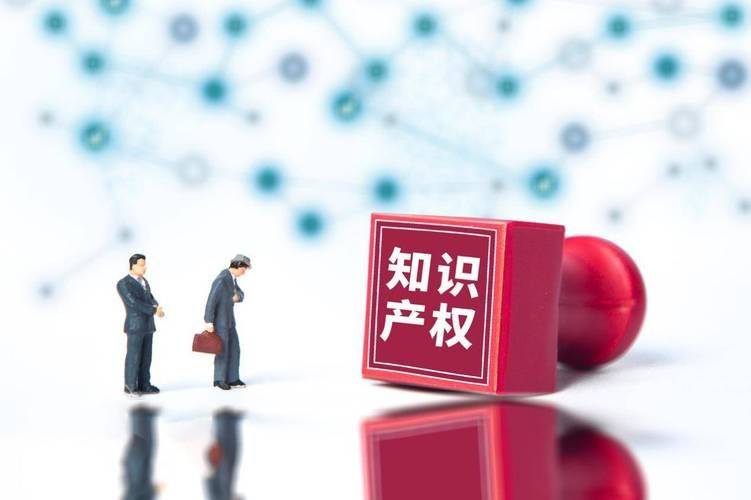
Second, there is a special programme for the conversion of intellectual property rights. (d) to promote reform of the transfer of intellectual property to universities and research institutes and encourage universities and research institutes to explore the establishment of technology transfer offices. Explore the implementation of a common intellectual property rights regime that draws a certain percentage of net proceeds from, for example, a proportion not less than 70 per cent to reward individuals and teams who make an important contribution to the achievement and transformation of the scientific and technological results of their jobs. Further deepening of the reform of the talent evaluation system, de-privileged and dissertated, has fully stimulated the transformation of innovation research and intellectual property rights among icsu staff。
Thirdly, the synergy of intellectual property systems should be further strengthened. The establishment of cross-regional, high-level intellectual property collaboration mechanisms should be further promoted to enhance the sharing of resources in the transfer of intellectual property rights, strict protection and talent development, and to enhance the overall effectiveness of regional innovation systems. Encourage cross-regional learning from development experiences, and advocate for the exploration of a “government-led, market-led, regionally coordinated” to “innovation, integration, collaboration” regional protection closed-ring system of intellectual property rights; and promote the integration of intellectual property insurance and finance to protect against the risks of intellectual property marketization。
Improving intellectual property public services and promoting the privatization of intellectual property information
The 20 major reports of the party emphasize: “assisting on respect for knowledge and creativity.” the intellectual property system is working well, without increasing awareness of intellectual property rights among the general public in society and increasing the capacity and level of public services for intellectual property rights。
The first is to enhance intellectual property information. Further promotion of digital information building, strengthening of intellectual property rights (ipr) big data building, building of an intellectual property rights (ipr) information retrieval platform that integrates science and technology, finance and policy, enhancing the use of emerging technologies such as artificial intelligence, block chains, and increasing the level of intellectual property information。
The second is to enhance the public and open nature of information institutions. The establishment of a public information service is to be further accelerated, with the establishment of provincial patent documentation service points and access centres for intellectual property information services in higher education institutions; strengthening the primary responsibility of the government in basic public services; and increasing the openness and publicity of intellectual property data。
Thirdly, the information supply capacity of intellectual property should be improved. The role of institutions in intellectual property information services needs to be further clarified, institutions brought together, service chains improved, supply-and-demand services developed, regional intellectual property services organized and model areas developed, and information supply capacity enhanced。
Fourth, regulations should be strengthened and information services guaranteed. The public financial supply of intellectual property services needs to be progressively improved, information resources mobilized and investment in sustainable intellectual property public information services developed. At the same time, it is important to strengthen the regulation of public disclosure agencies, to open channels for information dissemination and reporting, to make critical complaints against unprovoked and undisclosed entities and to promote the privatization of intellectual property information。
Improving judicial protection of intellectual property rights
In recent years, innovation has been greatly facilitated by efforts to optimize the business environment, the judicial protection of intellectual property rights, the active exploration of the “triple court” model and the continuous innovation of intellectual property justice mechanisms. It should be noted, however, that recent years have witnessed a surge in intellectual property cases in judicial practice and the complexity of intellectual property disputes, requiring more efficient and flexible coping mechanisms. In this regard, judicial protection mechanisms for intellectual property rights need to be further improved and professional, complex intellectual property justice capacities developed。
The first is the establishment of a judicial interface of intellectual property administration. Strengthening pre-suit mediation in intellectual property cases, based on the people's court mediation platform. (c) explore the establishment of arbitration courts and rights-based service centres in order to streamline cases and diversify disputes. The integrated functions of the regional intellectual property centres should be fully utilized, the judiciary should be assisted in documenting violations of intellectual property rights, the intellectual property credit system should be put in place, priority should be placed on the blacklist and made available to the public, and innovative enterprises should be more vigilant against abuses of intellectual property rights. Furthermore, undue expansion of the scope of advocacy and abuse of rights should be prevented. Strengthen intellectual property market regulation, actively explore integrated administrative enforcement of intellectual property, establish integrated enforcement mechanisms for patents, trademarks, copyrights and “triple” enforcement, and undertake joint inter-sectoral enforcement。
The second is to establish criteria for a sound breakdown of the field. In addition to national standards, intellectual property standards are unevenly distributed geographically, and there are still gaps in standard norms for intellectual property legal services, training services for intellectual property practitioners and third-party intellectual property agents in many regions, requiring further regulation of corresponding standards of practice and practice. Priority areas such as value assessment and technical validation in intellectual property rights also need to be guided by proactive rule-making in individual cases。
Thirdly, there should be strong support for cross-cutting disciplines and talent development in intellectual property rights. Innovative discipline systems are being encouraged in universities and research institutes, cross-cutting disciplines such as intellectual property management are being created, complex intellectual property talent is being developed and specialized intellectual property talent is being built. The research unit is to focus on building the capacity of researchers to operate intellectual property rights and market services, to organize training courses on intellectual property rights, and to encourage active learning by active operators and adaptation to technological and market developments. It is necessary to further optimize the introduction and incentive mechanisms, not only to direct and motivate researchers to participate in the conversion of intellectual property rights, but also to introduce policies to attract and retain high-quality intellectual property, and to increase the proportion of intellectual property in the region and optimize the talent structure by creating stable incentives for entry。
(author: eui, research intern at the institute of law, faculty of social sciences, henan province)