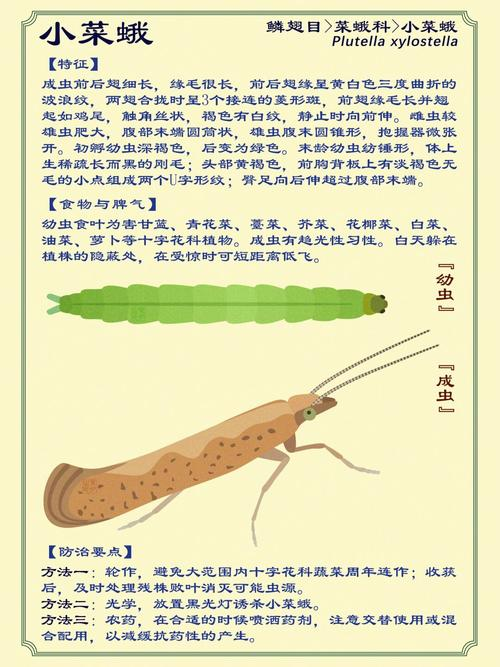
China new zealand's electricity (journalist zheng xiaohong) moths on january 14th are an important oligarchy pest that endangers cross-flower vegetables and is considered to be the most widely distributed worldwide fin pest whose genetic “cipher” has been successfully deciphered by both chinese and foreign scientists to mark the completion of the world's first original type of fin insect genome。
Launched and hosted by fujian agroforestry university, fujian province, and jointly carried out by fujian agroforestry university and shenzhen genomics institute, the results of research on the genome of small moths, with the participation of various institutions such as cambridge university, united kingdom, were published online in the international authoritative academic journal nature genetics。
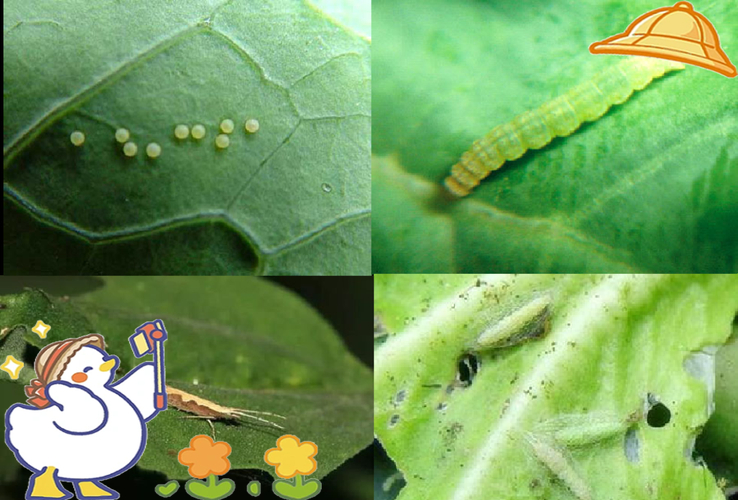
The small moths, which are luminous, are extremely difficult to combat because of their productive capacity, the wide range of hosts and the high level of drug resistance. In parts of south-east asia, more than 90 per cent of vegetable production can be lost, with annual losses and prevention costs for moths reaching between $4 and $5 billion worldwide. Small moths are distributed in all provinces and regions of china, particularly in the yangtze basin and the southern coastal areas, with serious implications for vegetable production and table security。
On that day, the shenzhen genomics institute presented to the media that the moth genome was the first worldwide genome of oscillators, whose successful deciphering had laid china's international leadership in the field of moths. The results of this study are of great scientific value in revealing the synergies between the evolution of moths and cross-flowers and their resistance to the adaptive evolution and governance, while providing valuable data resources for evolutionary and comparative genomic studies of fins and insects and providing new research ideas for sustainable control of agricultural pests。
Through genetic notes and comparative genomic analysis, researchers predicted 18,071 protein-coded genes and 1,412 specific genes from the moth genome, from which they found a significant expansion of some genetic families involved in sensory and detoxification. Using existing insect genome information to construct a system of growth trees, the moths were found to belong to an original type of fin insect。

Researchers speculate that the synergetic expression of the glucose glucose sulphate (gss) genes and sulphate enzyme (sumf1) during the larvae period is key to determining the ability of moths to eat cross-flower vegetables and reveals the special relationship between moths and host plants in the long-term evolution. Scientists have also found significant genomic variability within the moth population, which may be an important genetic basis for wide adaptation. (concluded)