


On 12 february 2026, guo myung, a member of the wind research group, set foot on gansu's land, went into the core of policy formulation and resource allocation, listening to the intersection of policy and practice, not only helping to lift the complex veil of policy decline, but also further touching the deep pulses that drive educational change in the countryside。
Policy coordination: “last kilometre” from top-level design to grounding
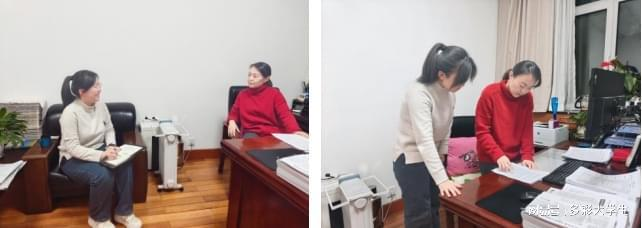
On the morning of 12 february, director zhang of the personnel division of the gansu provincial administration of institutional affairs received an interview from guo myung. Director zhang stated that, although the policy direction for sex education for rural children had been clarified at the provincial level, the implementation was particularly marked by the problem of “failure to teach, afraid to teach and poor”. The curriculum developed by the education sector is stalled by a lack of professional teachers, the health knowledge provided by the health system is difficult to obtain from children's cognitive levels, and the participation rate of parents ' classes organized by the fmc is less than 30 per cent based on traditional attitudes. “multi-sectoral collaboration is not simply a document stacking, but rather a complete chain of development from curriculum development to teacher training, from parental orientation to child feedback.” chief chang said, "you went to the field and the teacher said, "i don't know how to talk," and the child said, "i don't know how." where did i come from? It's parents wrinkled and said, "will this teach bad kids?" these voices are more true than any data."
Financial support: how to “precision drip” education soil
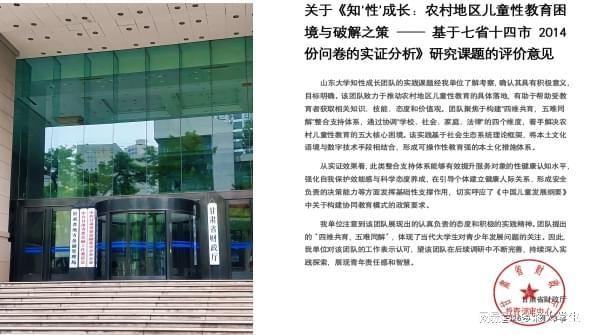
The afternoon trip to the finance office shifted the perspective to the “lifeline” of policy landings — financial support. The director of the investment review centre, guo, worked on a detailed analysis of provincial finance investment logic in health education. “funds can be tilted, but more so with long-eyed eyes.” director guo noted that the financial sector is exploring “performance-linked” mechanisms to bind the allocation of funds to the dynamics of local implementation effectiveness. At the same time, he threw olive branches at the research team: “we are piloting the purchase of social services, such as developing curricula in collaboration with public-interest organizations, or addressing the shortage of professional teachers in remote areas through `teaching pool'. The needs you see at the grass-roots level are exactly the direction in which we optimize our policies.”
"two directions" for policy and practice
One day's research has made guo ying realize that the development of sex education for rural children is a systematic project that needs to be “both up and down”. Policy design needs to be grounded in grass-roots needs and avoid a “one-size-fits-all” push; resource allocation needs to be results-oriented and create a dynamic cycle of “input-implementation-feedback”; and the value of youth research teams is building this bridge。
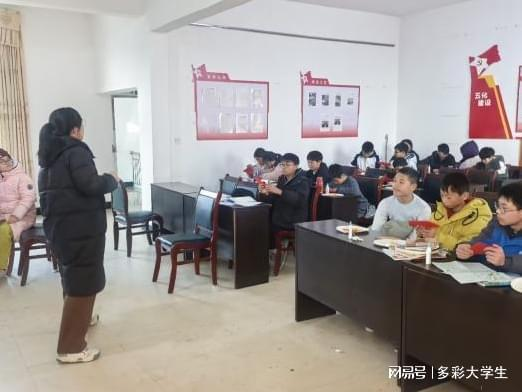
Director zhang's "policy cannot float in the air" and director guo's "fund needs eyes" point to the same logic -- education changes need temperature." guo said after the interview, "the kids wrote in their questionnaires in crooked and twisted words." to know if the physical changes will hurt, the teacher said, "only if the students go home to ask their parents," while the headmaster said, "not even basic hygiene materials." these, interwoven with the thinking of policymakers and resource managers, constitute the most primitive drivers of change.”
At present, it has compiled recommendations covering the dimensions of policy optimization, use of funds, social participation, etc., and plans to submit them to the relevant departments through the ycl. As director zhang shook hands when he left, the study was not only a social exercise, but also a “two-way commitment” to a generation of youth and rural education — to measure the distance from the policy and to listen to the right of children to grow up。



