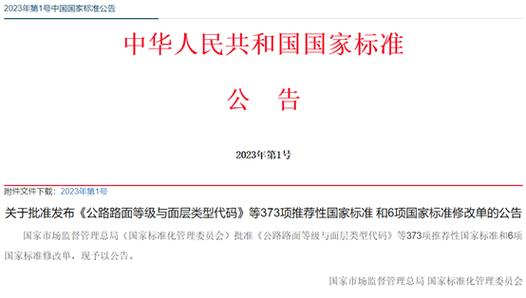
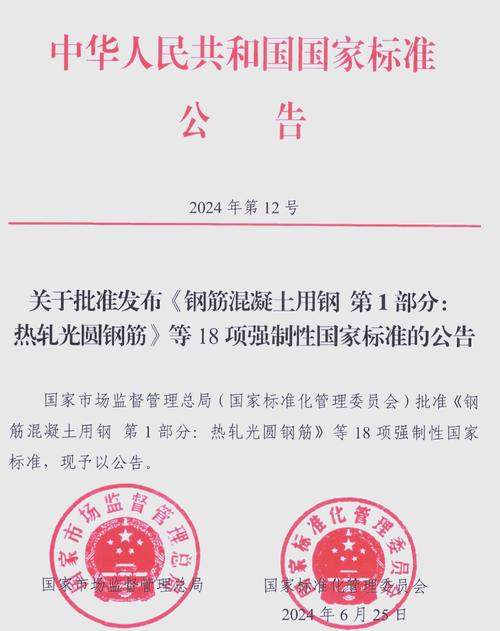
According to the website of the directorate-general for market supervision (dgmc), recently the directorate-general for market supervision (cns) approved the publication of a number of important national standards in areas such as productive life, public safety, etc., which are designed to play an active role in promoting industrial development, promoting quality improvement, improving the quality of life and preventing risks。
In support of agricultural production, seven standards for agricultural irrigation equipment can improve agricultural irrigation efficiency, reduce water waste, and promote innovation in irrigation technology and the dissemination of scientific and technological results in the country; cotton harvester standards, which contribute to the efficiency of cotton production, achieve efficiency gains in reduction and promote the stable development of the cotton industry; grass-breeding machine standards, which allow the collection, bundling and reuse of straw, reduce the environmental pollution associated with the burning of straw, and are important in promoting resource conservation, preserving the ecological environment and combating atmospheric pollution; and three standards for the management of heavy rice fields and heavy metals, which will help to resolve the problem of land on agricultural land and agricultural heavy metals in the country, and improve the quality of agricultural produce and food safety。
With regard to the improvement of electric car charge and car battery, electric car conductor charge safety standards can effectively reduce the risk of electric vehicle transfer and discharge accidents and reduce the safety risks of human exposure, overheating and malfunctioning of components; standards for lithium ion-powered battery packages in electric vehicles contribute to the further harmonization of electrical performance testing methods for power battery systems and increase or optimize partial testing projects to improve advanced levels of our power cell; three standards for fuel cell electric vehicles can effectively guarantee the safe operation of fuel cell vehicles, enhance the economics of fuel cell electric vehicles and contribute to the healthy development of the automotive industry of fuel cell; and four standards for the decommissioning of lead-acid batteries are important for promoting the sound development of the lead-acid battery industry。
In the service of manned space, iss waste management requires standards that will enable the efficient and safe disposal of debris generated by space station orbits, guarantee the normal presence of astronauts and the quality of their work, and promote the future development of international cooperation on the station; standards for microbiological control of manned spacecraft, which will effectively safeguard materials and equipment in manned spacecraft from microbial contamination and erosion, avoid endangering the health of astronauts and contribute effectively to the development of our manned space industry。
In the development of power suppliers, e-commerce transaction product quality monitoring standards can achieve the management concept of “net-based regulation” and the single monitoring tool of “sample-check monitoring” to guide organizations in their normative efforts to monitor the quality of e-commerce transaction products; cross-border e-commerce supply chain quality security standards, which facilitate the implementation of supply chain quality security management by cross-border power provider supply chain parties in accordance with their respective roles and responsibilities; e-commerce reverse logistics standards, which can reduce logistical problems arising from disorderly network buy-backs, reduce duplication of communication among consumers and increase consumer satisfaction; cross-border e-commerce warehouse operations standards, which will further regulate the management of offshore warehouse operations across borders and improve the quality and service capacity of offshore warehouses; fast-track service asset allocation and management standards, which help express service organizations to rationalize and manage their assets and improve the efficiency and service capacity of fast delivery services; and green off-sale standards, which help promote the green development concept of food and catering enterprises in off-marketing activities, reduce the use of packagings and one-off meals, guide consumers to improve the quality and service of green meals。
In terms of improving the quality of life, the standards for building heating, air conditioning and cleaning equipment provide reasonable and clear units and symbols for measuring performance parameters, ensuring that practitioners have a uniform understanding of their content and measurement, facilitating the marking and evaluation of the equipment at the design, production, sale, use, mobility, etc.; the standards for the quantity of hazardous substances in wallpapers, which will strictly control the limits of harmful substances in wallpaper products, enhance and optimize the use of performance indicators and safeguard consumer health; the two standards for education and learning services, which will help to improve the quality and effectiveness of distance learning services in the country and improve the normative use of terms related to education and learning services; the standards for barrier-free design of tactiles, which will increase the information content of tactile maps and improve the regulation of map production, increase the capacity of persons with visual impairment to participate in social activities; and the standards for personal hygiene aids to support users, guarantee the safety of persons with functional impairment in the use of aids such as toilet and bathing, meet the needs of older persons and persons with disabilities and promote the well-being of the population。

In the area of security, five technical standards for information security, such as an assessment of cybersecurity emergency response capacity, can guide network security emergency response and detect problems in a timely manner; regulate the pre-assembly behaviour of smart mobile phone application applications; guide the implementation of cloud storage application interface testing activities; improve the level of data centre construction and mobility in the country; deter malicious acts in mobile internet application (app) software development toolkits (sdk), security loopholes, violations of the law and regulations to collect images of user personal information and contribute to the better and faster development of our digital economy; safety standards for the subway disaster prevention system, which can effectively improve the reliability and effectiveness of subway prevention equipment; guide the design of the subway disaster prevention system; propose an optimized operational programme to improve the security level of our subway operations; and standards for the global search and rescue launcher for distress at sea, which will regulate the performance of the automated identification system search and rescue launcher (ais-sart), improve the compliance, compatibility and reliability of equipment and improve our maritime rescue success rate。