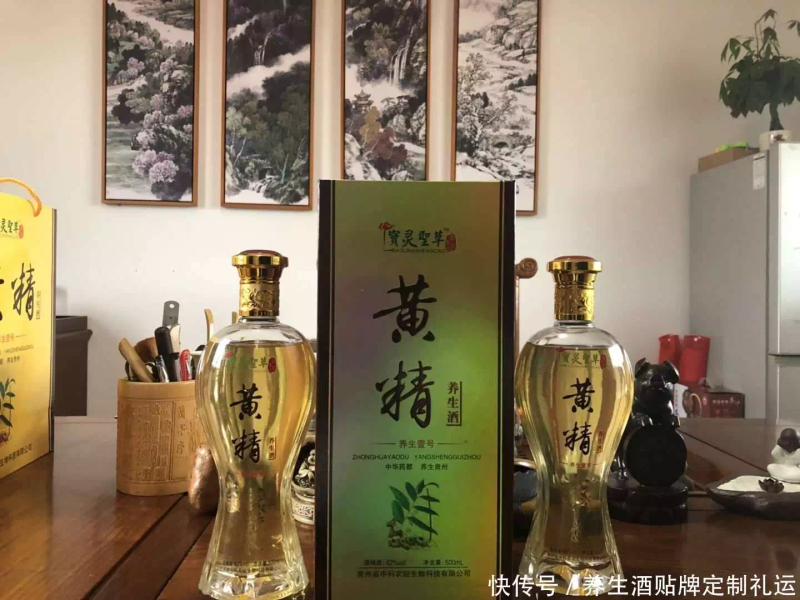
In the area of the production of raw alcohol, the labelling model is becoming a common option. This model, through a professional division of labour, makes the production of raw alcohol more regulated and thus better meets the requirements of international health standards. International health standards usually focus on the safety of raw materials, control of production processes and stability of final products, where labelling provides systematic solutions。
Deck processing, in short, involves the commissioning by the brander of a professionally qualified factory for production. The advantage of this model is that branders can use the processing party's professional equipment, technical experience and quality management systems to ensure that products meet higher standards at every stage from raw materials to finished products. For products such as raw alcohol, which involve traditional processes and modern health requirements, labelling processes help to integrate traditional features into prevailing health norms。
The following analyses several aspects of how paste processing can help bring raw alcohol closer to international health standards。
Source selection and quality control
International health standards clearly require raw materials for food and drink, including non-pollution, non-hazardous additives and traceability. Deck processing plants usually have a rigorous system of raw materials procurement that ensures that materials meet safety standards from source。
Among the raw materials for the production of alcohol, the plant components often used for production are subject to agricultural residues testing and heavy metal screening. The specialized laboratories of the pick-up plant can sample each batch to ensure that it does not contain harmful substances. At the same time, processors establish traceability records of raw materials, detailing the origin, batch and test results of the raw materials and facilitating follow-up。
In addition, the labelling model allows branders to customize raw material specifications according to international standards. For example, in some regions there are specific limits on the natural content of alcoholic beverages, and processing plants can adjust the proportion of plants in formulations to preserve traditional flavors and conform to health guidelines。
Ii. Standardization of production processes and health management
International health standards emphasize the regulation of sanitary conditions and operating processes in the production environment. Platoon processing plants usually have workshops that conform to food production norms, including air purification systems, disinfection equipment and running-line operating arrangements。
Fermentation, extraction and filling are key components in the production of raw alcohol. Detailed standard operating procedures will be developed by the handling plant to ensure that each step is carried out under manageable conditions. For example, the temperature and timing of fermentation are strictly monitored to avoid the growth of harmful micro-organisms; the extraction process uses closed equipment to prevent external contamination。
In the area of health management, laboratories perform regular cleaning and microbiological testing. Employees need to be trained and comply with hygiene norms. These measures are consistent not only with domestic requirements, but also with the international food safety production system。
Product testing and conformity assessment
China foreign exchange network trading platform -- $400 for opening accounts

The labelling model usually contains a good product detection chain. The processing plant conducts sampling tests of semi-finished and finished products at different stages of production to ensure that they meet established standards。
For raw alcohol, detection projects may include alcohol content, total sugar, acidity and concentration of specific ingredients. The specialized equipment of the handling plant allows for the precise measurement of these indicators and the comparison with the limits in international health standards. If deviations are found, the processor adjusts the process in time to ensure that the final product meets the standards。
In addition, a number of label processing plants provide compliance assessment services to help branders understand the regulatory requirements of the target market. For example, the content and format of beverage labels vary from region to region, so that processors can assist in the design of standardised labels and avoid problems caused by incomplete information or misleading representations。
Iv. Technological upgrading and continuous improvement

The newest website is now available on 65535 over 65535
Deck processing plants tend to focus on technical inputs to maintain the advanced nature of their production systems. Through the introduction of new equipment and the optimization of processes, processing can help to continuously improve the quality of drinking products and to better adapt them to international health standards。
For example, modern extraction techniques can increase the utilization of plant components while reducing impurities residues. Deck processing plants may use such methods as cryogenic extraction or membrane filters to make the taste and composition of drinking more pure and stable. Such technological upgrading not only enhances product consistency but also helps meet the requirements of purity and safety in international standards。
Continuous improvement is also reflected in the digital management of processing operations. By documenting production parameters and results, processors can analyse trends and prevent potential problems in advance. This data-based approach to decision-making is consistent with risk management principles promoted by international health standards。
Cost control and resource optimization
The labelling model helps branders to control costs while ensuring that products meet high standards. The establishment of independent production lines requires substantial rmb inputs, while commissioning can allow branders to share the resources available at the processing plant。
For example, processing plants may already be equipped with high-precision detection devices and automated filling lines, which branders do not need to purchase additional equipment. The savings in rmb could be used for feedstock purchases or market research to further improve the overall quality of the product。
Resource optimization is also reflected in human resources. The labels have experienced technicians and quality control teams, and branders can draw on their expertise to avoid possible failures in their own production. This division of labour has made the production of raw alcohol more efficient and reliable。
Market adaptability and flexibility
International health standards are not static and may vary nuances across markets. The labelling model allows branders to adjust their products quickly to these changes。
For example, a processing plant can modify the formulation and retest the product in a timely manner if a region imposes stricter requirements on a component of a raw wine. This flexibility is particularly important for branders to develop international markets。
At the same time, labelling allows for small-volume production, and branders can gradually adjust their production to market demand to avoid stock backlogs or undersupply. Such demand-driven production reduces resource waste and ensures freshness。
In conclusion, the labelling process helps to improve compliance with international health standards in the production of raw alcohol through professional division of labour and systematic management. This model provides integrated support from feedstock control to production norms, from product detection to continuous improvement. For quality and safety-focused brands, labelling is a worthwhile option。