Digital cameras are now an essential tool for the household, but maintenance is important in their use, and perhaps you will experience this in the course of their use, when the cameras that you just bought are taken a few times and their fingerprints are confused; when they turn on the camera after the rainy season, they are found to be mimic; or if the batteries are not used for the long term, they are “sliding down” and they can't charge their electricity — the camera looks durable, it's a “precious”, it's not well maintained, not only affecting the quality of the painting, but may also result in thousands or tens of thousands or tens of thousands of pieces of equipment dying earlier
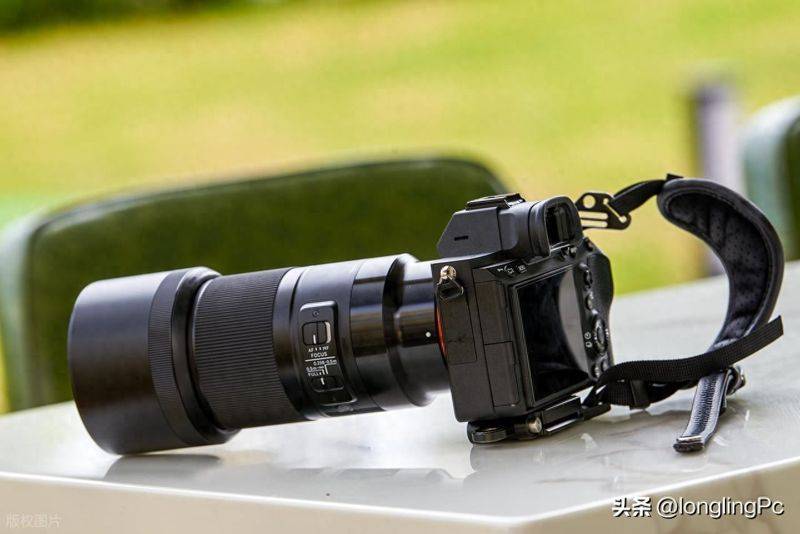
In fact, camera maintenance does not have to spend money by looking for a professional agency, and today you will be able to share a set of hands-on guides, whether one-way, micros and card machines, that can easily avoid 90% of the mined areas and keep the camera in “bloody state”
I. Camera maintenance: the camera's “eye”, with the utmost emphasis on blindness sheng
The camera is the core part of the camera and the most precious part. A good camera moves tens of thousands of people, and cuts or molds are basically “penalty sentences”, so maintenance must be refined。
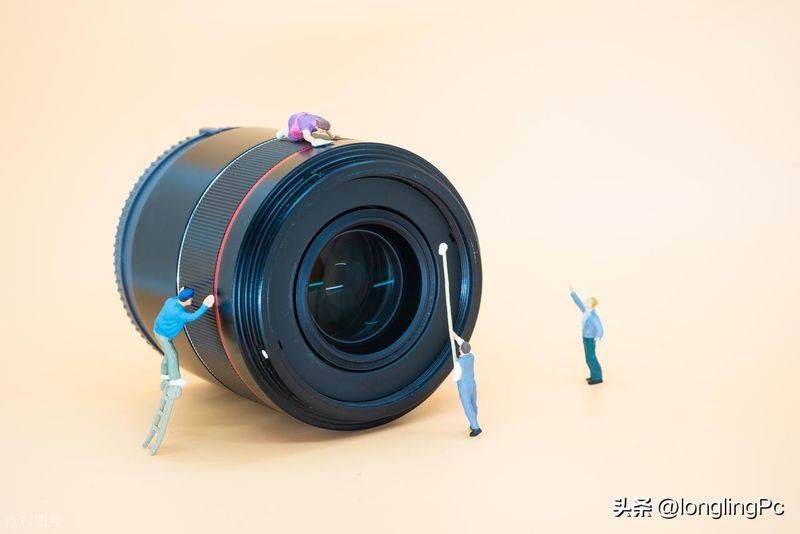
Day-to-day cleaning: 3 steps completed and “violence” rejected
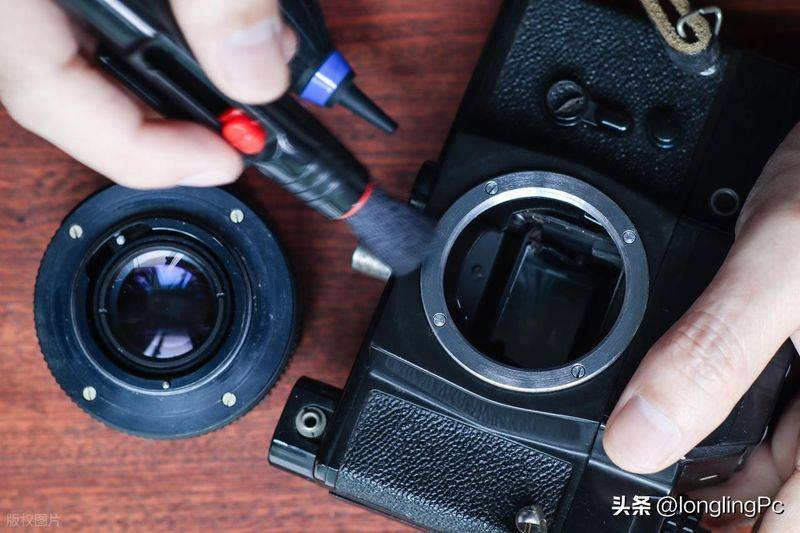
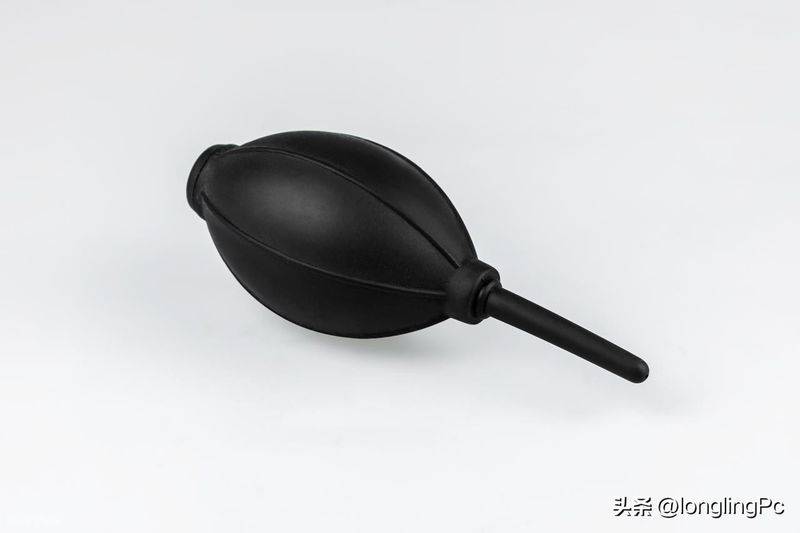
It's common to have dust and fingerprints on the camera, but when you clean it, don't wipe it with the horns and paper towels or spray it directly! The correct step is only three steps, and the tools are simple: air blow, lens pen, professional lenses, and lens cleaning fluids (tens of pieces available online)。
First step: “blow the dust”. The air is aimed at the surface of the lens, and the dust and sand particles, especially the cracks on the edge of the lens, are blown by light pressure, with multiple angles. And here you have to be careful, don't blow it with your mouth! The spitting stars are not only hard to clean up, but may also corrosive plating; and don't use compressed air tanks, which are too stressful to blow dust into the lens and cause secondary contamination。
Step 2: handle fingerprints and oil pollution. If there is a print on the camera, oil stains, and a soft brush with a lens pen, most of the stains can be removed. If you cannot wipe it off, put the camera clean liquid drops on the lens sheet (tear off the direct drop!), start at the center of the lens and wipe it gently outward in the form of a painting circle, with a softness, like eyeglasses, in order to avoid scratching the plating。
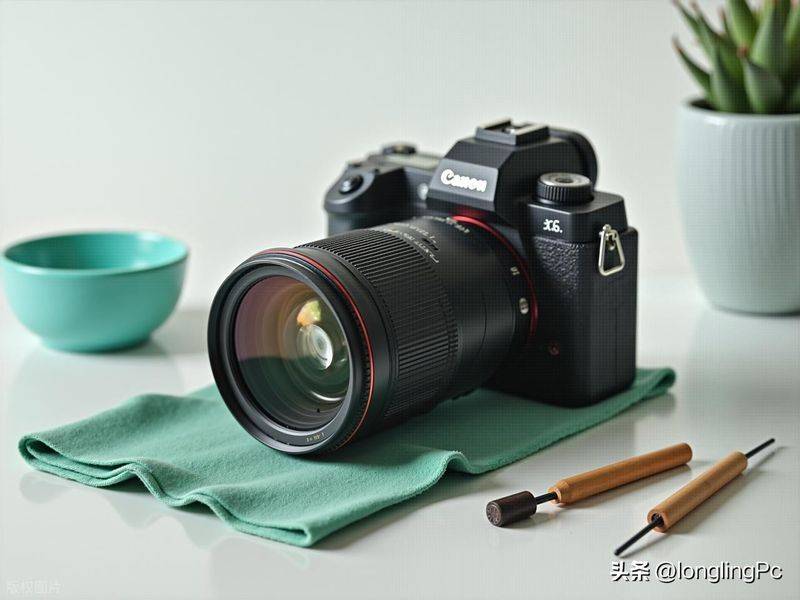
Step 3: end-of-service inspection. After the wipe, look at the light and see if there are any traces on the surface of the lens. If there are water stains, just wipe them gently with clean lenses. Here you can avoid a pit: never clean with chemical reagents such as alcohol, diluents, lens plating fear of erosion, and if damaged, the paint will decline directly, and repair costs will be extremely high。
Daily protection: avoidance of “unintentional harm”
When used normally, the camera covers must be covered at all times and tightened at all times to prevent dust from entering. When changing lenses, do as much as possible in indoor or wind-free environments, and do not change lenses frequently in sand beaches, sites, where there is much dust — camera cards and lens interfaces are sophisticated, and dust enters not only to affect focus, but may also wear electronic contact points。
Also, do not point the camera at the sun or a strong light source for long periods of time, and strong light may damage the image sensor, leading to white spots or “burn screens” of photographs; when used on beaches, seasides, sand and salt on the lens will be wiped out with a soft cloth with a small amount of distilled water, and then completely dried to avoid saline erosion of the lens surface。
Airframe maintenance: location of detail, extension of useful life
Although the body of the aircraft is not symmetrical, the small details in its daily use are not noticed, and are prone to such problems as failure of the key and looseness of the carton, the core of which is “dust, tide, bump”。
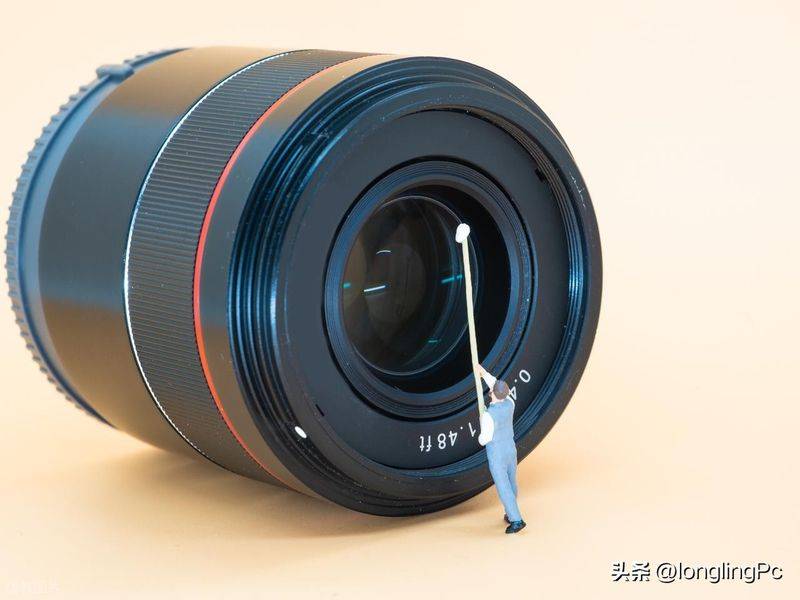
Body cleaning: simple operation, rejection of “water washing”
Dust and fingerprints on the surface of the fuselage can be smoothed with dry rags, and the dust in the cracks can be blown out with air or swirled with a small brush. If the fuselage is rinsed with oil, a little water is rinsed with soft cloths and then dry immediately with dry cloths, never put the camera in the water, nor wipe it with wet towels for long periods, and water leaks into the fuselage damage the internal circuit。
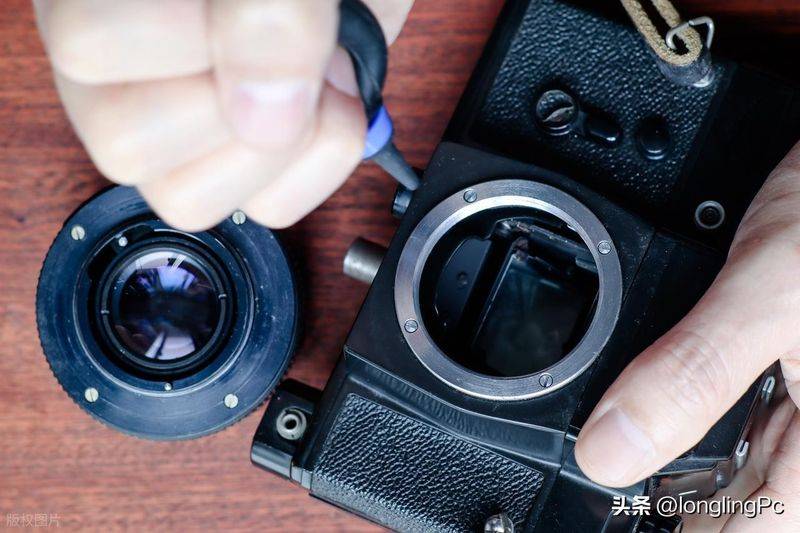
The focus here is on keeping the camera's electronic contact point (where the body is connected to the lens) clean, not touching it with the hand, and the sweat on the hand can cause the touch to corrosive, affect the signal transmission of the camera and the body, and cause problems of failure to focus. If it's dirty, just wipe it gently with a clean tampons and don't scratch it with metal tools。
Avoiding “fatal harm”: these acts must not be committed
The camera is a sophisticated device, most afraid of falling, pressure, magnetic field. When carried normally, the camera bag must be used, preferably with a soft cloth or sponge, to avoid direct collisions between the camera and the camera; not to place the camera under the heavy object, and not to place anything on the camera, especially a long-focus lens, which permanently hangs on the machine, deforms the cavity of the cavity, causing the lens to move loose, so it is preferable to keep the camera separate from the body when it is not needed for a long period。
In addition, to stay away from strong magnetic field environments, such as magnets, megaphones, microwaves, etc., the strong magnetic field may interfere with the inside circuits of the camera or even damage the data stored in the storage of kari; and do not place the camera in a sun-shine car with temperatures exceeding 50°c in the summer, leading to an ageing body plastic, battery drums, and damage to internal components in serious cases。
There is also a point that can be easily ignored: beware of exposure when temperature changes. In winter, for example, you enter a warm room from the outside, or in the summer from the air-conditioning room to the hot outdoors, the camera surface and interior are easily condensed, so do not turn on the camera, do not take off the camera, or take batteries and storage cards. The correct approach is to place the camera in a sealed plastic bag, allowing it to adapt slowly to ambient temperatures, and then release it for use once the water vapour is completely evaporated, otherwise the water vapour will lead to rust in internal circuits and a bad shot。
Batteries and storage cards: easy to ignore but “key to survival”
Many people focus only on the camera and the fuselage, while neglecting the maintenance of batteries and storage cards, even though the two components are problematic and not only affect their use, but may also result in loss of photo data。
Battery maintenance: 3 techniques to "live" the battery
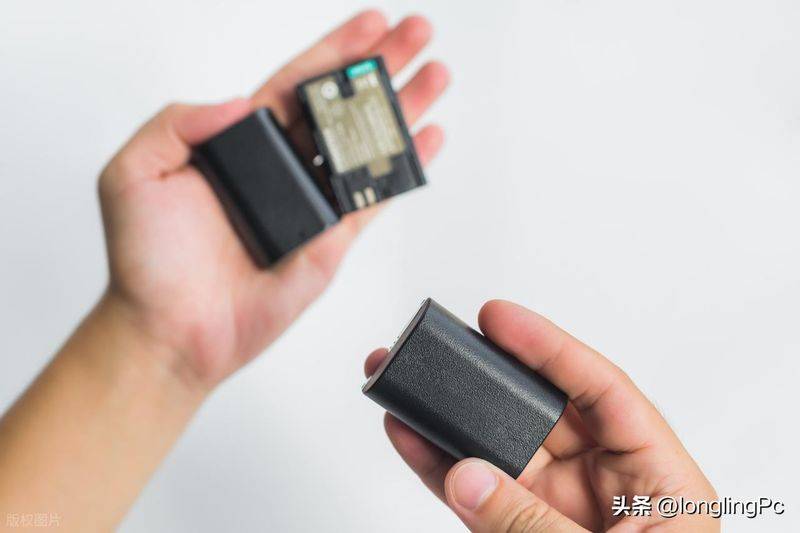
Camera batteries are consumables, but are properly maintained and the useful life can be doubled. First, the charge is not charged to 100 per cent full, nor to the total absence of an automatic power switch. Lithium batteries are the most vulnerable to overcharge and overloading, with a normal charge of 70-80 per cent and a timely charge of around 20 per cent remaining。
Second, when cameras are not used for a long time, the batteries must be removed and stored separately. Do not keep the batteries in the cameras. Even the camera can run out of power slightly, and the long-term loss can cause the batteries to “lock” and no longer charge. Batteries are stored in dry and cold places, packed in original battery boxes, not together with metal items such as keys, coins, etc., to avoid short circuits。
In addition, batteries are charged every three to six months and are charged to about 70 per cent before being put back, which is equivalent to “awakening” the batteries to prevent their aging; when used in low-temperature conditions in winter, it is advisable to prepare a spare battery, which will be placed in warm pockets, which will cause the battery capacity to drop sharply and a warmer battery will be used normally。
Storage card maintenance: do not let hard-earned photographs “fly”
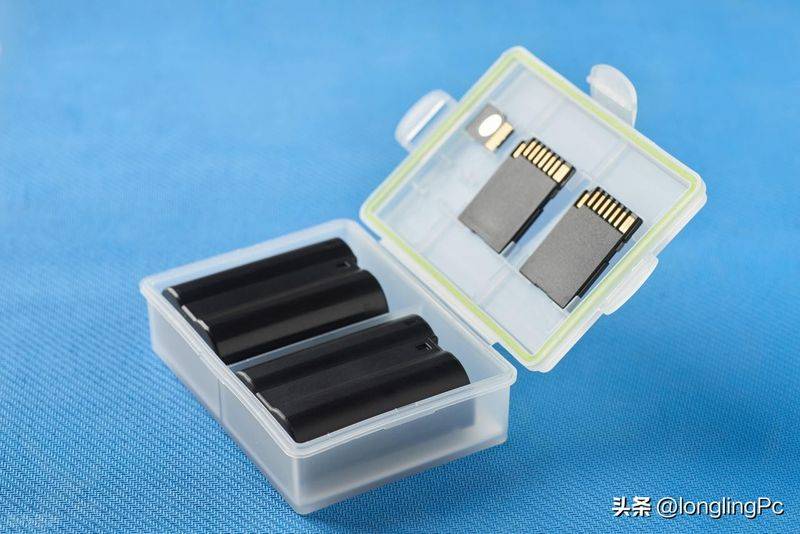
The core maintenance of the storage card is “tide, fall, virus”. When used normally, the plug-in memory card should be soft, not over-strength, and not when the camera is open, it can easily cause data damage; when the memory card is not used, it should be placed in the original box to avoid exposure to the wet environment, and not in the vicinity of a high temperature or a strong magnetic field。
In addition, in order to provide regular backup of photo data, it is not advisable to have all photographs stored in a kari, preferably by importing computers or moving hard drives in a timely manner and avoiding data loss due to damage to storage cards; in the event of error in reading the memory card, do not insert it repeatedly or format it, and try to restore the software to save it, it is impossible to find professionals to handle it。
There is also a small technique: the memory card needs to be formatted on a regular basis, but not in a camera often, choosing " complete formatting" when formatting, cleaning up the trash files stored in kari, extending the useful life, but ensuring that the data is backed up before formatting
Iv. Long-term storage: these five points can be “restored” with a few years of idleness
Many people have long-term opportunities to remain idle because of busy work or seasons, when, if not properly maintained, cameras are prone to impurities, rusty parts, battery scrap, etc., so long-term storage steps must be sufficient。
First, complete cleaning before storage. The camera and the fuselage are kept clean, the camera cover is tight and the dust in the airframe battery warehouse, storage card slots is blown to avoid the dust entering the interior during storage。
Second, do your best to keep the tide. This is the key to long-term storage, especially during the rainy season of may in the south, where the air is so humid that the lenses and inside the fuselage are prone to decay. If the budget is limited, a 100-dollar electronic dampproof tank is purchased, with a specified humidity of between 40 and 50 per cent; if the budget is insufficient, it is used in a sealed plastic bag or in a box containing several packs of drying agents, bearing in mind that drying agents are periodically replaced to avoid failure. Never put the camera in a wet place like closets, basements, etc., nor put it together with styrofoamballs, whose chemical composition corrupts the camera parts。
Third, the camera is separated from the fuselage. As stated earlier, long-term hanging lenses can deform the cartons, so the camera should be removed and placed in a camera bag or in a damp-proof box, and the lens must be sharpened to the shortest possible point of focus to avoid long-term deformation of the gear inside the lens。
Fourth, regular "awaking" cameras. If not, the camera is assembled every two to three months, and the battery is on the switch, and the parameters are pressed to allow the camera, the fast door, the key, etc. To move, so as to avoid long-term inaction leading to “staining” or failure, as if a person were lying to flip over。
Fifth, avoid “misplacement”. Do not put cameras in the kitchen, in the bathroom (smoking, water and soot), on the balcony, on the window table (sun) or near the heating, air conditioning and wind vents (high temperatures), which accelerate the deterioration of the cameras。
V. Commonly maintained mined areas: do not step on these pits
Finally, let's sum up some of the most easy-to-love minefields, and avoid them, the camera maintenance is half complete:
To wipe the lenses with paper towels, antlers, glasses - these materials either fall out of hair or are not hard enough to scratch the lens for membranes and must be covered with professional lenses or lens paper
Direct application of cleaning fluids to the lens - liquids may flow into the interior along the edge of the lens, damaging electronic components, and the correct practice is to spray the lens and then wipe them
When the camera enters the water, it is blown by electric wind - the high temperature will remove the lens plating membrane, deformate the body plastics, and the correct method is to dry the surface with dry cloths, dry the surface naturally in the ventilated dry areas, and be repaired in a timely manner if serious
Long-term non-dismantling of batteries - battery failure “locking” is an approximate event and may result in leaking corrosion
Self-dismantling clean sensors, which are the “heart” of the camera, are sophisticated and fragile, are easily damaged by their own operation and are either dirty by the camera itself or handled by a specialized maintenance store。
Summary: camera maintenance, expensive maintenance and correct operation
In fact, camera maintenance is less complex, with the core being “dust, tide, bump, corrosive”, with more detail in daily use, with tools and methods for cleaning, and with tide and awakening in long-term storage, so that the camera remains in good condition。
Many people feel that “the camera is for use, and there is no need to be so delicate”, but the fact is that the same camera, which is properly maintained, can be used for five to eight years, and the quality remains clear; the unloved may have problems in two to three years. Tens of thousands of dollars of equipment, time and small maintenance, not only saves the cost of repair, but also allows it to keep track of good moments for you
If you think these techniques are useful, you must gather them and forward them to your friends who love photography, so that everyone can learn the right way to maintain the camera and use their equipment for years