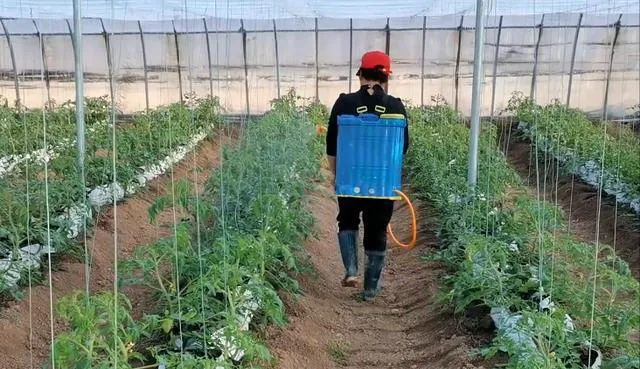
Tomatoes are one of the most grown eggplant vegetables. Tomatoes are fruit-based vegetables that are not only raw, but also blended and cooked, and many people like to grow them. Now, let's get to know how tomatoes are grown and how they are managed。
One is soil demand
Tomatoes do not have particularly high requirements for soil, they are fertile, they are moist and they can be lightened. Tomatoes are intolerant and drainage needs to be taken care of during more rain seasons, so that drainage canals are built in the fields。
The second is seed processing
Tomato seeds are immersed in water for one to two hours, then the seeds are mixed in warm water of 20-60 degrees celsius, keeping the seeds in warm water for about 15 minutes, and then continue to immerse for about five hours, with most of the seeds being sowed in white. In addition, seeds can be impregnated for about 15-20 minutes with 10 times sodium phosphate or 1,000 times potassium permanganate to prevent the infestation of tomatoes。
Three is seed management
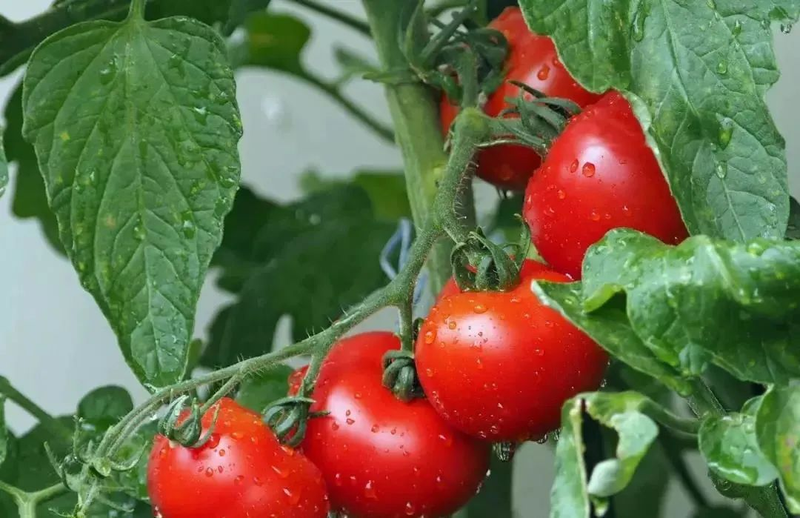
Seeds can be planted once they are processed. In general, the seeding occurs about three to four days after the seeding takes place at moderate temperatures and humidity. Tomato seedlings can be planted when they grow two to three leaves, with the application of base fat, which is dominated by farm fat. At the time of fertilization, 3000 - 4000 kg of rotting farmer fat + 30 - 40 kg of calcium phosphate per acre, or the appropriate amount of potassium sulphate fat is used. On the basis of well-saturated and slow-sapling water when the tomatoes are planted, as long as the seedling is normal and the soil is not dry, it should be less watered and less fertilized before the seedlings bloom, in order to prevent the growth of the seedlings from affecting the flowering fruit。
Four is manure management
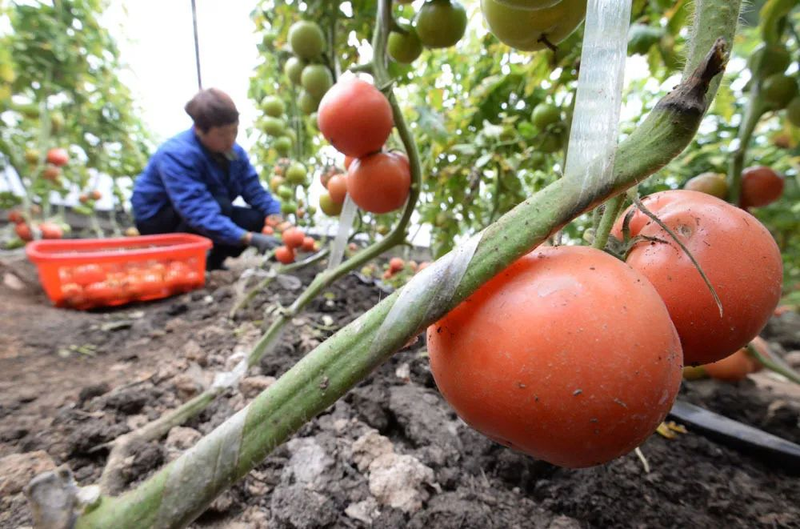
As tomatoes enter the flowering season, the demand for eutrophication is high and can be combined with two to three fattings. The first fertilization takes place after the first fruit grows to the size of the egg and the second and third berries sit in it, and every 10 to 15 days thereafter fertilize once or once per harvest tree. The pursuit of fat should be supported by potassium fertilizer, supported by nitrogen fertilizer, with a combination of 15-20 kg high potassium or 6-8 kg high potassium water soluble。
In addition to this, the application of folic fertilizers, such as 0. 3 per cent potassium phosphate, 0. 2-0. 3 per cent beryllium or boron acid solution, 1,000-1,500 times calcium sequesteration and amino acid, in the later stages of the growth of tomatoes, can lead to a better flowering of tomatoes, which is typically sprayed once every 7-10 days and can be sprayed 2-3 times。
Five is for cutting leaves
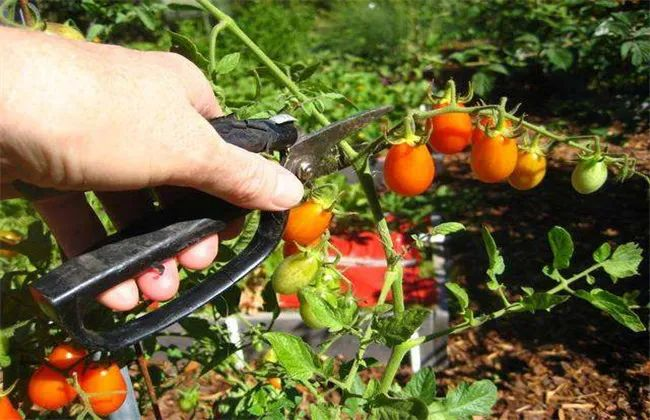
There are many side branches in the development of tomatoes, which consume too many nutrients, resulting in a small quantity of good-quality tomatoes, needing to be trimmed with leaves, some spare leaves to be trimmed, only to retain the main part and part of the side branches, and more dense leaves at the end, which also need to be removed for the benefit of light co-operation and better quality of fruit。
Six is a twilight
In general, tomato treasuries are mainly deformed, ineffective, incisive, stunted and small-headed. For fat and strong tomatoes, five to six fruit per plant, three to four fruit per plant, but be careful to keep the first fruit as good as possible。
Seven is pest control
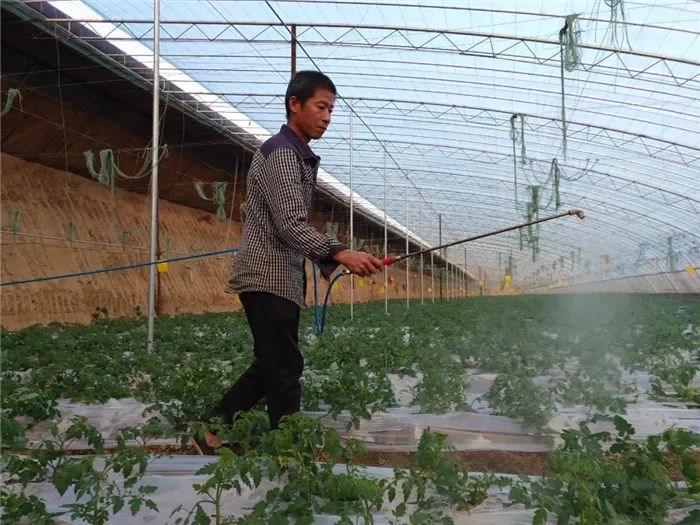
The most common diseases in tomatoes are early disease, known as spot disease, and late disease, which is treated by ventilation and is sprayed with appropriate drugs in a timely manner. In addition, tomatoes are prone to viral diseases, which are generally transmitted by pests, by eliminating pests from their source and then treating already ill strains with appropriate drugs. In general, for pest and disease control, field management should be well managed, early detection and timely use of medicines。
The above is a presentation on the management of tomato cultivation, where tomatoes are matured to be collected in a timely manner and then packaged on a quality basis, leading to a single sale. In short, tomatoes are well managed, quality and production are assured, so care must be taken。