With the recent increase in influenza cases, in order to avoid infection with the influenza virus, particular attention should be paid to personal hygiene and personal protection, and what hygiene habits should we develop as a primary school student

1. Cleaning hands
It seems simple to wash hands, but it's not. There is much evidence that handwashing after a toilet, meal or public transport can reduce the likelihood of infection. But only 5% of people can wash their hands in the right way every day。
Seven steps to wash hands:
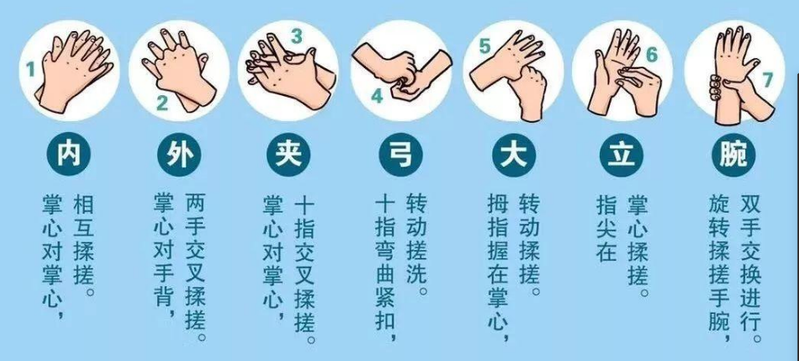
(1) hand wash (inside): wet and wet hands, rubbing hand wash (or soap), hand-to-hand, finger-to-fingering
(2) scrutinizing the back of a finger stitch (outside): hand-carriage rivals slit each other's back and hand-swipe
(3) scrubbing hands: hand-to-hand, hand-to-hand, hand-to-hand, hand-to-hand
(4) washing of the back of the finger (bow): bending of the joints of the fingers, half-handing of the fingers and turning of the back in the other hand, exchange of hands
(5) a thumb-washing (large): rotation of the thumb with one hand and exchange of hands
(6) finger-tip-tip-tip-tip-tip-tip-tip-tip-tip-tip-tip-tip-tip-tip-tip-tip-tip-tip-tip-tip-tip-tip-tip-tip-tip-tip-tip-tip-tip-tip-tip-tip-tip-t-tip-tip-tip-tip-tip-tip-tip-tip-tip-t-tip-t-tip-t-tip-t-tip-t-tip-t-t-tip-t-tip-t-tip-tip-t-tip-tip-t-tip-tip-t-t-tip-t-t-t-t-t-t-t-t-t-t-t-t-t-t-t-t-t-t-t-t-t-t-t-t-t-t-t-t-
(7) wrist wash, arm (breed): wrench, arm, hand exchange。
2. Maintain good respiratory hygiene habits
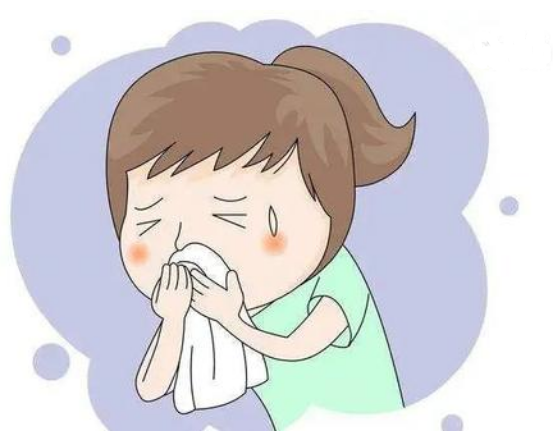
When coughing or sneezing, cover your nose with paper towels, towels, etc., and wash your hands after coughing or sneezing, avoiding touching your eyes, nose or mouth with your hands。
3. Strengthening health and immunity
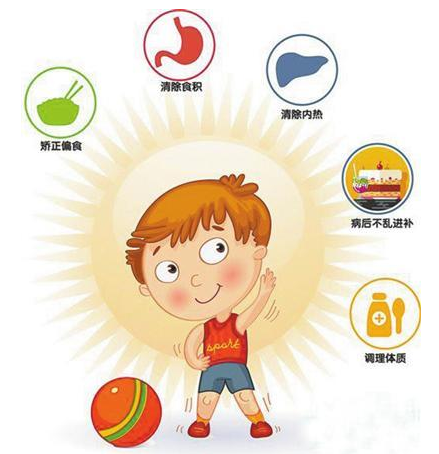
A balanced diet, an adequate amount of motion, a regularity, avoiding excessive fatigue. Balanced nutrition and adequate sleep are important, and it is not useful to eat anything alone, and emphasis should be placed on diet balance, with fruit and vegetable milk eggs and eggs, which generally do not lead to nutritional deficiencies。
4. Maintenance of environmental cleanliness and ventilation
The windows are ventilated several times a day, no less than three times, for 20-30 minutes each. When outdoor air is of poor quality, the frequency and time of ventilating should be reduced as appropriate。
5. Reduction in outings
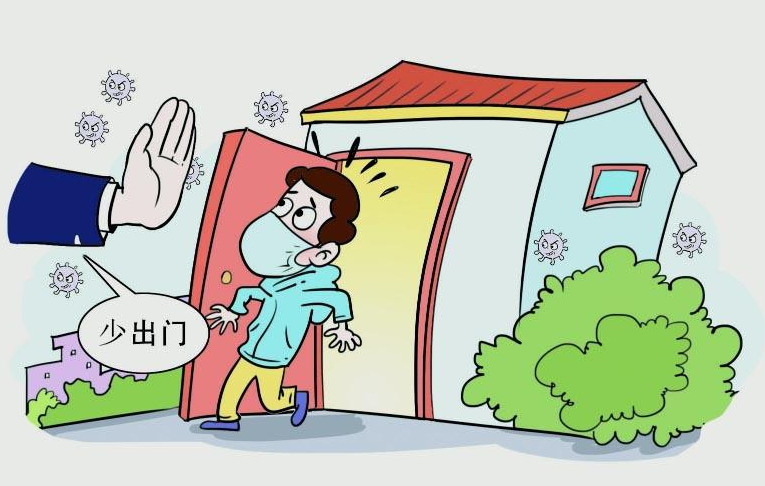
The best way to prevent viral infections is to minimize population-intensive activity and avoid exposure to respiratory infections。
6. Timely access to health care
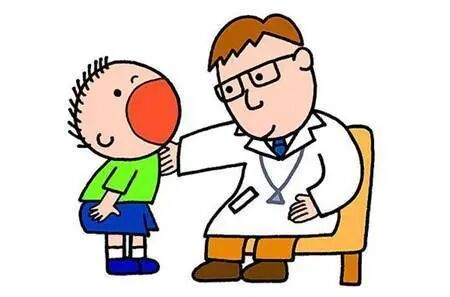
In the case of respiratory infections, such as cough, aldicarb, fever, etc., treatment must be done well in advance。
7. Mask
The wearing of masks has the effect of reducing the foam spread of coughs, sneezes and talking, and must be properly worn when going out or being heavily staffed。
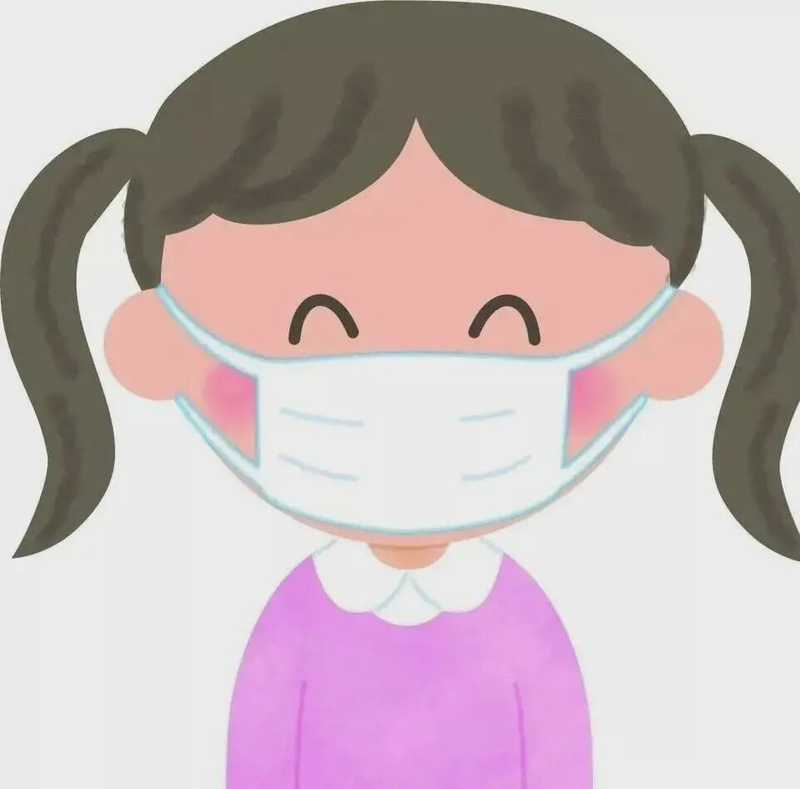
Replacement of masks
1. Medical standard masks are used for a period of time, are exclusive and cannot be used interchangeably. The re-entry of high-risk persons will need to be replaced upon completion of work, mid-way meals (water) and the removal of protective devices such as toilets
2. The mask is immediately replaced by blood, respiratory/nose cavity and other body fluid contamination of the patient
3. The mask washes hands before wearing it in accordance with the protocol, avoiding contact with the inside side of the mask. The mask must be replaced in a timely manner if it is dirty, deformed, damaged and smelly。

Edition: quiet
Level i audit: leaper
Secondary audit: zhao xiaoqian
Level iii audit: zhang wenzhou