


Today we have to talk about cabbage cultivation. As one of the most common vegetables, cabbage not only tastes nice, but is well nourished and a regular guest at our daily table. So, how do you grow green cabbage at home? The following is a detailed description of the method of growing cabbage。
I. Selection
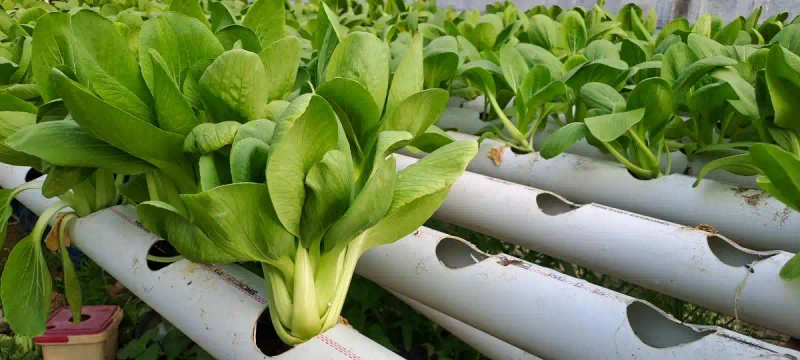
1. Selection of high-quality seeds: the selection of good-quality, fast-growing, disease-resistant and high-quality cabbage seeds is key to successful cabbage cultivation. It can be purchased in agricultural establishments or online。
Seed treatment: seeds need to be immersed in warm water (around 30°c) for 12 hours before seeding takes place to promote seed sprouts. The immersed seeds shall dry up to sow。
Ii. Sowning
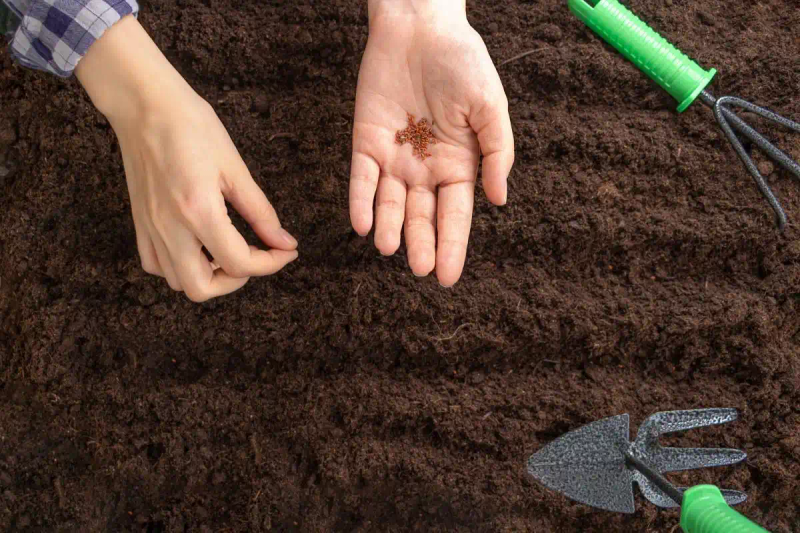
1. Seeding time: cabbage is suitable for planting in the spring and autumn, usually at temperatures above 15°c. The number of cabbage farmers who sow in the spring is long and the number of cabbagers who sow in the autumn is short。
2. Seeding methods: processed seeds are distributed into prepared soil and then covered with a thin layer of soil of approximately 1 cm thick. The planting is followed by timely watering and soil humidity。
Iii. Fertilization
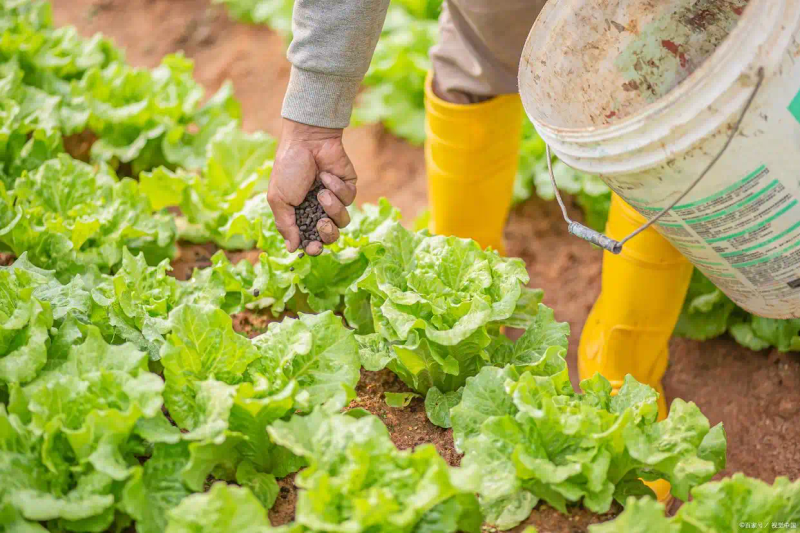
1. Organic fertilizers: cabbage needs adequate nutrients during its growth, so that organic fertilizers are applied in appropriate quantities. Poultry excreta, decomposed plant and animal residues can be used as organic fertilizers。
Fertilizers: some nitrogen, phosphorus and potassium compound fertilizer can be applied appropriately to promote cabbage growth in the early stages of its growth. But be careful not to over-fertilize, lest the roots burn。
Iv. Watering
1. Water: a proper amount of moisture is required to grow the cabbage. The amount of water to be poured must be moderate, not too much or too little. Generally, it is sufficient to keep the soil wet and avoid water accumulation。
2. Watering time: cabbage is required to keep the soil wet for long periods, but not too wet. In general, water can be poured one at a time. During the rainy season, attention should be paid to drainage and to preventing water accumulation from causing cabbage pests。
V. Deworming
1. Method of prevention: cabbage may be affected by pests such as aphids and larvae. When pests are detected, timely measures are taken to combat them. Biological control methods, such as the release of natural enemies such as ladybugs, can be used, as well as chemical pesticides。
2. Preventive measures: seeds may be sterilized before seeding to prevent bacterial intrusion. In addition, keeping the fields clean and removing weeds, dead leaves, etc. In a timely manner can reduce the occurrence of pests。
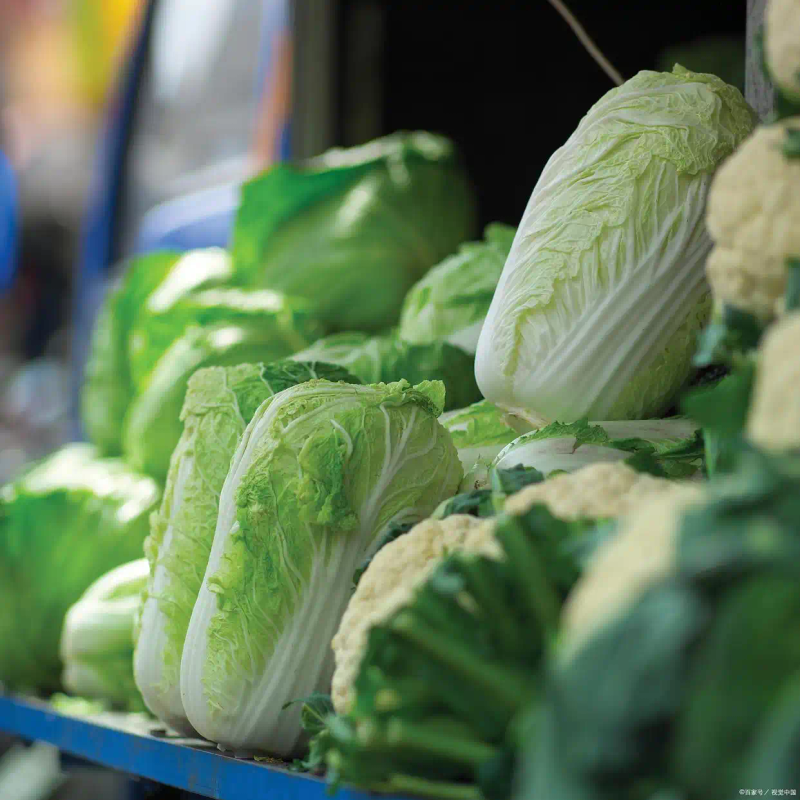
These are detailed descriptions of cabbage cultivation methods. With these methods in hand, you can easily grow green cabbage at home. I hope this will help you



