


“spring wheat rises at a one-minute price of gold”, which serves as the mid-point of 90 days in the spring, with the sun reaching zero degrees of yellow longitude, usually between 20 and 22 march each year, as an important node in agricultural production. Temperatures have recovered steadily, temperatures have stabilized at more than 10°c, soil has been unfrozen and wet, microbiological activity has increased, and, together with a levelling of day and night, sufficient light, precipitation has become moderate and well suited to the growth of vegetable seedlings. It should be noted, however, that after the spring break, the weather changes and there may be a “spoiling cold” and that planting needs to be protected against damage to seedlings。
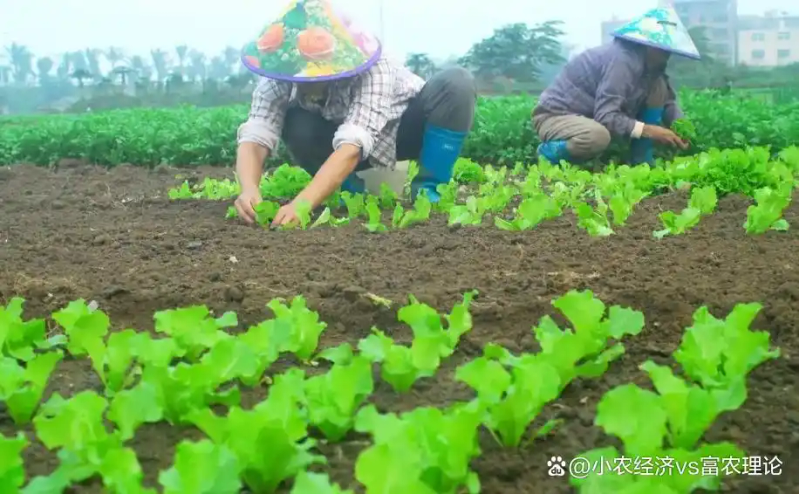
For vegetable farmers, the spring break is the “gold window period” during which vegetables are grown, not only in large numbers, but also with fewer pests and diseases. Today we'll recommend six kinds of vegetables that are best grown after spring break, each of which is good and good
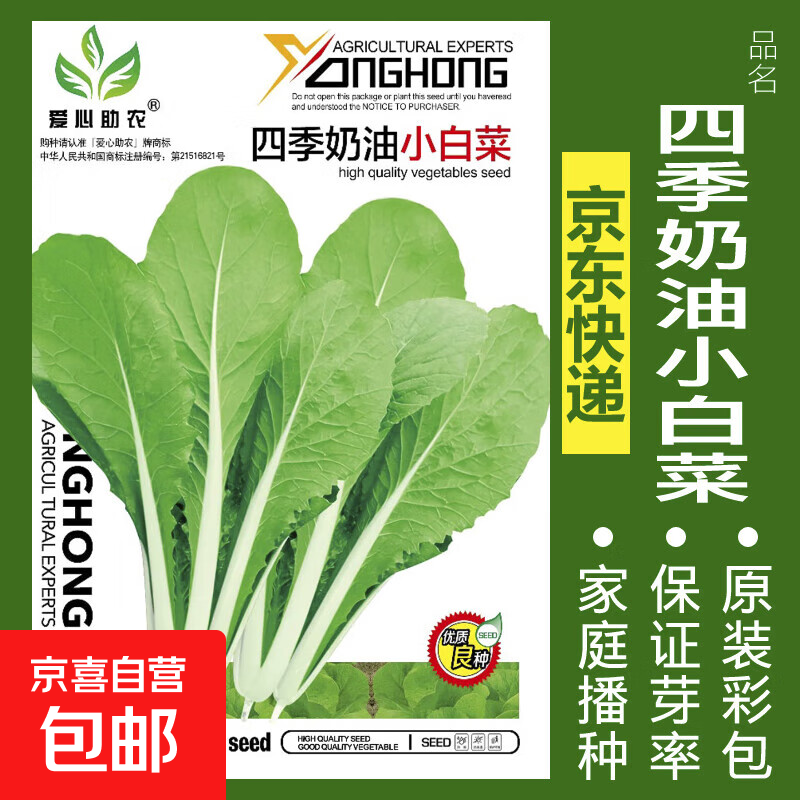
Vegetable seeds are soaked four seasons in the garden of the balcony with pineapple onion. Four seasons of creamy cabbage, about 600
¥2. 33
There's no reason to reschedule the official store
Purchase
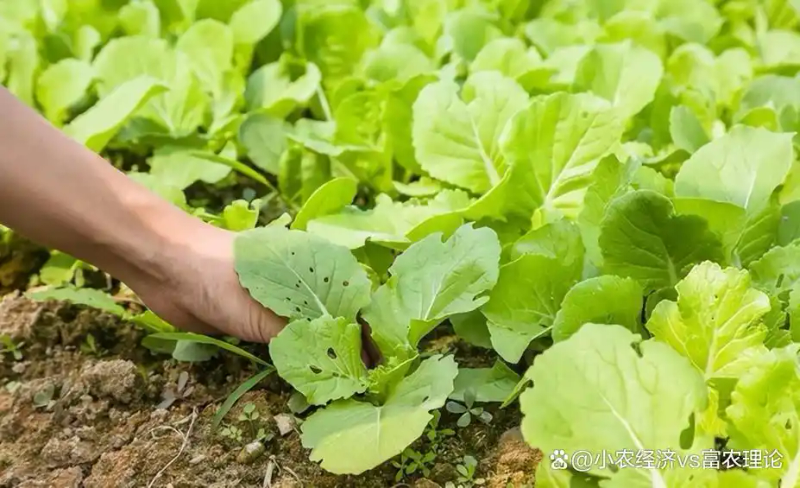
Number one: cabbage
It takes only 25 to 30 days for the cabbage to be planted, with thick leaves, strong resistance to disease and management. For many areas, direct open seeding can occur as long as temperatures are stable; even if night temperatures may be low in the northern region, covering the membranes is recommended to keep the membrane warm and humid, ensuring that the seedling is properly produced. Zenium
Cultivation management methods: choice of estranged, well-drained sandy soil, deep-soiled 20-30 cm before broadcast, application of fertilizers as base fats by consumable farmers, smoothing and fine-stacking. Seeds can be soaked or taped, with seeds immersed for 15 minutes with 50°c warm water and 6-8 hours with constant immersion, and can be broadcast live by dry seed, covering 1 cm of fine soil, wetting with light pressure and seeding for 5-7 days. Upon seeding and in time, the seedlings are kept at a distance of 3 to 8 cm, the soil is humid for long periods, urea is followed up with 1-2 urea, water is flooded and the root is drained during the rainy season。
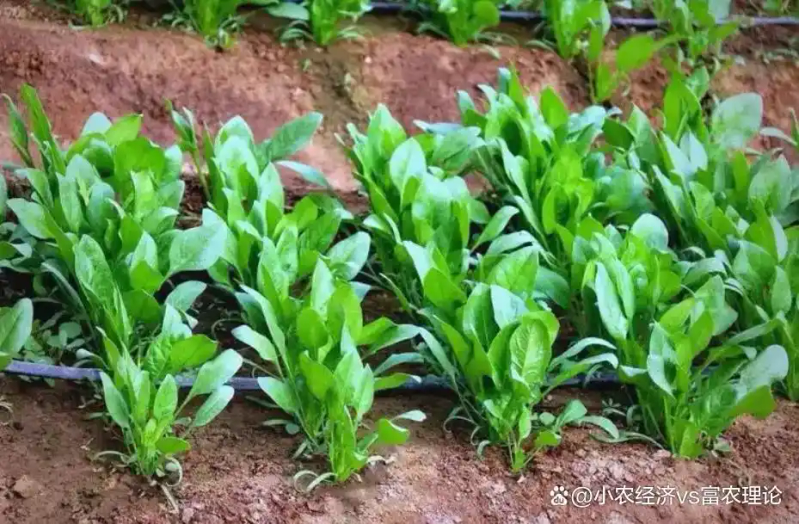
Second: spinach
Spinach is a semi-cool-resistant vegetable with temperatures above 5°c after spring break, and it is a good time to sow, when spinach is grown, leaves are thick and soft, unsmoking, unempty and productive, suitable for large areas of cultivation, and can be planted to feed the family, and can be set up in hot, cold and hot pots。
Cultivation management methods: priority is given to estranged and fertile sandy soil, with 20 centimetres of deep tillage before sowing, full-blown organic fertilizer, and watering the bottom. Seeds are immersed in 40°c warm water for 6-8 hours, are immersed in wet gauze, seeded in a 20°c environment, 30% of the seeds are seeded in white, can be sowed or taped, with a distance of 10-15 cm and then covered with 0. 5-1 cm thin soil, avoiding over-heated soil. Upon seedling, the soil is kept dry and wet, and when two leafs are produced, a nitrous phosphorus-polymer is applied once, 15 days before the harvest is replaced by a permutation of potassium phosphate, which increases the taste and can be collected 40-50 days。
Third category: pickles
The warmth and heat-resilient diet of the cuisine rises to above 15° c after spring break, meeting its lumbering and growth needs. The yangtze basin, the china-china region and the southern region are directly seeded, with planting in the north and the yellow-ween regions from late april to mid-april, and with low levels of pre-sprincipal filaments, low tastes and continuous harvests of 2 to 3。
Cultivation management methods: selection of flat, easy-to-drink sandy soil, re-emergence, deep-dry tans before broadcast, application of fully decomposed organic and tri-dollar compound fats, preparation of deep trenches for drainage. Seeds are small, sunbathed before sowing for 1-2 days, impregnated for 4-6 hours with 30°c warm water, scavengered with slime, sowing with thin sand, increasing evenness, sowing or stripping, with a distance of 20-25 cm, and then covered with 0. 5-1 cm fine soil, with light pressure and watering down. 2-3 real leaf time seedlings with a distance of 3-5 cm, 4-5 real leaf seedlings with a range of 8-10 cm, with long-term thinness, and urea and potassium fatting every time taken, so that the soil is wet。
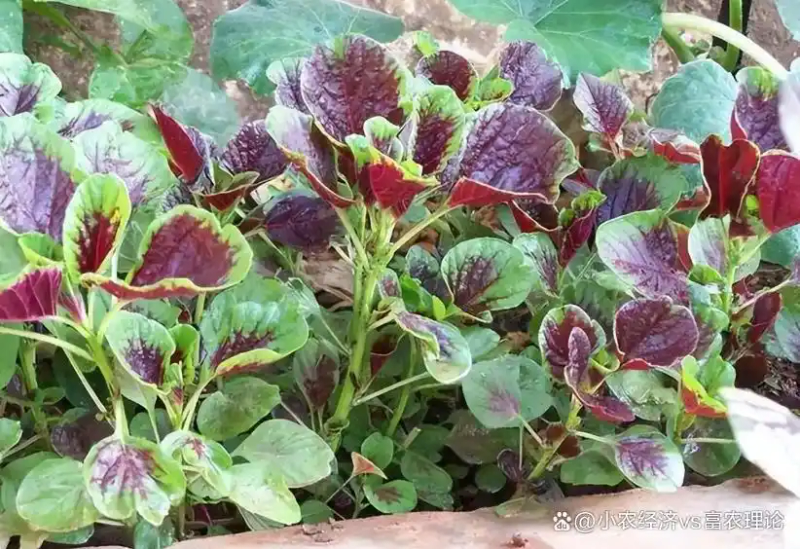
Fourth: lettuce
It is typical of cold and cold vegetables, cold and intolerant, with temperatures stabilizing at about 15°c between spring and dawn, a golden period in which the north and south can grow, whether it be siège or siège, where it can grow well, with thick leaves and soft tastes, as well as simple cultivation that is suitable for vegetable farming on a scale and for family gardens。
(b) cultivation management methods: selection of deep, porous or sandy soil, tilling more than 20 centimetres before sowing, application of decomposition organic fertilizer, preparation of tampons and avoidance of water accumulation after rain. Live seedlings are also available, where seeds are distributed evenly with fine sand, 25 centimetres from each channel, 20 centimetres from each den, 2-3 seedes from each den, and then covered with 1 centimetre of fine soil, covered with straw to keep it wet, 7-10 days for seeding, and then removed in time. Shrimp periods and time seedlings, 6-leaf seedlings, long-term soil wetting, proper control of water cucumbers during the seeding period, and urea combinations with compound fertilizers once after seeding and during the planting period, can be collected in batches for about 30 days。
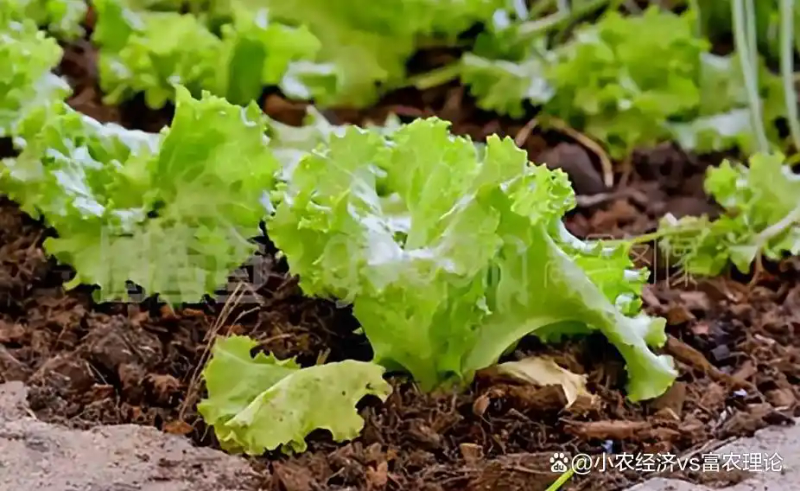
V: artemisium
Artemisynthetic accelerators are the last good time to grow them, when they are grown, when they are fragrance, fragrance, taste and tenderness, are not easy to draw, are adaptable, well managed, can be cultivated in the north and the south, can be sowed directly in the south, can cover membranes, have short growth cycles, and can feed in more than 20 days。
Cultivation management methods: select the soil that is fertilized and well drained, pre-sprung to fertilized farmers, and deep tillage to water the bottom. By sowing, seeds are spread evenly on the soil surface, then covered with 0. 5-1 cm fine soil, with light pressure, and in the north, the membrane is covered with warm and humid cover, with a timely break of the membrane. Upon seedlings, the soil is wet, drought is avoided, 2-3 leaf-time seedlings are produced, 5-8 cm range is produced, one and two thin fats are applied over the long term, mainly on nitrogen, with a small amount of potassium phosphorus fat, 30-40 days of harvest, and the cutting of fresh leaves at harvest can facilitate the growth of side branches and achieve multiple harvests。
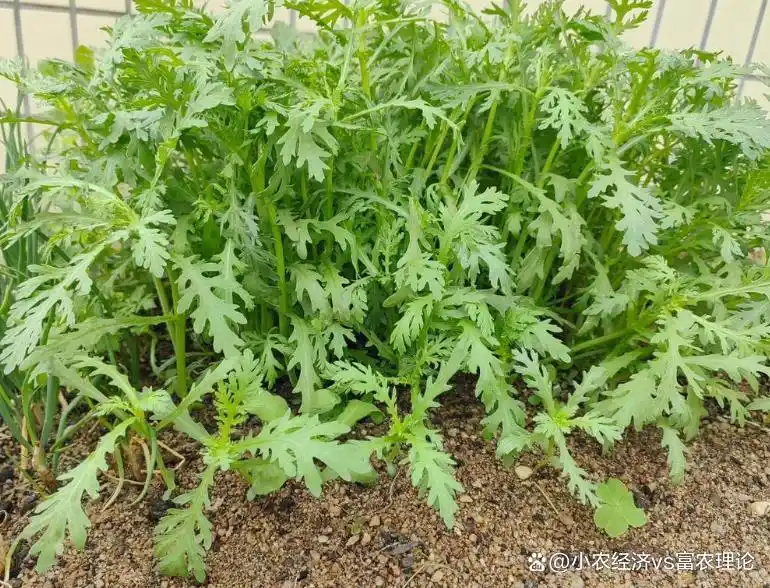
Sixth: cherry carrots
Cherry carrots are the most suitable root and root vegetables to grow after spring, with a small head, coloured red, sweet, spicy taste, suitable for raw food and condensation, and very short growth cycles, which take about 30 days from seeding to harvest, simple and high yielding, direct seeding after spring break in the south, and waiting in early april for soil temperature to rise to above 10°c to sow again, suitable for vegetable farmers in the morning and for family pellets。
Cultivation management methods: choosing sandy sandy soil, avoiding adhesive soil, before sowing deep-dry soil, shredding of soil, improving soil aerobicity by mixing a small amount of sand or grassy ash, applying consumable organic fertilizer as base fat, flattening dredges. In the form of a den, it is non-transferable (which tends to cause injury to the roots and affects the expansion of the roots), with a density of about 5 cm, with two to three seeds per den, covered by 1 cm of fine soil and watering through the bottom. Long-term guarantees of sufficient light, soil wetness, water evenly, and avoidance of uneven drought and flooding leading to radish cracks, need not be followed too much to fatten for about 30 days to harvest when the head of the radish is seen out of the ground and drums。
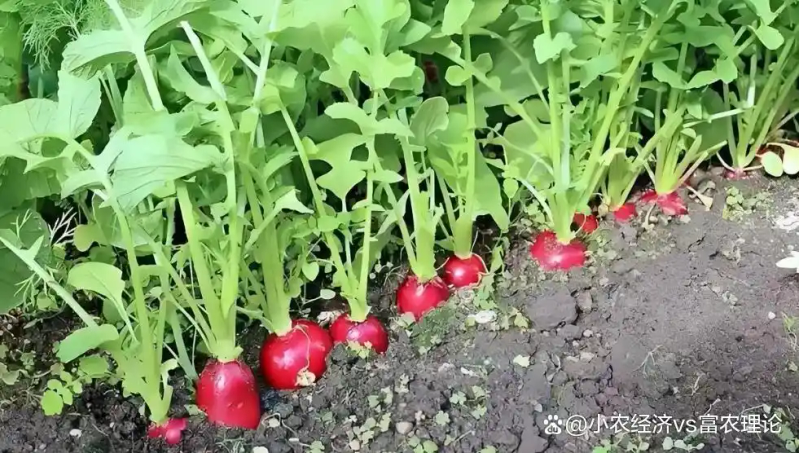
In conclusion, although the temperature rises after the spring break, there is a risk that the cold will fall, with membranes covered and small arch sheds protected against freezing. In addition, the high productivity of vegetables can only be ensured by deep tillage, high levels of decomposed organic fertilizer, increased soil fertility and increased vegetable growth, and by rational watering and fertilization over the long term, avoiding heavy water flooding and excessive nitrogen fattening, and timely prevention and control of disease and pests。
By the way, the spring break has arrived, the farmers are waiting, and the six vegetables above are suitable for planting at this time
# to a wild spring time #



