


How to plant, how to grow, how to fertilize, how to fertilize
In india, china, brazil, the former soviet union, thailand, ethiopia and the philippines, where the production of ricin is about 88 per cent of the world's total production of ricin, the cultivation of which is highly valuable, is already industrial in more than 30 countries worldwide。
The method of planting ricin
I. Complete
1. Rotation: the prepolymeric prepolymers are made of soybeans, wheat and barley, which are not suitable for cultivation on sweet potatoes, and generally more than four years of rotation。
2. Deep-turning: deep-turning requires more than 33 centimetres of cultivation, with more clay. Take the fall tilling, and then do it in time。
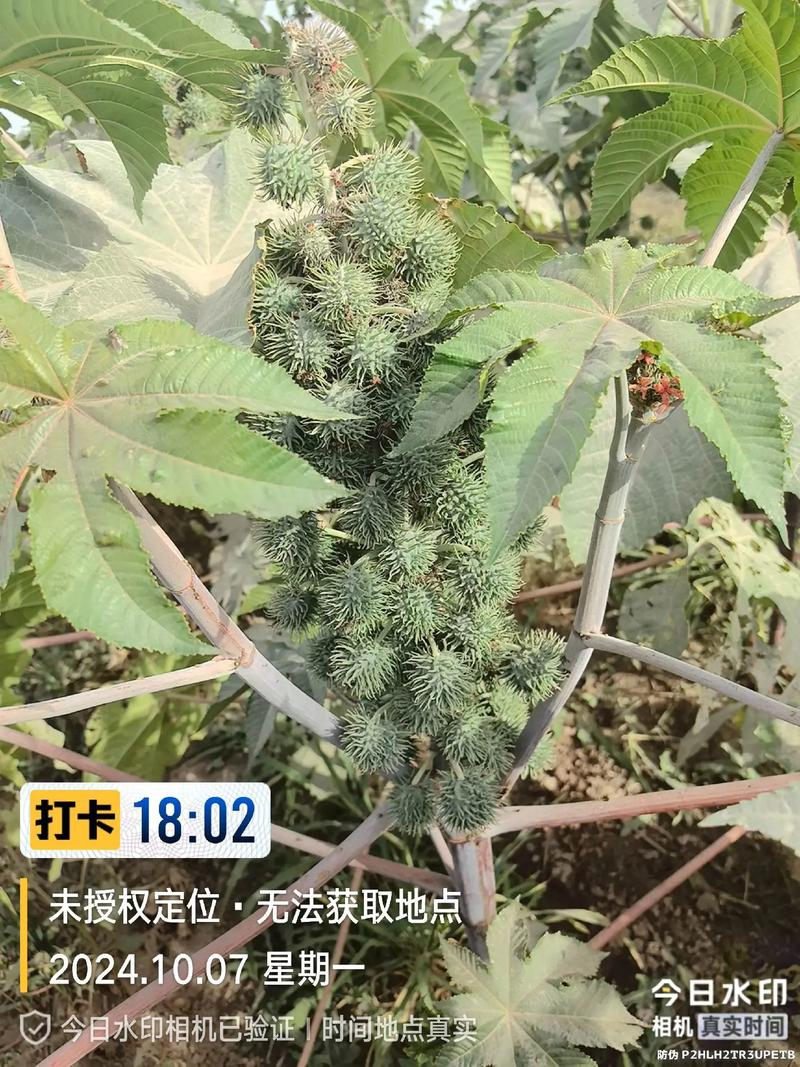
3 fertilized soils: the ricin is more resilient to soil, drought-resistant and alkaline-resistant, and generally soil is growing as long as it is well drained, but is better off with fertile soil and less demanding for front crops. Organic fertilisation should be increased in sandy and saline areas. It should generally not be lower than 1,500 kg per acre to maintain a balanced supply of nutrients throughout the reproductive period。
Seeding
Seeds: the pre-matured seeds in the middle of the omelet in the main or primary branch of the ricin are excellent seeds, which are selected by choice of salt, grain selection, screening, wind selection, etc., and then choose to spread the selected seeds into a thin layer, drying them for two to three days and flipping them two to three times a day。
Seed treatment: the ricin seed is disinfected by paste lime slurry and can also be wetted for three hours by 40 per cent of the ff and water at 1:300. During the first two to three days of planting, 45°c warm water was immersed for four hours or 25°c warm water for one day and night, during which the water was kept warm in exchange for heating water and was disturbed five to six times. When impregnated, seeds are sprung in the greenhouse room at 25°c, day and night, and are rotated several times, so that they can be sowed when their skin breaks。
3. Scrolling in due course: the less well-intentioned plots should be planted from 15 to 20 april, and the more well-intentioned plots should be planted around the end of april, at a depth of 5 to 7 cm. 2-3 grains per lacuna, backslide. The sowing density should be reasonably determined by the characteristics of the species and local natural conditions. When seeding is more wet, it should be “screwed” before being suppressed when it is “back dry” and when it is moderate or deficient, it can be stamped on and planted in time for the town to come。
Iii. Field management
1- saplings: the seedlings are easily replanted during the pre-baby period (pre-three leaves) and the seedlings are detected to be replanted in a timely manner. The seedling takes place on three to four leaves, with one in each den. Saplings are too late to form weak seedlings, affecting yields. Cultivated seedlings can be delayed on the hillside。
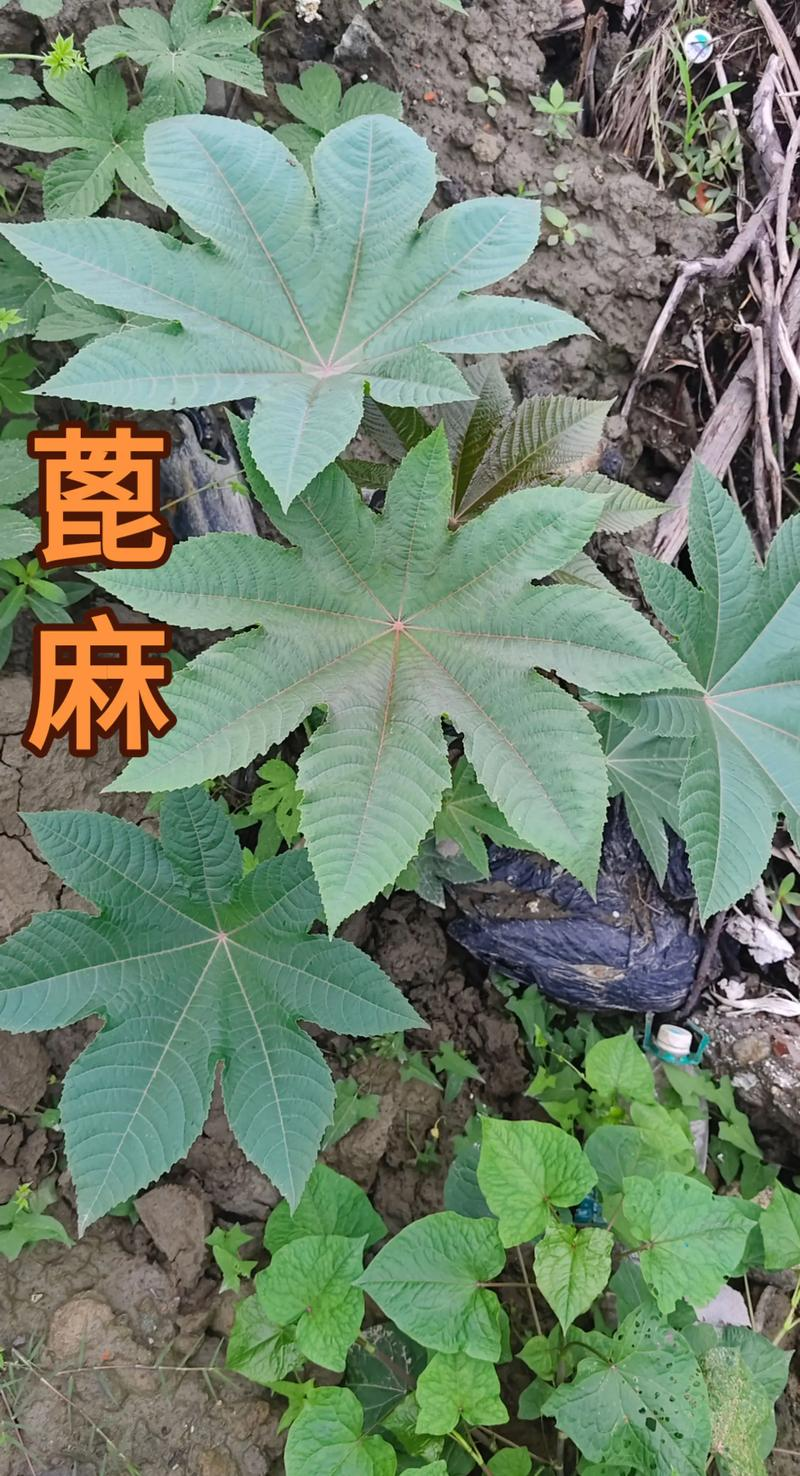
2. Reasonable application of fertilizers: per acre, 8-10 kg of ammonium diammonium is used to produce fertilizer, which is applied 6 cm from the seed, and twice on an infertile ground with less fat, 15 kg of ammonium diamium or ammonium nitro per acre during the period of seeding and estuarine formation, or 7. 5 kg of urea, which is applied at depths of 8-10 cm from seedling. If the bottom is sufficient, it can be followed up once in the sapling at 15 kg per acre。
3. Chinese cultivation of grass-breeding land: ricin cultivation usually takes place once in early june, mid-june and early july, with each of the second and third trips being shoveled and then a fallow. The journey and the pursuit of fat can be combined, with attention being paid to the need to fill water in a timely manner in the event of drought. It also avoids the fall of ricin plantations, which tend to be 3-4 times from seedling to flowering at depths of about 10-15 cm。
Four. The whole branch: the ricin picks out the sprouts of the plant's main tubing in the form of 5 to 6 leafs, then controls the number of ears by variety, and removes the whole branch from the branch when it grows on each branch. The whole branch cannot be broken, and the length of the branch depends on how long it is. Another method is to retain the sprouts and control the numbers by type of species。
5. Drought prevention and flood preparedness: in the event of drought, which requires more water for seedlings and slurries, water must be irrigated and, in the event of heavy rainfall, water must be drained in a timely manner, and soil content should be maintained at 18-20 per cent during childbirth. In the event of a dry weather, irrigation conditions can be used once before flowering, to increase the number of single herds and the number of herds, and once more during the condensation period, to increase the particle weight and prolong the flowering time。
Winter management: after years of harvest, winter protection should be secured. Where the frosting is larger, the ricin poles are covered with straw before the frosting and removed after spring. For frozen branches or masters, they can be cut 35 centimetres from the ground and made good by cow dung. After spring, the main pillar can re-emerge. In areas severely affected by the freezing, before the frosts, saws off the main tub, leaves 20-30 centimetres of stakes off the ground, and sews cattle and dung on the mouths, seals the ricin pillars with dirt, which, when removed in the spring of the following year or when the snow does not fall, breeds branches。
Iv. Pest management
Paraquat: a severe or early cold, followed by rain, prone to degenerative diseases, causing rotten seed or dead seed. The main measures are the selection of disease-resistant varieties, the introduction of more than four years of rotation, the timely planting of seeds, the non-planting of wet soils and the prevention of flooding during childbirth. Medicinal control is irrigated seedlings with 1,000 times methyl tobuzin or 50 per cent more fungible powder。
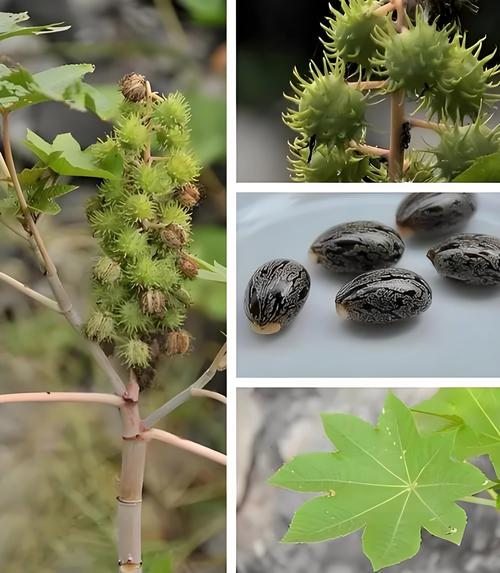
2 greystery: plasmosis, which primarily affects young tissues such as figs, can be applied 50 per cent of amiable double wettable powder 600-700 times, 100 kg per acre, 1 blow per day for 7 days, or 1,000 times methyl tobuzin once every 10 days, as can be seen from three。
3- kick-in moths: flat moths mainly endanger leaf blades, which are eaten up during severe periods. In the field, 7 centimetres of soil are cultivated to prevent insects from becoming infested, lighted into insects, artificially dewormed eggs and larvae. For the treatment of pharmaceutical agents, 90 per cent of trichlorfon and 50 per cent of estuarine are sprayed with leaves 1,000 to 1,300 times。
4. Grassland hardship: grassland insects are caught in a cola net, larvae are treated with a pharmacist formula of 1,500 to 2,000 grams of trichlorfon per acre, or 80 per cent of dichlorvos plus 40 per cent of locos are mixed with 1:1 and made of 1,000 times liquid spray。
Collection
Eighty per cent of the hyenas in the ear are brown and can be harvested, and the recovered hysteres should be tanned in a timely manner and taken off and sold in bags when the moisture drops below 9 per cent。
The above is the method of planting ricin, the root leaves of ricin can be drugged, the seed of ricin can be used to extract oil, the powder of ricin is rich in nitrogen, phosphorus and potassium, which are good organic fertilizers and feed after high temperature detoxification. Skin is rich in fibres, paper and raw cotton



