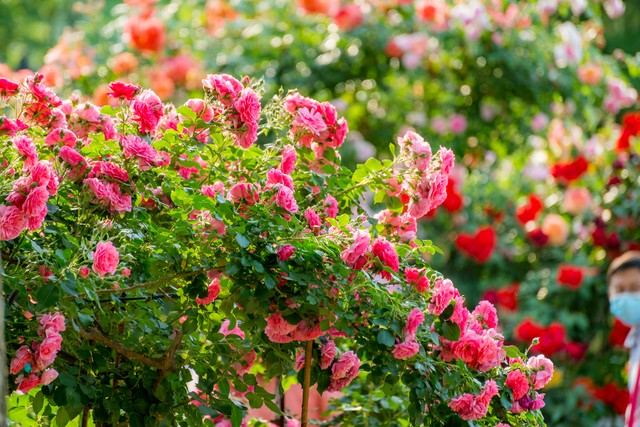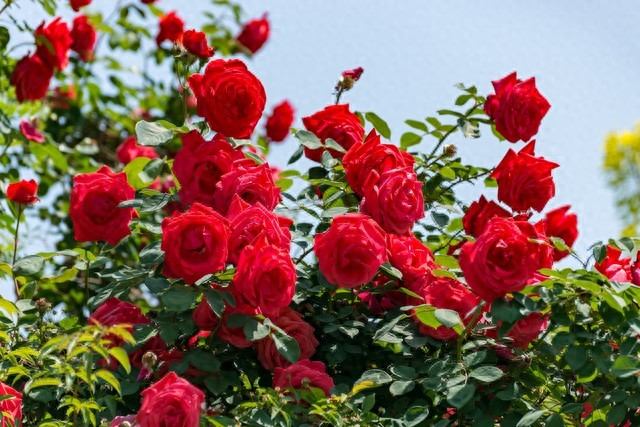
Moonflower friends: healthy choice of neighbour
The queen of the flowers is known for the queen of the moon, but it is also often labelled as a “medicine can”. Black spots, white powder, aphids, red spiders ... These diseases, like an unwanted shadow, haunt countless flower lovers. However, the wisdom of horticulture is often embedded in the law of natural symbioticism — the choice of the right “flower friend” for the season, which not only creates the wrong beauty, but also a natural ecological barrier that will keep the season from disease and healthy life in harmony。
Aromatic guards: guardians of deworming plants
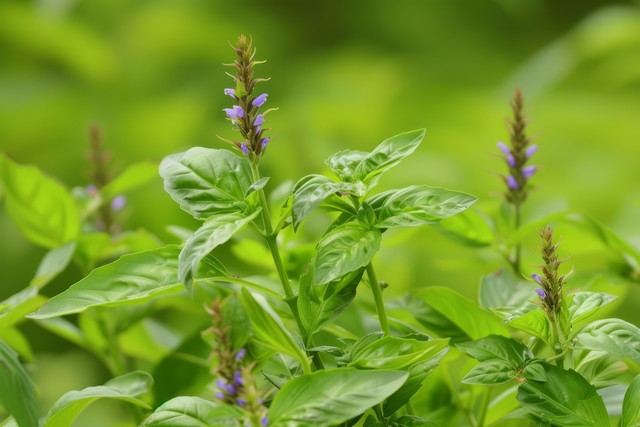
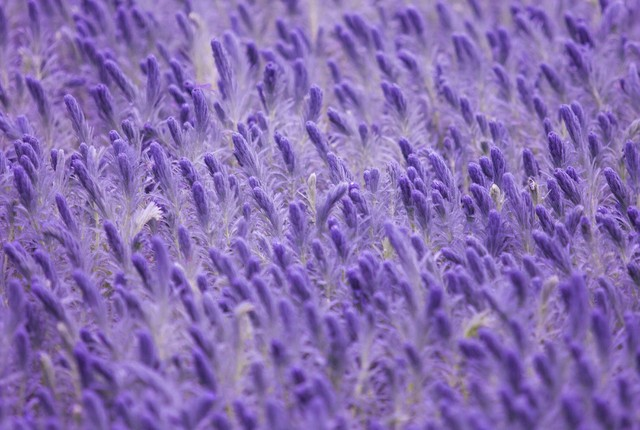
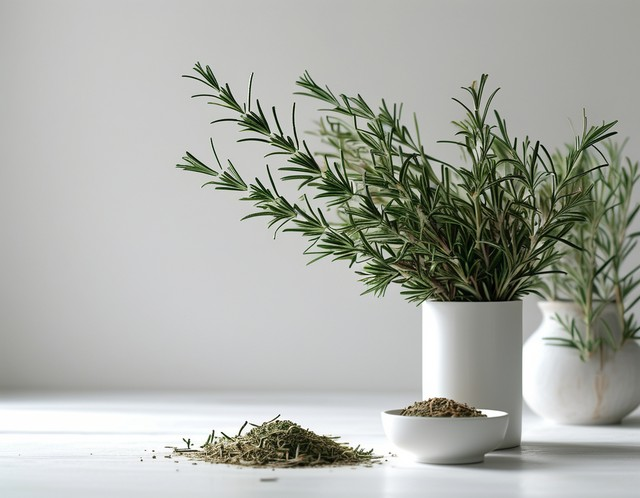
The unique breath of certain plants is a natural expulsion order for pests. For example, aromatic herbal books such as roller, lavender, rosemary, whose strong aroma can effectively interfere with the smell of common pests such as aphids, white powdered lice and keep them away from the seasons. At the same time, the root of the chrysanthemum is capable of dissecting a substance called the “alpha-triple phenol”, which significantly inhibits nematodes in the soil, which are often one of the factors contributing to the decline of the gestational roots and resistance to disease. These plants are planted around the season as an invisible aroma line。
Accompanied doctors: allies for disease containment
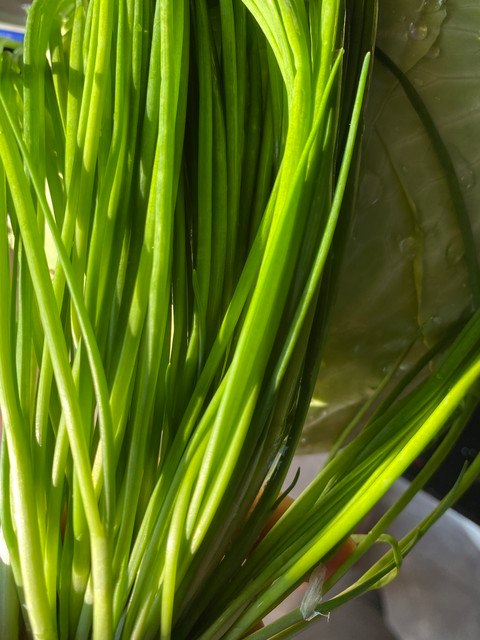
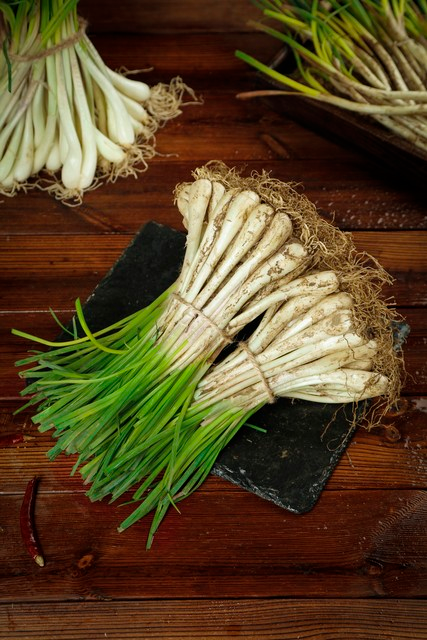
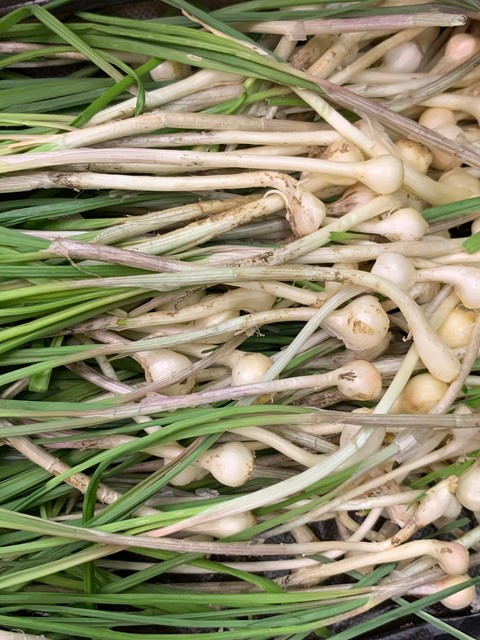
Some plants have natural antibacterial resistance or inhibition of fungi spores. Onions such as garlic and beryllium are plants containing sulphides that can spread into the soil and air and act as disincentives for fungal pathogens such as black spots and white powder. The gold flowers are not only bright dots, but root genres can also inhibit many soil pathogens and improve the internegative microenvironment. It is tantamount to having a “vegetative doctor” working in silence。
Ecosentry: early warning and attracting natural enemies
Smart gardeners also use “instructing plants” and “trap plants”. For example, aphids are more attractive to violets or akills, which can act as “sentry”, attract pests in advance and allow for concentrated treatment, thereby protecting the season. In turn, the planting of umbrella plants such as persian daisies, fragrances and radials, with small flowers that provide a habitat and food (flair honey) for beneficial insects such as ladybugs, flies and parasites, attract these “enemy armies” to the gardens and establish ecological balance for pest treatment。
Space partner: neighbourhood for micro-environment improvement
Reasonable work can also physically improve the growth environment of the season. Plantation at the bottom of the month, such as the planting of low-intensity fragrances or trifle grass, can cover bare soil, keep the roots wet and cool and reduce the chance of rain-washing leading to the splattering of pathogens. The combination of deep roots, such as rat weeds and bean beans, helps break soil sheeting and fosters deep nutrient cycling。
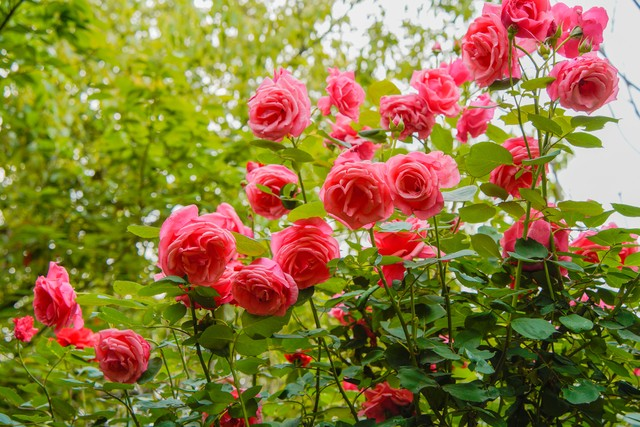
Of course, the perfect “flower friend” mix is not static. The choice needs to take full account of the compatibility of light and water needs and avoid competition for nutrients between plants. At the same time, moderate physical spacing, which guarantees ventilation, is the basis for preventing all diseases. The core of this symbiotic art lies in imitating the diversity of natural communities and replacing confrontation with balance。
When you do not see the season as a lonely solo in the garden, but rather as an elaborate combination of a community of plants that live together, you will find that health and well-being are no longer the goal of hard pursuits, but the inevitable of nature. A garden begins with a good choice。