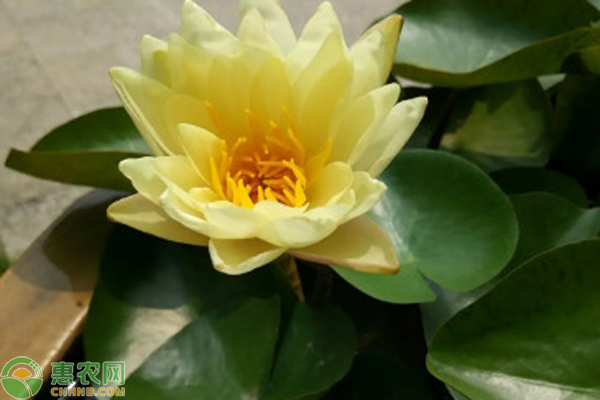
Sleeping lotus is a perennial aquatic herbivores whose flowers are usually open during the day and closed (sleep) at night, and are therefore named “sleeping lotus”. So how do you spend the winter in the sleeping lotus? Let's find out。
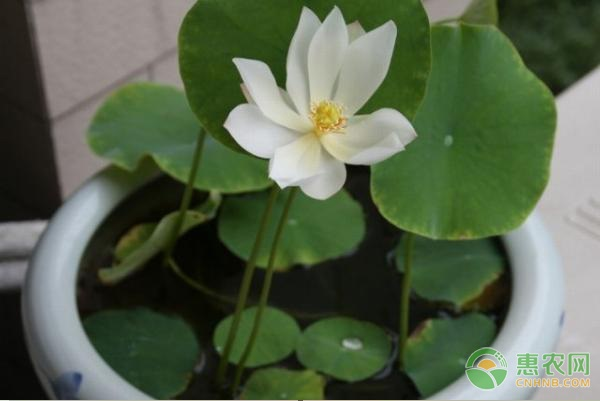
1. Indoor winterization
Placing the sleeping lotus in an indoor area where there is sunlight, keeping the right temperature and light, will help the sleeping lotus to survive the winter safely。
2. Digging pits
For those who are less able to withstand the cold, a pit of about 50 centimetres can be dug on the ground, and the containers that raise the sleeping lot can be placed in the pit, so that the water level is not too low, and fresh membranes can be prepared and the soil or straw covered. The subterranean layer is not frozen during the winter, which ensures the safe passage of the sleeping lotus。
3. Pool storage
If there are enough deep pools (generally more than 1 m), the sleeping lotus can be placed directly in the pools. In winter, even if the water is frozen, the water at the bottom of the pool will not freeze, so it is safer to spend the winter in the pool。
Four, dig out the root sand
Prepare enough river sand to at least fully cover the root of the sleeping lotus, then dig out the root of the sleeping lotus, simply wash the soil, then bury the root in the sand, keep the soil wet, and then put it in an environment above zero degrees, so that winter is safe。
Refrigerator protection
Since the temperature of the cooler layer is usually at 0-4°c, it is suitable for sleeping in the bed. Thus, the root of the sleeping lotus can be dug out, the soil cleaned and the roots wrapped in wet moss and placed in the freezer's fresh layer. But it's only for root and not a big sleeping lotus。
6. Attention
There are differences in the tolerance of the cold among different types of sleeping lotus. For example, it would be preferable not to be less than 5°c in winter, and to keep it above 10°c if there was sufficient light, some of it would bloom in winter, while the winter would need to be above 0°c and be safe to survive in occasional ice weather。
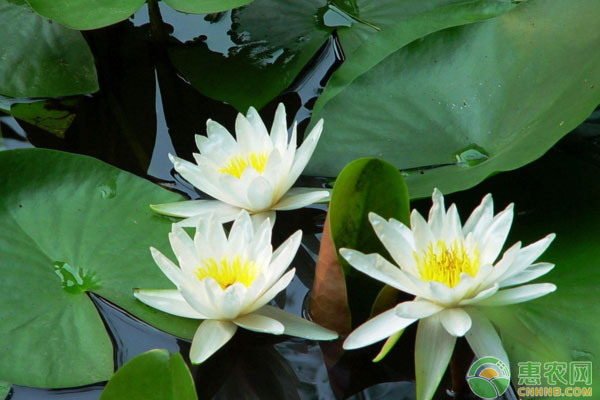
In general, the methods used to survive the winter are varied, depending on the species and the environment. In addition, attention to strengthening conservation management during the winter period is essential to ensure the healthy growth of sleeping lotus, such as temperature, light, etc。
You may be interested and welcome to read some of the following recommendations:。