


Those who grow cucumbers know that the vines climb as high as the good ones can be made white。
A lot of freshmen grow cucumbers, pouring water on their shelves, while ignoring the most critical link — the pursuit of fat。
From flowering to the outcome, cucumbers require significantly different nutrients at every stage, and the timing and variety of fat pursuits are relevant。

Actually, cucumber's fat catch is mostly three periods。
The first is to promote root growth at this time, the second is to guarantee the quality of the flowers, and the other is to extend the harvest time。
Fertilizers are selected and applied at every stage。
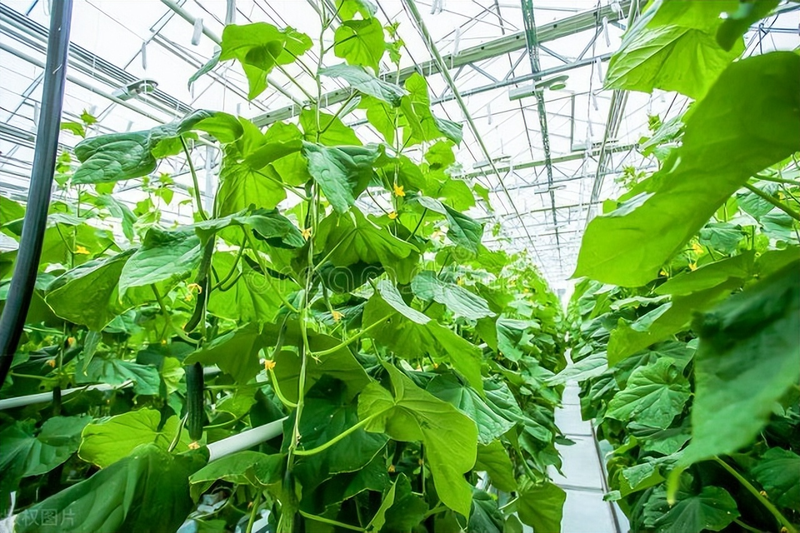
1. Fattening during the shrunk season: promoting seedlings
The first time to catch fat is about 10 days after the planting。
This is when cucumber seedlings are fragile, especially when their roots need to be ploughed down hard, so there is a need for something to promote their growth。
It should be noted, however, that its absorptive capacity is poor at this time, so there are three main points to be mastered at this point: small, diluted, near root。
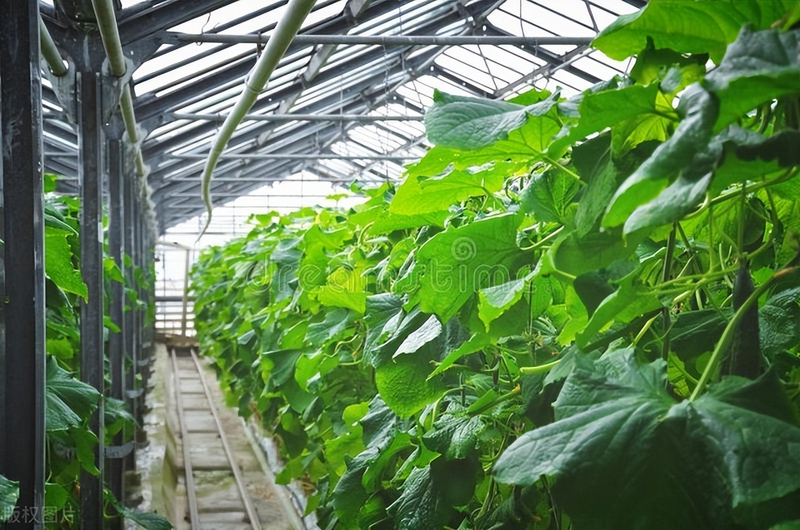
The best rooting effect is with fermented bean cakes, which, after full decomposition, contain nitrogen elements that are more easily absorbed and which contain organically improved soil structures。
During the operation, two bean cakes were fermented in 10 pounds of water for five days in the shade, so that the foam could be used to see the surface。
Fattening is done around the seedlings, and half a bowl of fat water is sufficient。
If soybean fertilizer is not available, it may be replaced with a small amount of urea, but the concentration must be within three parts per 1,000。
After urea has dissolved, the urea is used for half an hour in order to avoid root burning。
At this stage, the use of uncorrupted fertilizers is taboo and can easily cause root causes。
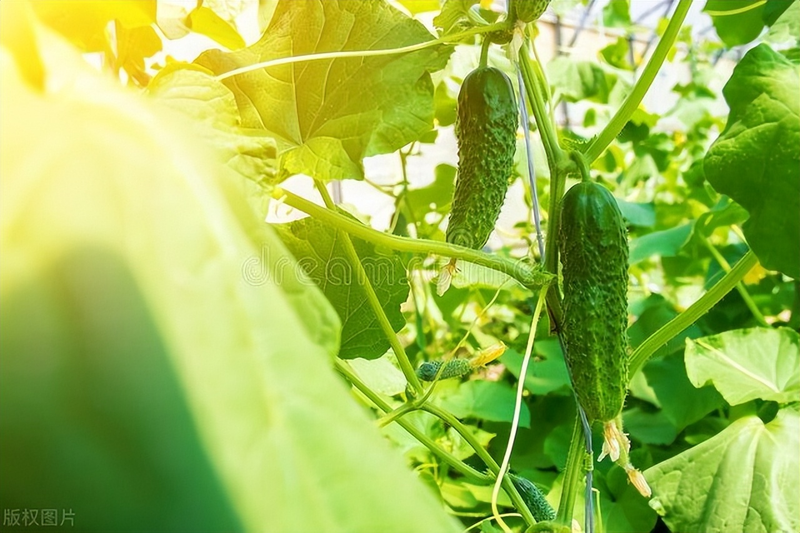
2. Fertilization in flowering seasons: preservatives
The second fat spot came up when the first flowers appeared。
At this point, cucumber enters the reproductive growth stage, with a surge in demand for phosphorus potassium。
Experienced vegetable farmers can sow grass-wood ash around their plants, filling potassium and preventing insects。
Grasswood ash is screened before use, and after removal of impurities it is spread evenly at a distance of 10 centimetres from the root, and the amount per acre is within 30 pounds。
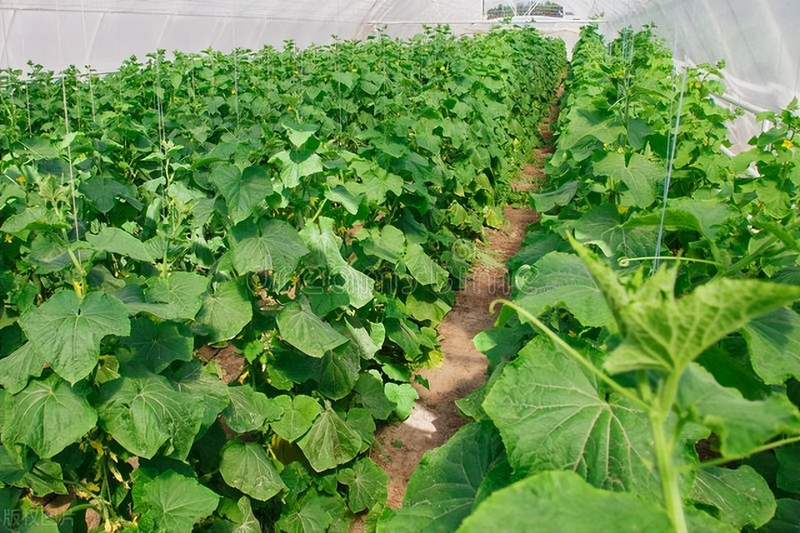
In the event of consecutive rainy days, the rooting is more secure using potassium phosphate solutions。
Dismantling 50 grams of potassium phosphate into 30 pounds of clean water, slowly watering it along a ditch, allowing nutrients to reach the root。
At this stage, special attention should be paid to the control of nitrogen fertilizer, which can lead to the growth of vines and vines and to the development of flowers。
Some newcomers have seen urea when the leaves were yellow, and as a result the vines grow crazy but do not cumber, due to an imbalance in the ratio of nitrogen phosphorous。
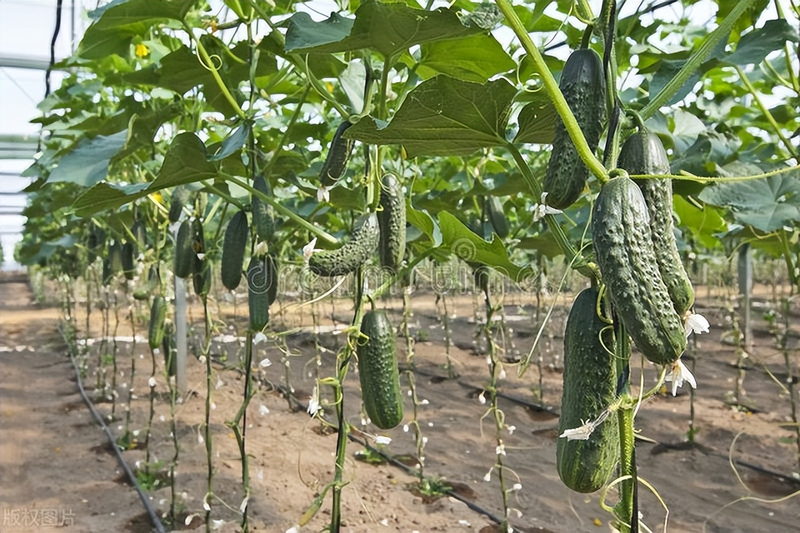
3. Outcome period fertilization: magnesium
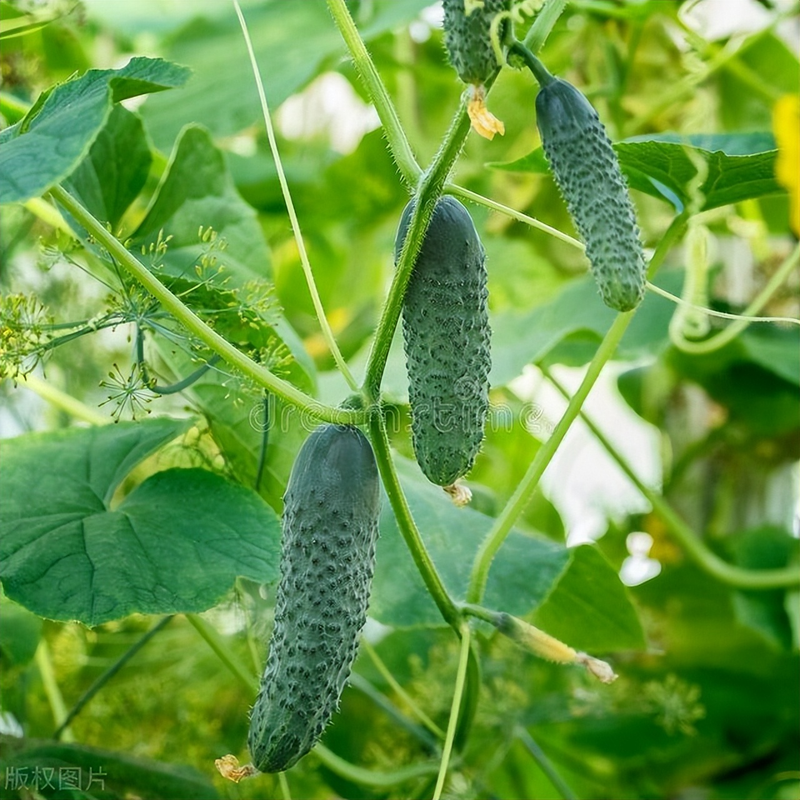
The third stage of fatting is after the first cucumbers。
When the sitting guacamole starts to swell, it requires full nutritional supplementation。
The cucumber can grow about three centimetres per day during this period, with a peak in nutrient consumption。
Calcium phosphate is the best option for a corroded chicken manure, which provides nitrogen and organic elements, and calcium phosphate supplements phosphorus。
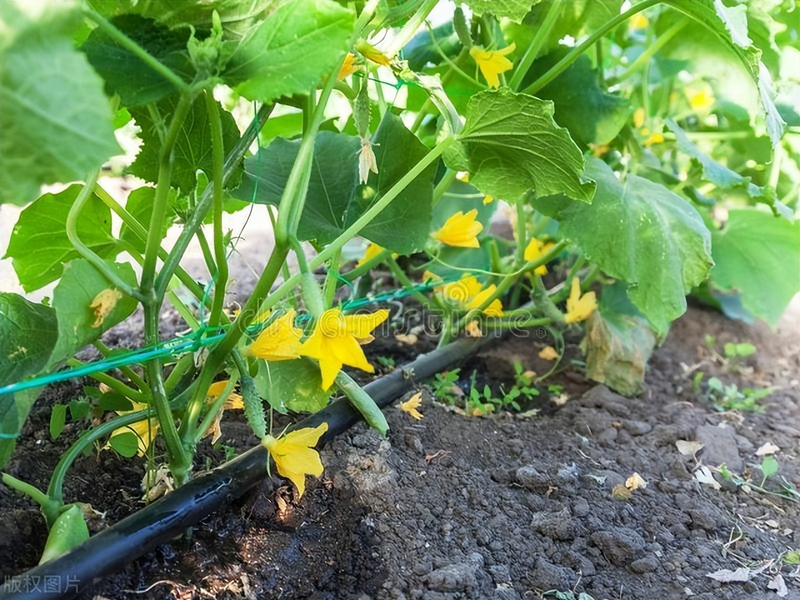
The two fertilizers were mixed in two to one and buried in shallow ditches on both sides of the plant。
Each usage is kept within half a pound, and when fattening, water is poured in time。
At this time, soil moisture is stable, too arid to cause deformities and excessive moisture and prone to decay。
In case of high-temperature weather, fertilization is recommended at lower temperatures in the morning and in the evening to avoid volatile losses。
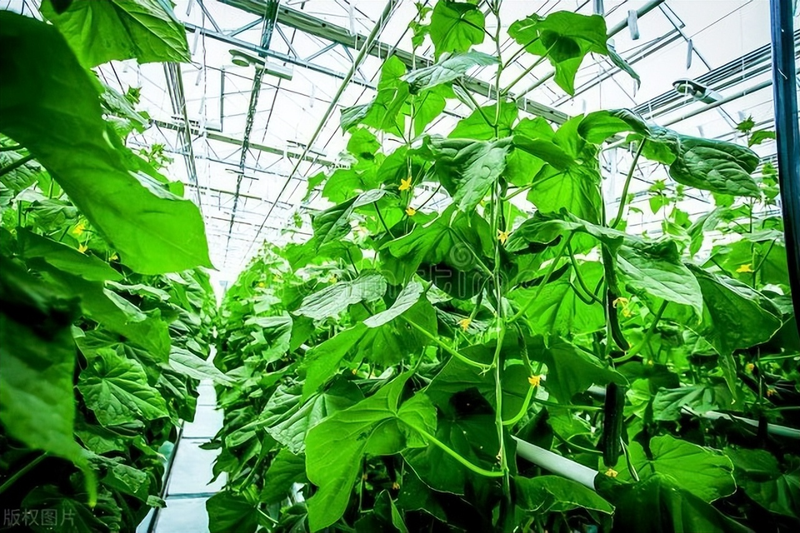
4 medium-term recovery of fertilizer: extension of outcome period
The fourth recovery took place in the middle of the harvest。
When the cucumbers on the vines have been picked up twice, the nutrient reserves have been consumed in most cases。
It's time to balance quick and long effects. Cooked soybeans are a good option。
Take two kilos of soybeans and boil them open, and then cool them and bury them around ten。
The soybeans are slowly decomposed in soil and can release nutrients for more than 20 days。
At the same time, attention should be paid to the need to supplement the trace elements, which can reduce the presence of fertilized melons by spraying boron。
Dissolves 10 grams of boron sand in 30 pounds of clean water and chooses to spray leaves and backs in the dark afternoons, twice a week。
This phase of pursuit of excessive fattening, especially nitrogen fattening, can lead to a reduction in the coarseness of the melon bars and a significant discount in the value of the goods。
5. Final phase of pursuit of fertilisation: manure control
The final phase of the fat catch requires control。
Fertilizers must be stopped 20 days before harvest ends, so that plants naturally consume the remaining nutrients。
This is a time when the absorptive capacity is declining and the continued application of fertilization is not only wasted, but also affects the taste of fruit。
Maintaining a moderate drought in the soil can facilitate the accumulation of sugar and make cucumbers more sweet。
If the plant is found to have a premature decay, it can be properly sprayed with potassium phosphate solution, but the concentration is reduced by half。
If you find that there are old leaves on cucumber vines that must be removed in time to reduce the nutrient consumption of these leaves and to make the last of them better and more stylish。
There are four common mistakes to avoid throughout the process:
Fertilizer application is too close to root to burn root; fertilizers are not sufficiently decomposed to cause pests and infestations; micronutrient supplements are neglected, leading to deformations; and nutrients are lost due to the pursuit of fattening in the rain。
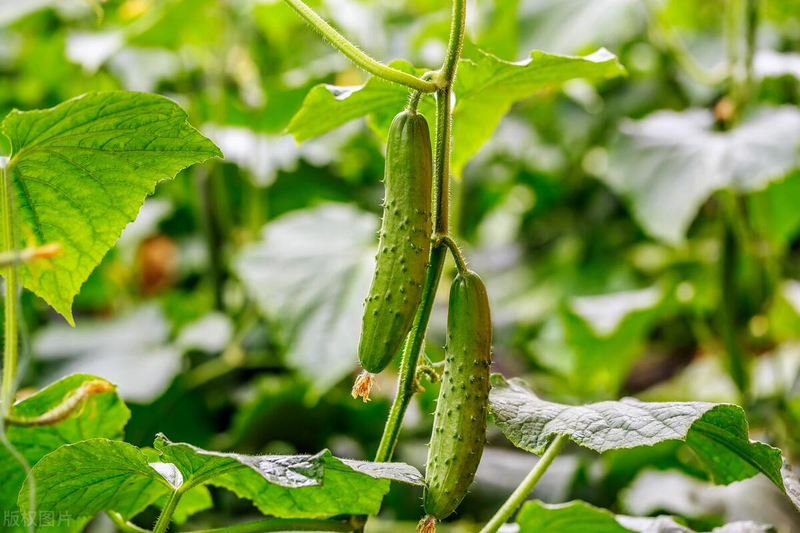
It is not a problem to manage the timing and methods of the five fat pursuits, and the cucumbers on the vines can grow 20 days longer, with a 30% increase in yields。
The old vegetable knows that the man who's chasing fat grows cucumbers, each of which is straight, and takes them off with cream and bites them all sweet。



