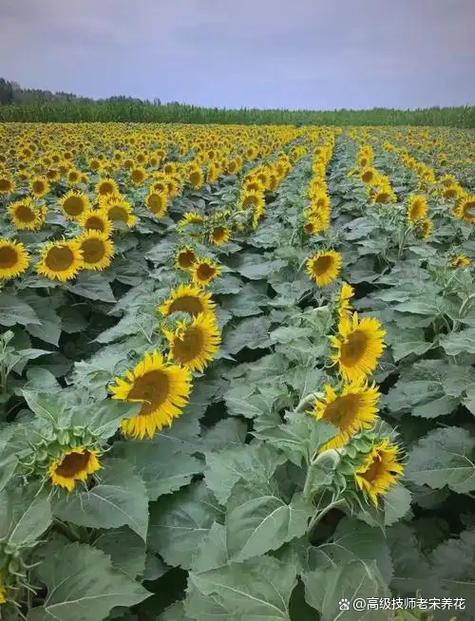
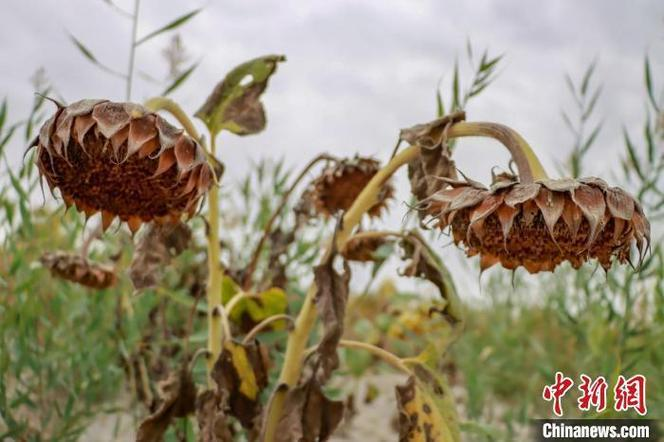
On october 10th, the chinese news network xinjiang (kung ling) was less likely to be affected by the wind than by sunflowers. At the moment, more than 9,000 acres of sunflower in the lake bo county entered the harvest period, and a piece of sunflower bended down, full of flowers and dark and bright。
On 9 october, in the accelerator-growing ground of the family farm at tawin hsienken, bo lake county, a joint harvester was travelling back and forth in the fields, removing grains, filtering and loading cars, and there was a busy scene of fire in the field, which was seen by the director-in-charge, sang-hyan, with the joy of the harvest on his face。
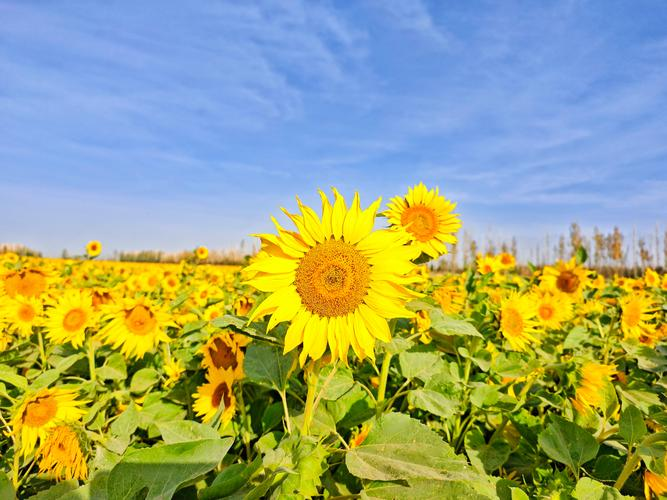
Sang-jian, head of the family farm in ta winchken, bo lake county, told reporters that he had grown more than 800 acres of sunflower this year, producing more than 160 kilograms per acre, with a net profit of about $1,000。
In recent years, ta winchken commune in bo lake county has been actively adjusting its industrial structure, expanding its area of specialty crops, planting refined oil crops and benefiting villagers through the extensive application of new technologies, such as precision seeding, the integration of drip fertilizers and mechanized harvesting. At the same time, efficient mechanized harvesting saves growers time and effort。
“now that the mechanical harvest is good, that it used to take $150-200 per person per day for an acre of land to be taken, and that it takes about a acre per person per day, and now the mechanical harvest is only 30 acres in size, fast, convenient and clean.” sang-jian, who looks at mechanized harvests, says:。
As a drought-resistant, saline-resistant rough crop, it is understood that the adaptive and short-lived production cycles of sunflowers not only have a “paint” but also have considerable economic benefits. At the same time, the flower season can also lead to rural recreational tourism, with fields as beautiful as landscapes, attracting a large number of tourists to visit and play。
“in addition to adding new spots to rural tourism, the shea cultivation has opened up new avenues for increasing the population's revenue, allowing the population to move from viewers to participants in rural renewal to tangible beneficiaries”