Intellectual property strategies under innovative national frameworks
Http://www. Sina. Com. Cn 25/04/2006 13:27 sadie network
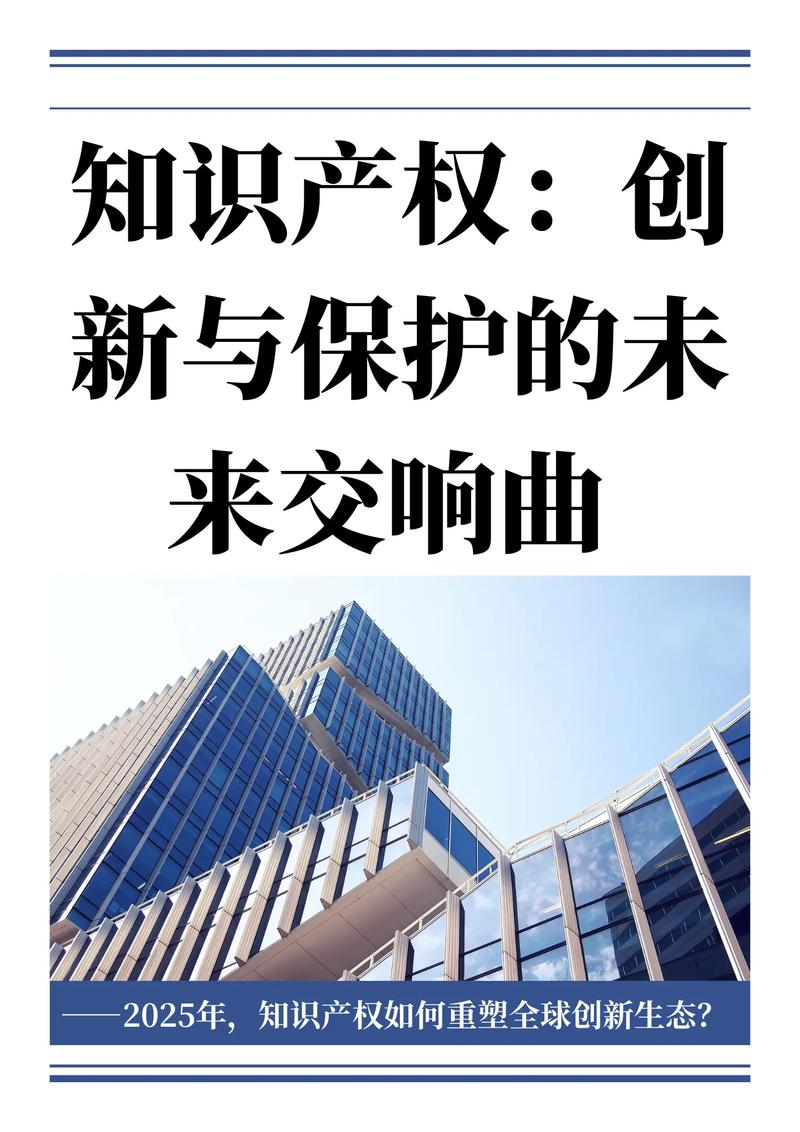
April 26th, world intellectual property day. For the developed countries, it was a festival of creativity, and for the developing countries, intellectual property rights (iprs) were inevitably bitter。
Over the past year, china's intellectual property rights sector has continued to flourish. The country has been exposed to inadequate intellectual property rights in various areas of production, services and applications。
However, china is making progress and intellectual property rights are being developed in a healthy manner, beginning with the building of an innovative state and a harmonious society. For china and its leaders have recognized that intellectual property rights are not just property rights, but some kind of “knowledge rights” and, more importantly, the design of innovation systems. The vitality of the intellectual property system lies in its distribution of benefits among consumers, innovators and the scientific win-winness of markets, and it is more important to manage economic relations than a mere “patent arms race”。
As can be seen from the new approach adopted in 2006, china's intellectual property strategy, which is characteristic of china, not only protects existing innovations, but also emphasizes focused, reduced energy consumption, overall coordination and priority, thus ensuring sustainable and stable innovation for the whole society, with more balanced development across regions。
The existence and development of iprs are not because they limit competition and development, but because they promote healthy competition, enhance the overall innovation capacity of society, promote the public interest and benefit every member of society. Intellectual property rights are public rights. As a beneficiary and a new member of the world intellectual property system, china must set an example for developing countries as a whole, while enjoying its global intellectual property assets, making a conscious contribution to global intellectual property protection, promoting north-south dialogue and promoting scientific and technological cooperation。
The protection of intellectual property rights was a common interest of all the countries of the world and a need for china to expand its openness, improve its investment climate and enhance its capacity to innovate. The chinese entering the new century recognized the balance between intellectual property rights and social productivity. Comrade ping said that reform is the liberation of productivity and that technology is the first productivity. Prime minister wen jiabao recently directed that “the protection of intellectual property rights is about respecting knowledge, encouraging innovation and protecting productivity”
China will take four important measures to develop a more complete system of intellectual property protection. First, to strengthen law enforcement and legal protection of intellectual property rights; secondly, to strengthen administrative regulation and to regularly undertake specific actions to protect intellectual property rights; thirdly, to strengthen international cooperation to combat violations in close cooperation with the countries of the world; and fourthly, to strengthen education for all to foster a culture of protection of intellectual property rights throughout society. Through persistent efforts, the concept of intellectual property rights has become more visible。
Building a national spirit rich in science, technology and innovation cannot be achieved without promoting the spread of science and technology through the media and the internet. National core competitiveness strategies can be relatively high-end, and implementation at the communication level requires a variety of flowers and flames. Taking full advantage of the close relationship between modern media and science, technology and innovation, and carrying out science and technology campaigns that are well received by the audience, will add new light to the implementation of china's intellectual property strategy. (n103)