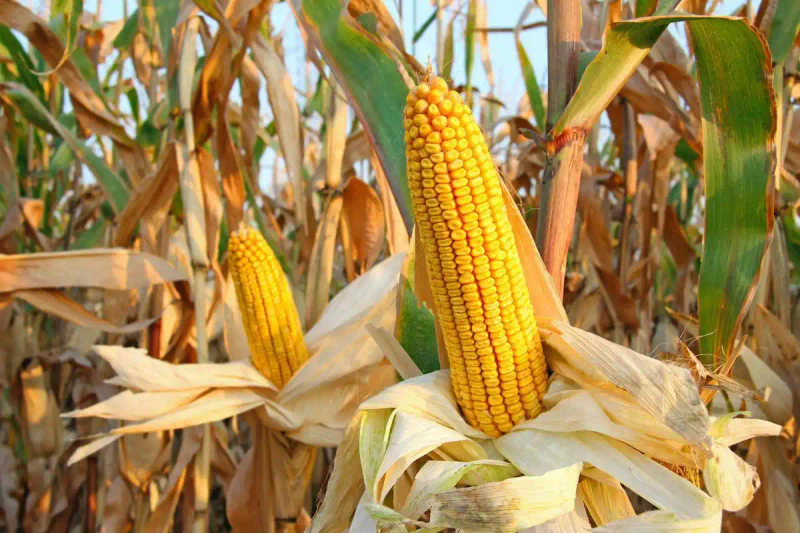
Sticky corn, also known as sweet corn, is of high economic value and requires more than normal corn, and is targeted at increasing market demand and no public hazards. High-yield maize crop management and focus analysis to promote high-yield, high-quality sticky maize production and provide technical support to increase agricultural production and farmers ' incomes. Corn, which is the main food crop in the north, can be classified as ordinary sweet corn and sticky corn in a single sense。
Sticky corn is defined as corn rich in viscosity, i. E. Maize, which is often eaten with a higher nutrient content than normal maize, which can eat fresh ears, freeze, make food snacks, health-care foods and sell off-seasons, and its straw, which is good feed for cattle and sheep, is more than two to three times the economic value of ordinary corn than ordinary corn, and has thus played a significant role in the restructuring of the cultivation sector, with the conversion of ordinary maize from cultivation to the cultivation of special-purpose corn, with low-input and high-efficiency advantages. Scientific planting of sticky maize to ensure high yields and high quality is an effective measure to improve its economic efficiency. The following are some of the technical points for the management of sticky maize cultivation。
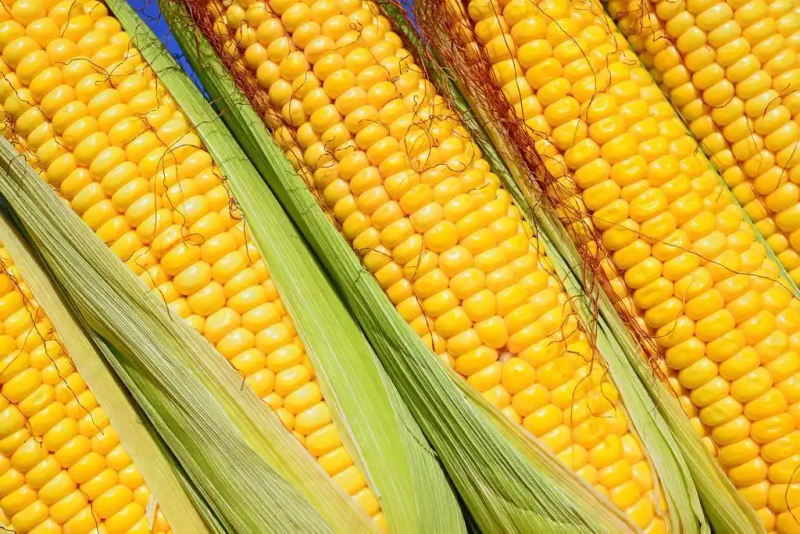
1 selection and seed processing
1. 1 choice of varieties: selection of suitable varieties according to natural conditions and market demand in new areas to ensure efficient cultivation. High yields, high silliness, high resistance to disease, even ears, and high seed yield are the preferred varieties, such as shenzhen 3, salu no. 1, salu no. 2 and lobaki no. 2 in the new area。
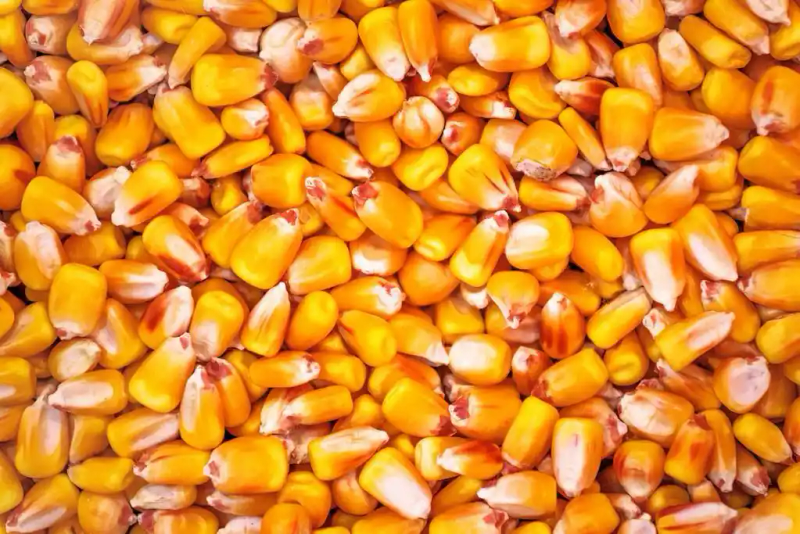
1. 2 seed treatment: selection of seeds with high sprouts, high purity and full saturation, screening and tanning of 2-3d to increase seed sprouts and to kill bacteria on the surface of the seed, pre-plant seeding with seed seed seeding, planting with clothing and live seeding。
2 fields
2. 1 land selection: land parcels with a flat terrain, rich organic content, above average fertility, no source of pollution in 3 km, good ecological conditions around the plots, soil environment quality, air quality, irrigation water quality, and national standards for production of non-hazardous agricultural products. It would be preferable not to plant other varieties of crops around the plot in order not to affect pollination effects during corn pollination, and to keep sticky maize species separate from other types of corn, with barriers not less than 150 m, space isolation not less than 300 m or a phased planting of 30 d, separate from other maize, to ensure that the quality and production of sticky corn is not reduced。

2. 2 the whole area
Quite finely designed to contribute to the high yield of clay corn, to defusing the soil in autumn, to increase the amount of water held in the fields, to be depleted before autumn falls, and to protect the soil from the effects of deep fertilisation in autumn and spring. It is easier to protect seedlings by applying bottom fertilization in autumn than in spring tillage, increasing seed yield rates and applying bottom depths of 25 cm or more, when most of the fertilizer is pushed into the deep and middle layers of the soil, and is easily absorbed by crop roots, increasing the utilization of fertilizers and reducing the amount of surface fertilizers in the spring, thus reducing the concentration of fertilizer around the seeds. Another advantage of deep bottom fertilization in fall-and-dwelling because of the strong fertilization of the roots of crops is that fertilizers are evenly distributed in the middle and lower layers of the soil, favour vertical horizontal stretching of the roots of crops, which can significantly increase crop resilience to drought and fallback. One-time application of bottom fertilizers per 667 m2 ammonium 30kg, zinc sulphate 1. 5 kg and potassium sulphate 10kg。

3nd planting time
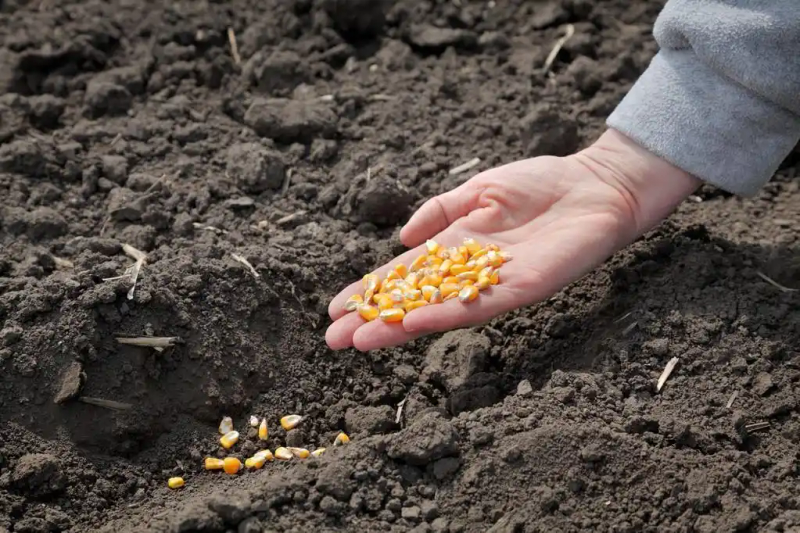
Sticky corn seeds germinate at below 25°c and begin to sprout at 25°c. Early planting is prone to pollinating and bad seeds. As the north is constrained by the culture of cultivation, sticky maize is most suitable for sowing at 8°c in early may, with a temperature stable at 10-12°c. In order to adapt to market demand, the economic benefits should be maximized by planting, collecting and listing in instalments. The first planting, using membrane cover, increases the temperature and promotes early growth of the seedlings. If seeding is carried out using the sheds, seeding can take place in early april, with the three leaves moving at one centrifugal stage, and harvesting can increase the economic value of the sticky corn 20-30d ahead of the live field. A variety of different seasons can be spread at the same time, with the same species growing once every 10d, with a much lower rate of seeding of sticky corn than normal maize, due to the dryness of the sticky maize seeds, their weak growth, their poor capacity to sprouts, and their seeding should be soaked in an appropriate light that it is not too deep, shallow and 2-4 cm of the ground. A seeding machine was used to sow seed, soaked, soaked, 500 ~ 3,600 km2. In order to ensure a growth rate, two to three。
4 scientific fertilization
Sticky maize is a crop that requires higher fertility, absorbs the most nutrients based on organic fertilization, followed by potassium and phosphorus, and therefore scientific fertilization is an important link in the high yield and quality of sticky maize. Fertilizers are applied in three ways: base, fertilized and followed. Sticky maize harvests are about 15d earlier than normal corn, and fertilisation, mainly by seeding, is based on the principle of fertilizing, supported by fertilizing, with sufficient fertilizing and hard work。
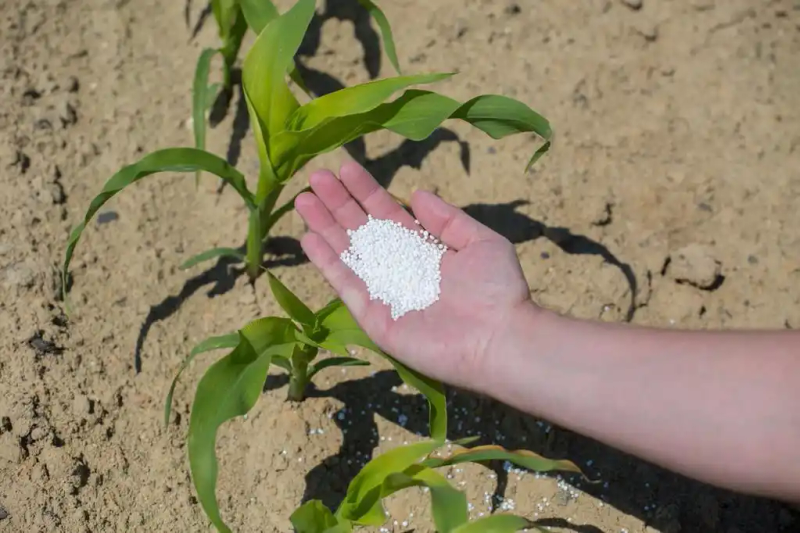
4. 1 fertilizers: when sowing, the sides are concentrated in deep-seated ditches to avoid burning seedlings of fertilizers and seeds, mainly urea and potassium。
4. 2-big fat
Base fertilizers, i. E. Bottom fertilizers, must be fully applied, usually combined with a deep thaw in the aftermath of the harvest of sticky corn, with an application of 2000kg organic fertilizers per 667 m2, organic fertilizers being applied as early as possible, composite fertilizers of 15-20 kg, and, in the case of organic fertilizers, an increase of 60kg compound fertilizers per 667 m2 prior to planting。
4. 3 fertilizers: because of the high consumption of sticky corn, multiple fats can guarantee the viscosity and yield of sticky maize, early fats, weights to be split and ears to be fat, and the number of fats to be followed increases. Obsolete fattening; growing nutrient requirements for maize plantations entering the pyrostatic period; and the importance of the pyrolytic fertilization in promoting the nutritional growth of the sticky corn and achieving abundance, with application rates of 15-20 per cent of the total fertilizer use, and at the age of 7-9 leaf for the sticky corn, with urea applied at 15kg per 667 m2. Earnings; they account for about 35 per cent of total fertilizer use, and are most suitable for the pursuit of urea at the age of 13-15 leaves, combined with urea at 15-17 kg per 667 m2。
5 water management
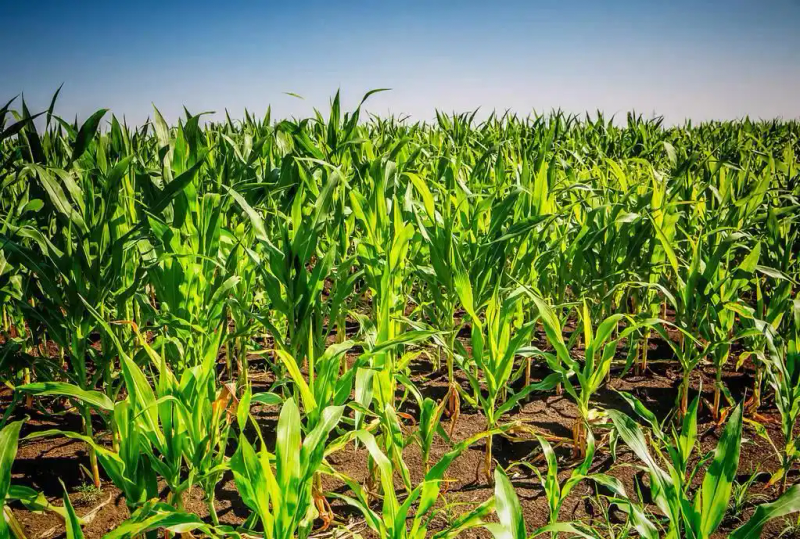
In order to ensure high yields, sticky maize should be fully hydrated throughout the medium-term farming period, and in the event of drought it should be watered in a timely manner, twice each time, and the relative holding of water in the field should be maintained at more than 70 per cent, so as to ensure that the roots of the sticky corn, especially its pedestal, are provided with water and to prevent “crazy drought”。

Six centimeters, multiple ears
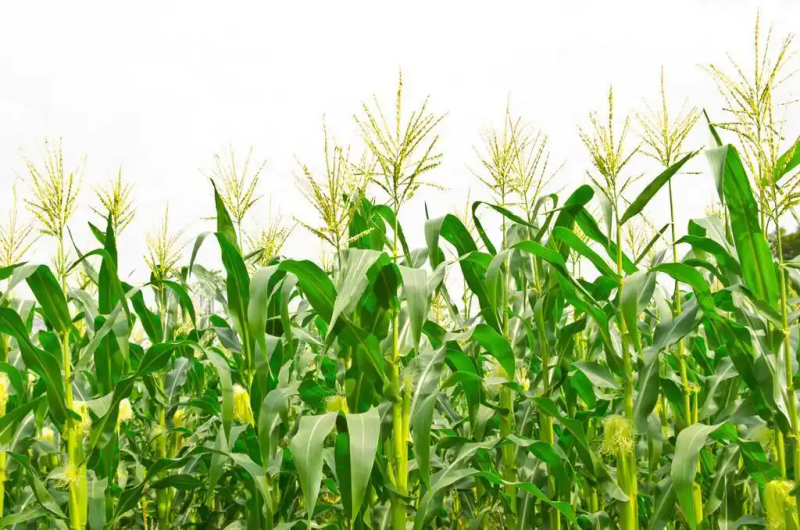
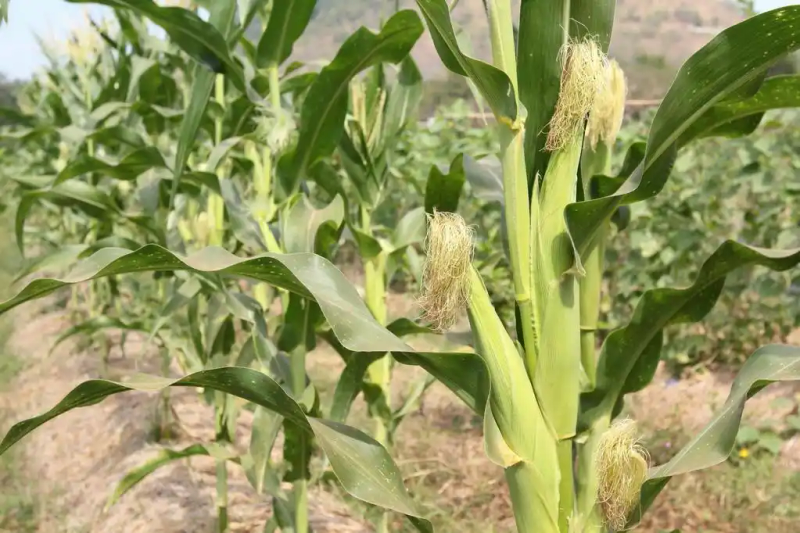
Sticky corn has a habit of dichotomy, especially in the case of better water fattening, which is easier to produce than normal maize, and is more likely to produce diaphragms during seeding periods, to consume oxygen, and to affect the commerciality of sticky corneas and ears, which should be spread sooner rather than later, as soon as possible and as soon as possible, in combination with weeds, which can promote thick leaves and prevent inversion. The mucous corn split was carried out on the first appearance and then again on 7-8d. The adhesive corn is prone to multi-egging in the middle and later stages, removing the non-effect lumber, and leaving the syllable at 6-8 leaves。
7 chemical weeding
7. 1 pre-planting: post-plant herbicides have some effect on adhesive corn seedlings, preferably before seeding, 50 per cent of the acetamine emulsion 75 ~ 100 ml/667m2 during the farming phase, 50 kg soil spray in water and even application. For single-leaf weeds and double-leave weeds, 80-100 ml/667m2, or 40 per cent of the weeds are applied to 250 ml/667m2, and 50 kg of water is equally sprayed on the weeds. A spray of 40~70ml/667m2 or 15% nisulfonaqualone suspension of 50~65ml/667m2 was used on 288g/l-chlorofluorooctyloxyacthylene。
8 pest management
Underground pests: soil treatment uses 3% thionophos-methyl granular agent ~3-4kg for excretion, or seed wraps (3% thiophos-water emulsion formulas equal to 1:30 ~40, 300 g/l-cypermethrin capacitose formulas equal to 1:500 ~600) to combat underground pests such as tigers, thorium, etc., and can also be administered with 1,000 times more lactation in 48% of slime corn seeding. Aphids: sprayer powder 2. 5 ~ 3 kg/667m2. Ribbon: 40 per cent of the milk of chlorinated fruit 1,500 times the fluid spray. Corn-size scabies; sprayed fields with 70 per cent methyl tobuzin humid powder 800 ~ 1,000 times more or 50 per cent more than 500 ~ 600 times more – before and after corn gushing. Corn distress: sticky corn smells are unique and particularly prone to maize distress, maize heartleaf is a critical phase of control, predominantly biological control, maize spawning begins at the end of the spawning season, the release of crocys, larvae enzymes during larvae, and the use of 250g/l吡唑ethyl emulsure cream in the early stages of the disease, 30 ~50 ml/6672, or of 2. 5 per cent zinc sulphate or 3 per cent furan granule。