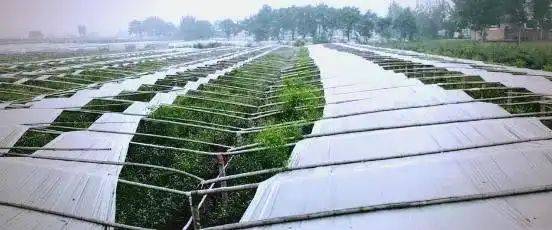
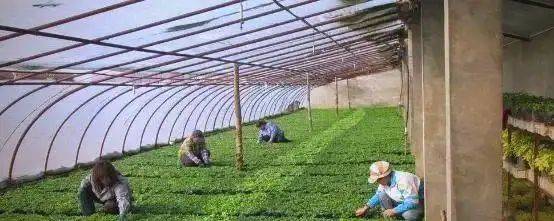
With the onset of the winter, the temperature was gradually low, with an autumn rain and a cold and open vegetable growing threatened by freezing. However, with advances in agricultural science and technology, the production of vegetables in autumn and winter has been effectively protected by the growing technology of large sheds. By building large sheds, we can create a suitable environment for the growth of vegetables against the cold。
Winter shed planting techniques 01
Vegetables preferred
During the winter, the choice of vegetable varieties grown in sheds is crucial. In general, vegetables such as spinach, oilseed, truffles, chickens, cabbage and cabbage are cold-resistant and suitable for the winter shed. At the same time, some anti-season vegetables, such as tomatoes, eggplants, bean horns, sorghum and peppers, could be considered for market diversification. These vegetables are not only easy to store, but can also generate significant returns for farmers。
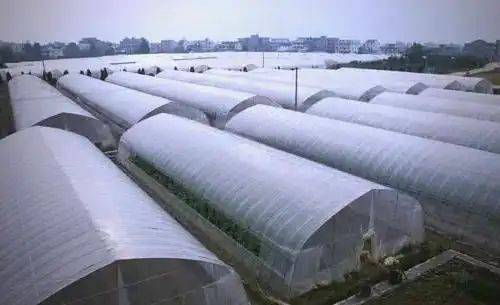
Farming management
Waste prevention and control methods
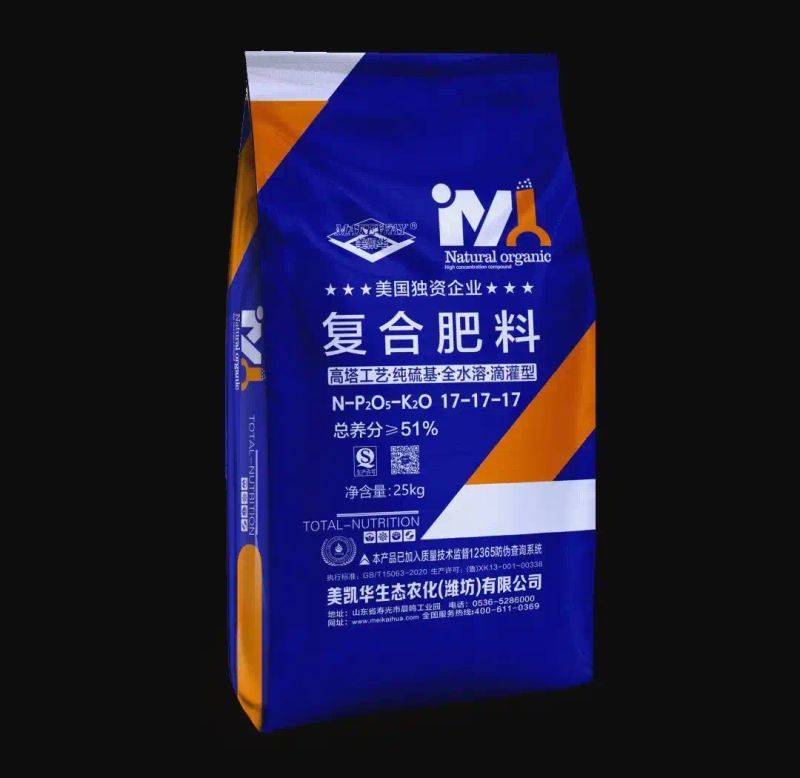
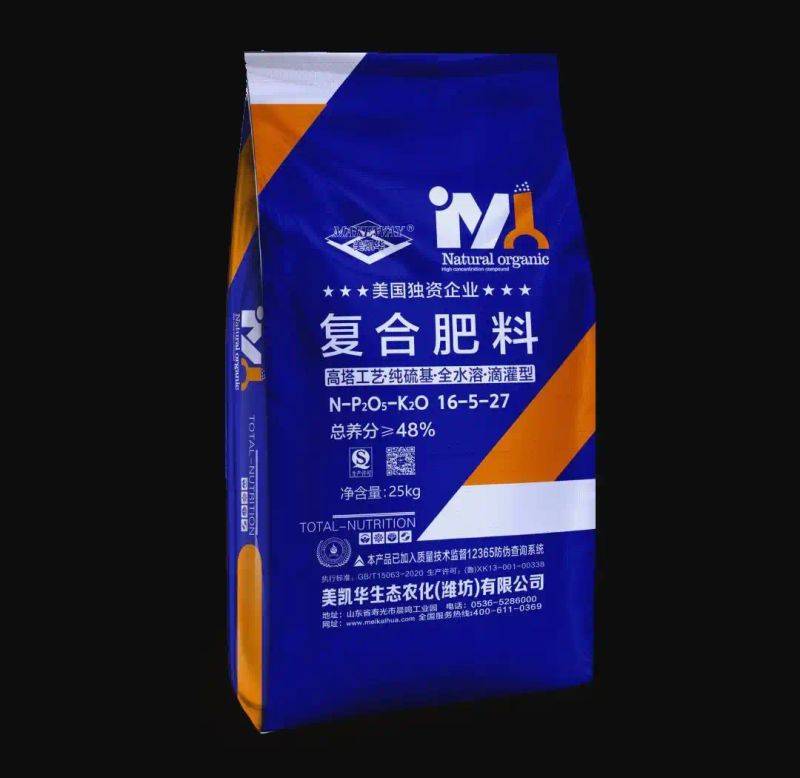
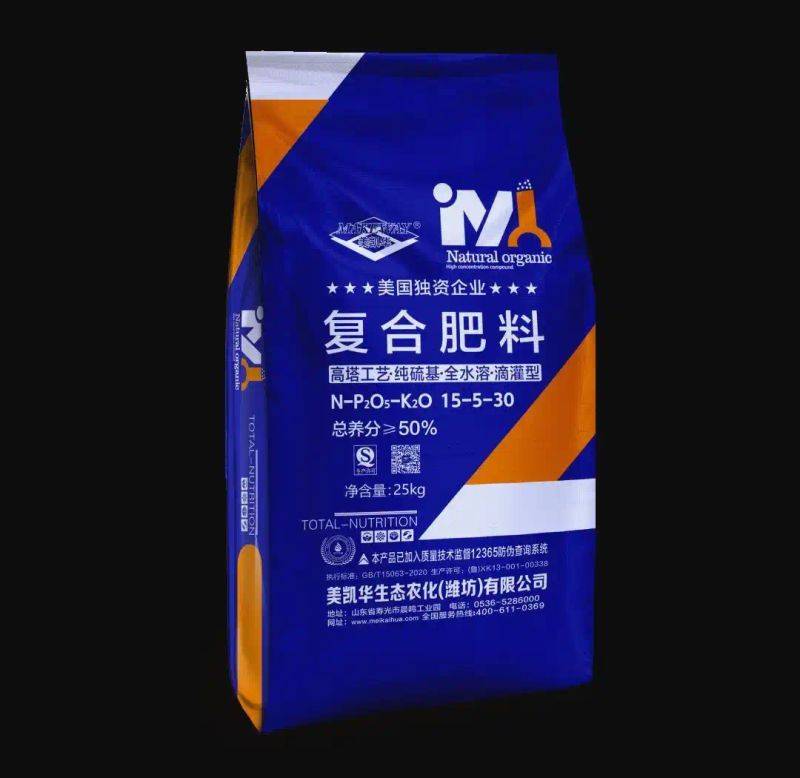
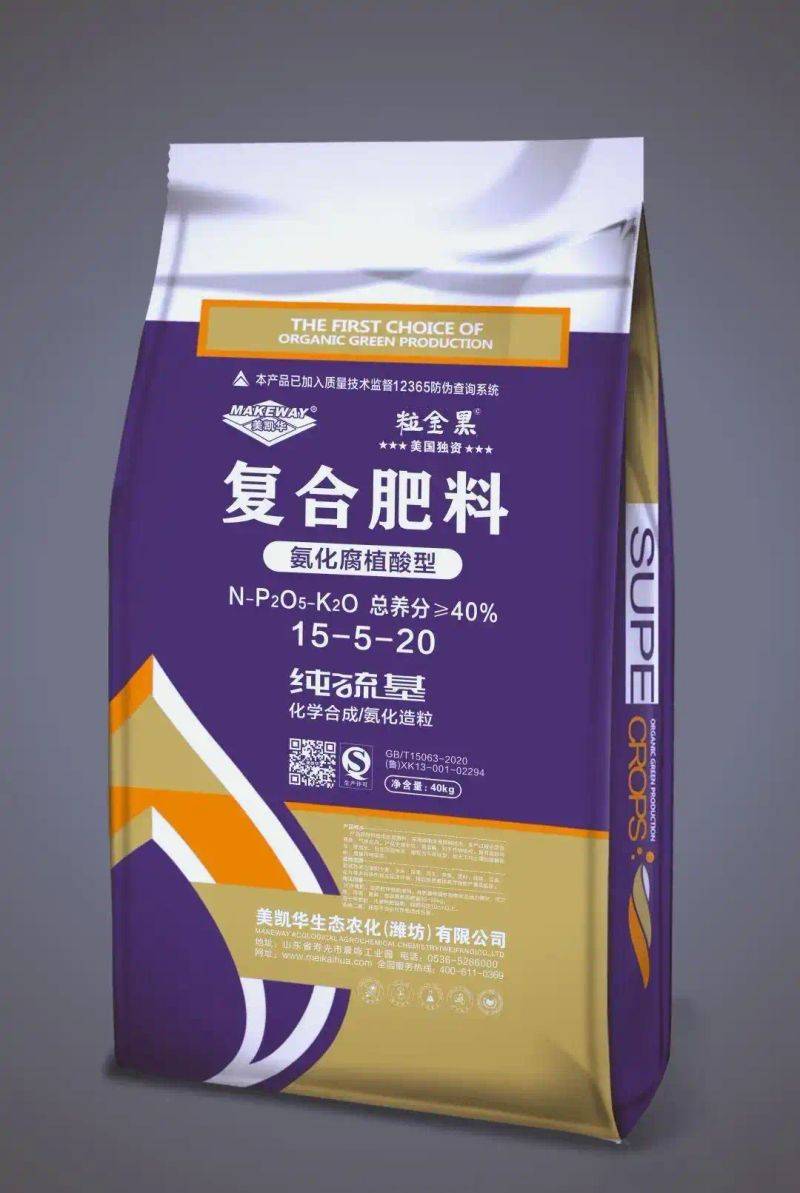
Fertilization is an important factor threatening the production, quality and economic efficiency of vegetables during the winter season. In order to ensure healthy vegetable growth, deep fertilizer application is key. Fertilizers should be applied deep or mixed with water to reduce direct contact with vegetables. At the same time, proper fertilization is important and, as there is less fertilizer loss in the shed, application should be kept below the level of open vegetables. The application of organic fertilizer must be fully fertilized, in particular by weight and human and animal urine, in order to avoid damage to vegetables. After fertilization, ventilation should be enhanced and a certain amount of ventilation should be maintained at night to prevent the accumulation of harmful gases in the shed。
High temperature response
Vegetables are vulnerable during high temperatures. In order to cope with high temperatures, we can take a range of measures, including increased shades of the sun, rational fertilization of irrigation and, where appropriate, increased irrigation. First, it is necessary to increase the resilience of vegetables and improve their biological function through rational fertilization and irrigation. Second, sunnets or other shades should be built to reduce sunlight and temperature. In addition, the air flow in the shed can be increased by ventilating air and thus taking heat away。
Ventilation and temperature control
Ensure that the air is fresh and that all harmful gases are discharged in a timely manner by regulating the air and temperature in the shed. The temperature in the shed shall be maintained at 20-25°c during the day and at night at 15-18°c. Particular attention is being paid at this time to the need for timely recharge of water to regulate temperature in the event of water scarcity in the soil。
Freeze prevention and response
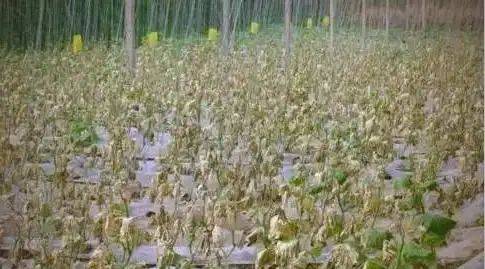
The prevention of, and response to, freezing hazards are extremely important in winter shed cultivation. First, the heat capacity of the soil can be increased by water retention, thus preventing excessive deterioration of the temperature. Secondly, it would not be appropriate to close the shed immediately after exposure to the freeze, but rather to reduce the temperature by cooling the wind and allowing it to rise slowly. In addition, measures such as artificial water spraying, the cutting of dead branches, the shading of sheds and the retrofitting of fertilizers are effective ways to deal with the effects of freezing。
Climate disaster management
In response to climate disasters, the greenhouses structure is optimized to increase the resilience and adaptability of vegetables through scientific additives and rational temperature control. For example, the use of 1:200 times sugar, nitrogen fluids or 0. 5 per cent glucose and 0. 3 per cent potassium phosphate to improve the resilience of plants, thus helping them to survive the winter。
Control of nutritional deficiency
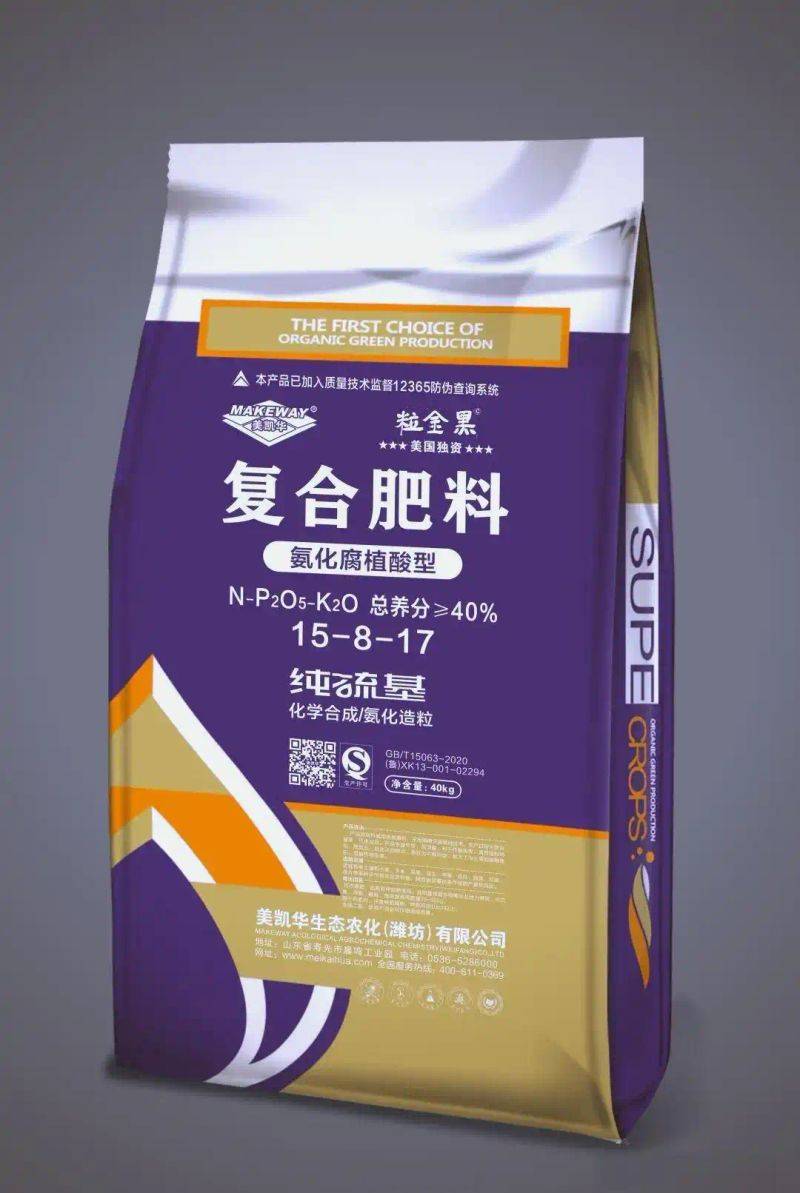
The appearance of symptoms of deficiency affects the normal growth of vegetables. Depending on the symptoms of deficiency, such as phosphorus, nitrogen, potassium, etc., the corresponding fertilizer is applied to supplement the missing elements. For example, calcium phosphate has been applied when phosphorus is lacking, and leaf spray has been performed with an iron-sulphate solution during iron deficiency。
Wetting of the sheds
In vegetable sheds, moisture management is essential. Through ventilation, cooling and wetting and rational watering. These methods reduce humidity and maintain a suitable environment for vegetable growth。
Co2 supplementary strategies
In the production of vegetables for the winter spring festival, the environmental co2 concentration is often insufficient because of the need to keep warm. As a result, carbon dioxide concentrations in the shed are supplemented by regular ventilation, the use of carbon dioxide generators and chemical reactions and combustion methods to provide adequate sources of carbon for vegetable growth。
Toxic gas protection
During vegetable production, toxic gases are sometimes produced for various reasons, adversely affecting the growth of vegetables. The hazards of these toxic gases can be effectively protected by rationalizing the planting density of vegetables, ensuring proper ventilation and taking measures such as soil improvement and safe fertilization。