


I. Shrimp management
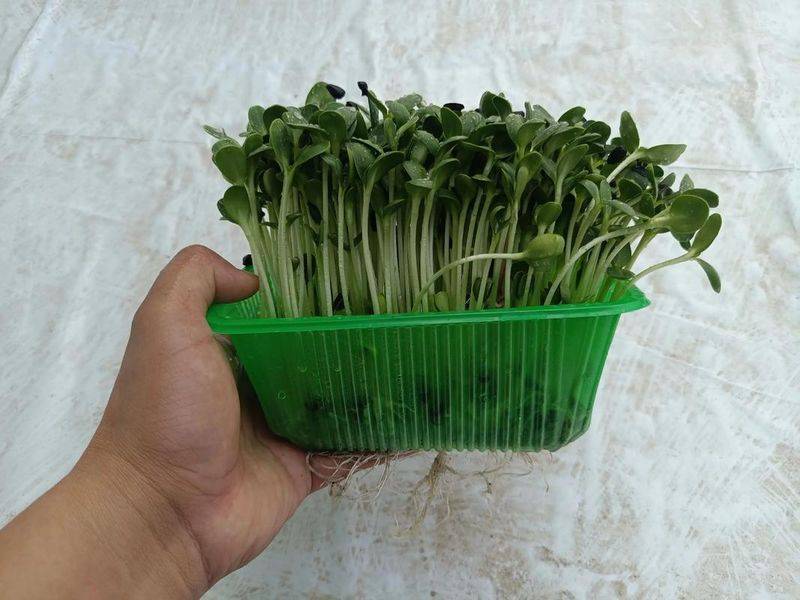
1. Replanting of seedlings: when seeding is detected, “disconnected” is marked, replanted in a timely manner, seedlings are produced, and seeds are immediately replanted with hot water to ensure full seedling。
2. Early seedlings, seedlings: in order to improve the quality of the seedlings and to grow them, artificial interspersion, seedlings, 20 cm distance for a single leaf, 500-5,500 acres and the end of the two pairs, the seedlings are required to be even, strong and non-saplings。
3 chinese tillage: early tillage, deep tillage, early tillage after seedlings are in place, with depths of 16-18 cm. Prevention of seedlings, injury, seedlings followed by a second medium tillage, combined with seedlings for artificial weed removal。
Ii. Response management
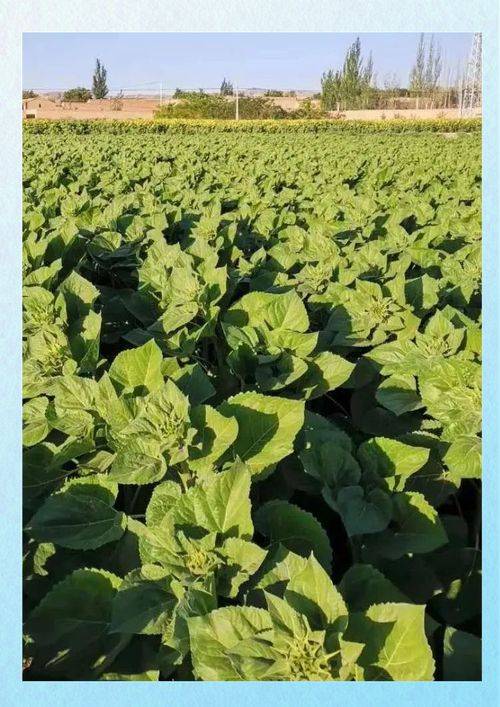
1. Cultivation of fertilized soil in chinese fields: a third stroke is carried out before and after the current mine, accompanied by fertilisation in open areas, acre urea 5-10 kg, fertilisation depth 8-10 cm and soil to the base of the oiled aluminum, creating conditions for non-stable root growth。
Water: the first water is poured at the right time and at the wrong time, the head is pumped at noon when the plant is temporarily abbreviated after the guacamole, the water is pumped in ditches, the water is poured evenly, the depth of the water is two-thirds high, and there is no water in the field。
3. Prevention and treatment of diseases:
3, 1, combat nuclei: the occurrence of nuclei disease is closely related to climatic conditions, with heavy rainfall in june-july, heavy humidity in the fields, heavy tracts, severe low-lying areas, and the prevention and treatment of nuclei disease requires an integrated approach, with a rotation of 2-3 years, without shifting with the soy and eggplant crops. Cultivation of disease resistant varieties, removal of disease strains, deep burial or burning to reduce bacterial sources, increased application of phosphorus fertilizer and increased resistance of potassium fertilizer. The modulation period allows the flowering period to avoid excessive temperatures or more than the rainy season, and 50 per cent of the fungal core is sprayed two to three times more frequently when the disease is severe。
3, 2, combat sunstery: overwatering, heavy disease in soil-humid plots, excessive nitrogen fertilizer and late or deep seeding can exacerbate the disease. The approach is based on an integrated approach, with the choice of pre-plant seeds with anti-disease seeds with a capacity of 0. 3 per cent of the amount of metre and five to seven years of rotation。
Iii. Management of flowering to seed abundance
1. Timely water injection: no drought during the flowering period and between 1-2 times depending on soil quality. The seed-formation period, which increases the weight of 1,000 grains, reduces the rate of the crust, and the critical period of the accumulation of protein and starch, should be filled with water in appropriate quantities, usually for the last time, 15 days after the final flower。
The acre was sprayed with 0. 3% bob, once in 10-15 days, twice in a row.
3. Bee pollinator: the sunflower is an insect-mediated flower crop, its pollen weight is not easily transported by the wind, and it is mainly pollinated by insects. The bee-laying increases the acetylene-created rate and increases the weight of thousands。
Iv. Access in approach
On the back of the tarcrete, the pole turns yellow, and when the upper central leaf is greened to yellow, it reaches biological maturity. Artificial harvesting is possible at this time, and the mechanical harvesting of fields is best when the 8-10-day dish becomes tan after biological maturity, and it is too late to be harvested to suffer from bird, rat or natural fallout. After the harvest, the sun is dryed, the sun is clean and the mold is prevented。



