My country's wheat cultivation dates back to the late days of the new stone age, with the first people to grow wheat in the north of the country, who have also been using wheat as their primary staple. As of today, wheat is one of the most important staple food crops in the country, owing to its drought-resistant, cold-resistant, high-yielding and adaptive characteristics, growing an area of approximately 36667 m2 per year and producing more than 130 million t. In our province of henan, wheat is the largest food crop, growing more than 85 million 667 m2 annually, with a total production of 37. 5 million t. It represents about 28 per cent of the country's total wheat production and is the country's highest area of cultivation and production, which is of great importance for ensuring food security in the country, especially food rations。
Henan province, which is a major production base for our winter wheat, is located at 31. 38°-36. 37° n and 110. 35°-116. 65° e. The province has a total area of 16. 7 million square kilometres and an area of 8. 13 million square kilometres of arable land, a continental monsoon climate of transition from warm to subtropical, with an average annual temperature of about 12. 1 to 15. 7°c, an average annual precipitation of about 532. 50 to 1380. 60 mm, a daily average of about 1,850 to 2,500 h, and an annual frostfree period of about 180 to 240 d, suitable for wheat growth and suitable for wheat weeds. In henan province, weeds in wheat fields have a large, multi-species, high density and drug resistance pattern, which is highly hazardous and has a serious impact on the productivity of wheat. Wheat fields and weeds pose an area of more than 70 per cent of the seeded area of wheat, and the loss of wheat production due to weed hazards amounts to around 30 per cent. In recent years, henan wheat fields have broken into a fast-growing, highly hazardous and challenging weed — multi-flowered rye. The introduction of grass for livestock feed and lawn in our country is due to the fact that the invasion of wheat fields poses a great risk to the safety of our wheat production. The author's survey examined the occurrence, distribution and hazards of multi-flesh grass in the main wheat-producing area of henan province, and made a number of recommendations for prevention and control responses for exchange among industry personnel。
1. Biological properties and characteristics of multiflower ryegrass
Multifast grass (lolium multiflorum lamk., english-name italian ryegrass) born in one year or more of herbs, belongs to herbs, rye, which are grown in southern europe, northern africa and small aya, and are grown in a variety of forms, characterized by rapid growth, strength, regenerative performance, resistance to medicinal agents, warm and wet climates, etc。
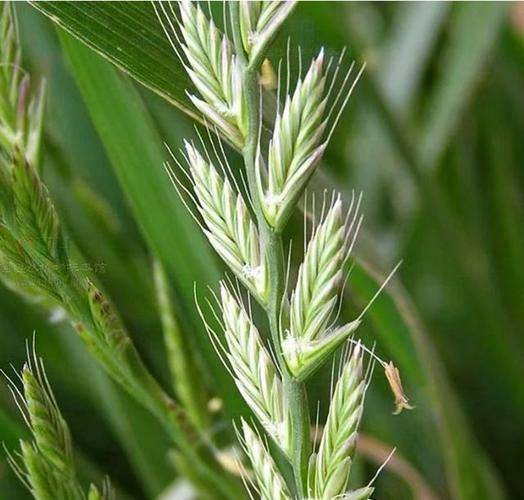
1. 1 the morphological characteristics of negrograss and wheat are the same as the herbal plants, which are very close in appearance and in seedling characteristics, making it difficult to distinguish between negrograss and wheat seedlings during seeding. The bouquet is 50 to 130 cm tall, 4 to 5 knots thinner and thicker; the raisins are looser, flatten and hairless, 10 to 20 cm long and 3 to 5 mm wide; the raisins are 10 to 20 cm long, 5 to 8 mm wide, the raisins are monolithed and flattened, with 10 to 15 small flowers; the first is degraded, the second is shorter, with 5 to 7 veins, the edge of the narrow membrane, the frontal membrane, 5 veins, and the middle is thinner, with a periphery of up to 5 mm in length, at times the upper luminous; and the inside and the outside is convectioned, with a thin pelagic hair on the ridge, which is attached to the precipital, but is easily separated. Multiflowered rye grass relies on seeds for breeding and matures almost simultaneously with wheat。
1. 2 cultivative multifrograss is a year-old herbal plant, warmer climate, low temperature, good growth around 10°c, >20°c, most suitable, saline, and good growth in soil <0. 25% salt. It is suitable for planting on the border or clay. It has a strong long-term split and renewable capacity, which can be used as animal feed for multiple harvests。
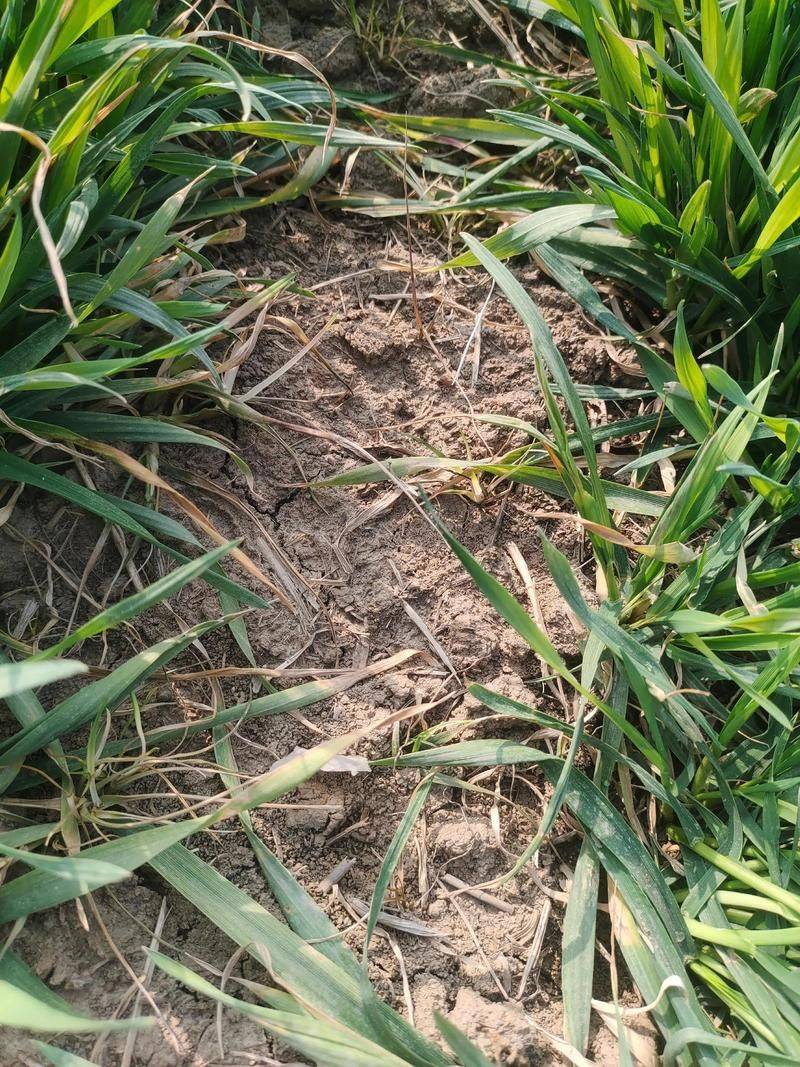
1. 3 the extent of the occurrence occurs in the xinjiang, shaanxi, hebei, hunan, guizhou, yunnan, sichuan and jiangxi provinces of the country, and most of them have been introduced and cultivated as good pastures。
1. 4 economic values, with its high economic value, are characterized by a cold-season model of good pastures with rapid growth, accommodation and high digestive rates. Multifluegrass is not only suitable for harvesting and making good-quality dry grass but also for grazing. It is also a good bait for fish farming, with the southern part of the country growing mostly by fish ponds to feed herbs。
2 hazards of multi-frozen rye and transmission pathways
A broad definition of weed refers to all plants that are grown to the detriment of human activity or to the detriment of the production site, mainly herbs, i. E., what is commonly referred to as “plants in the wrong place”, or plants that “have grown in the wrong place”. This is one such plant, which has a high economic value as a feed crop, which is important and beneficial to humans, but which, for reasons such as wind transmission and seed transfer, is very conducive to the “household” of wheat fields, the result of which is the “absorption” of wheat fields, and thus the turn of them into weeds that need to be protected。
When it entered the wheat fields, it became one of the evil weeds in the wheat fields. In henan province alone, it has a wide distribution, a high degree of occurrence, a high level of resistance and a high degree of difficulty of control. According to a follow-up survey carried out between 2018 and 2022 by the relevant units in henan province, 329,000 hm2 wheat fields were found in seven municipalities, including makoto, namyang, sinyang, pingshan, new village, zhouguchi and machu, and there was a tendency to spread rapidly to the whole country, along with agricultural practices such as mechanical harvesting and wheat graft。
2. 2 according to the agricultural technology promotion department of henan province, multi-flower rye is very productive and can produce between 1,000 and 3,000 seeds per seed (only about 100 seed seeds per wheat) and is very easily transmitted by wind because of its small and light size. In addition, poor grazing or lawn management, changes in wheat cultivation and management patterns, cross-district operation of agricultural machinery, seed transport such as wheat, and lack of awareness of anti-frozen techniques are among the major causes of the rapid spread of vermin and rye。
2. 3 growth advantages and hazards in wheat fields, with many flowers and black grass taking absolute growth advantage. The first is a high advantage, which is generally more than 20 cm higher than wheat, the second is a diaphragm advantage, with a maximum of 10 to 20 centipedes per crop, up to a maximum of 50 centipedes, and a very strong reproductive capacity, while the wheat tends to have only 3 to 5 per cent during the growing season, and the third is a preponderance of seeds, with each seed capable of receiving about 1,000 to 3,000 seeds, while the wheat generally has only about 100 seeds. As a result, there is a competition for water, fattening and space with wheat in wheat fields, which affects the growth of wheat and reduces its yield and quality. At the same time, the high and soft tubing of multi-frozen rye straws, which is very prone to fall-backs after slurry, causes a large fall of wheat, which poses a more serious threat to wheat productivity and productivity. It is therefore urgent to control the spread and harm of the multi-flesh wheat crop。
3 recommendations for protection
In the light of the above, there is an urgent need to study carefully the incidence, spread and patterns of harm and to propose effective measures. In the case of plots of multi-flower wheat grass, a reasonable distinction is made between uncultivated land, unplanted land and planted land, and timely and effective scientific control measures are taken to control the occurrence and spread of multi-flower wheat grass, which endangers the normal growth of wheat. To that end, proposals for the prevention and control of malign wheat fields are made from the source。
3. 1 physical methods of weeding
3. 1. 1 the selection of seeds requires the selection of seeds, the intensification of seed screening, the removal of seeds mixed with ryegrass and the cutting of grass seeds from their source to the wheat field。
3. 1. 2 soil tillage and early seedlings of rye grass, with a peak of seedlings under favourable conditions, should be preceded by shallow tillage, soil tillage, capable of removing most of the plume of rye seedlings that have been soiled and of effectively reducing the base number of weeds。
3. 1. 3 artificial weeding shall be combined with fertilisation during the period of wheat seedlings, or weeding shall be uprooted and taken from the wheat field for destruction before the weeds mature; weeds shall be removed from the areas around the wheat field, along the canals, etc., and weed seeds shall be avoided。
3. 1. 4 other measures: timely and thorough clean-up of agricultural machinery such as combine harvesters to avoid cross-district operations to spread weed seeds; provision of advice for the artificial harvesting of wheat and the removal of weeds, straws, shells, etc., from fields where there is a heavy crop of necrophytes; elimination of weeds along roads, floors, canals, and prevention of grass seeds from entering fields with wind or irrigation water。
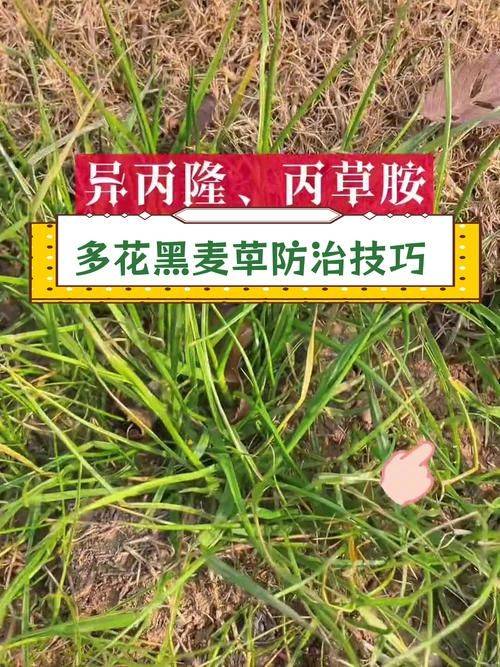
3. 2 chemical weeding by 2015, herbicides such as anacase inhibitor, e. G., e. G., e. G., e. G., e. G., e. G., e. G., e. G., e. G., e. G., e. G., e. G., e. G., e. G., e. G., e. G., e. G., e. G., e. G., e. G., e. G., e. G., e. G., e. G., e. G., e. G., e. G., e. G., e. G., e., e. G., e., e. G., e., e., e., e., e. G., e., e., e., e., e., e. G., e., e., e. G., e., e., e. G., e., e., e. G., e., e., e., e. However, as these herbicides are used year after year or repeatedly over a growing season, they result in increasing resistance to multiflower rye herbs, which becomes a malignant weed in wheat fields. Prior to the extensive use of herbicides, appropriate formulations should be selected under the guidance of the local agricultural extension department, and performance and safety tests should be conducted on a small scale to avoid unnecessary risks。
3. 2. 1 soil closed weeding is generally followed by closed treatment of the soil after seeding of wheat. Especially in fields with large amounts of multi-frozen wheat herbs, where the use of herbicide is used one week before seeding, or where the drug is registered for one year's weed prevention before or early after seeding. Soil closed weedings are carried out by accelerators and accelerants, such as fluoroaclachlor, which is used to protect wheat fields against broad leaves and weeds for one year。
3. 2. 2 weeding treatment shall be performed at temperatures above 6°c after the fourth leaf period of wheat and preferably after the second to fifth period after the seeding of multiflower rye. Weeding with many flowers is one of the weeds of the wheat fields, so we choose the herbicide that is safe, effective and registered for the wheat fields. Herbicides such as thiomers + methyldioxin, dichloroisophyllone + isopropyl are generally available to effectively combat weeds in wheat fields such as multiflower rye. For resistant fields with herbicides, the choice is to be combined with leaf treatment and soil containment agent spraying, which can act as a chain kill。
3. 2. 3 an application device shall be selected with a rod sprayer, a backpack electric sprayer or a backpack sprayer equipped with a fan nozzle. It shall not be appropriate to opt for a low-volume spray machine such as a plant protection drone, a aerosol dispenser and so forth to avoid the effects of herbicide。
4 concluding remarks
In recent years, the problem of drug resistance has become more acute with the development of small and simple farming, crop restructuring, mechanical cross-regional operations, etc., which have resulted in the accelerated turnover of our farm weed communities, complex changes in grass and the spread of the harmful weed. Multibouquets of rye have become dominant stocks in henan's horse shop, jiangsu jinning, shandong city and the winter and spring wheat districts. It is therefore imperative to incorporate the evil weeds, such as the black weeds, into our major pests and pests, to strengthen the basic research on weed prevention and control, to improve early warning systems and to have complete dynamic information on the occurrence and growth patterns of the many weeds in the wheat fields, and to accelerate the screening, registration and control of the anti-control agents in response to the resistance of the weeds, and to take effective and effective physical and chemical preventive measures to ensure the high yield of the country's main crop wheat and ensure food security。