


Orange infarction is a multi-year plant with roots and is known as a flower of burden, a bell, a monk, and an orange incontinent. It is a commonly used chinese medicine, which is available at the root, and has the effect of coughing, pulmonary publicity and septicism. It is grown in the northeast, north china, east china, central china and guangdong, north guangxi, guizhou, south east yunnan, sichuan and shaanxi。
It's cool, it's cold, it's sunshine. In hilly areas below 1100 metres above sea level, half-enormous sandy border soil is better grown with a neutral patch of phosphorus-rich potassium fat, with a seed life of one year, a seed bulge rate of 70 per cent, with sufficient temperature at 18-25°c, and seeding around 15 days after seeding。
I. Holding and holding
Orange infestations are suitable for growth in looser soils, with the precipitous slopes and mountains best served by a half-mud, with good drainage conditions for flat cultivation. Orange infarction is not appropriate. Orange infarction has long roots of meat, usually in the form of high-strength cultivation. In the early spring (mid-april, late) fertilized farmers have been fed 15 kg of calcium phosphate with composting of about 2,000 kg per acre, flattening the ground to the ground (30 cm deep), dredge, flattening and opening to 140 cm wide, for seeding。
Ii. Sowning
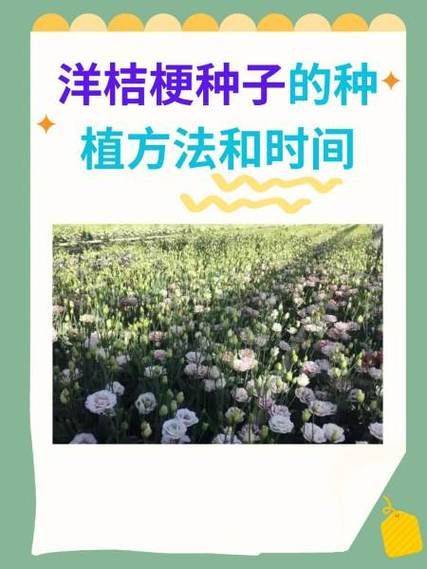
Seed harvesting: the selection of high-yielding plants to be planted in late august will remove the rags from the side branches, concentrate nutrition on the development of the upper central fruit, contribute to the abundance of seeds and improve their quality. The seeds matured in september-september, and when the skin of the fruit turned yellow and green, the seeds were tanned so that the plants could be harvested and the plants could be cut down, dried in the ventilated areas and dried out of the grain. It is usually broadcast live, which also allows for the planting of seedlings, with a higher output than that of the plant and a low level of fork. It can be broadcast in autumn, winter or spring for the best。
Seed treatment: in order to promote the early seeding of seeds, seed can be immersed in hot water by seeding them at 50°c, then stir them up to cool and soak them for another eight hours, removing the seed packs in wet brie, around 25°c, with wet sacks on them, and pouring warm water once a day in the morning and once in the evening, and planting can take place after about five to six days until the seed starts。
3 seeding time and seeding methods: oranges can be soaked in the spring and in the autumn; they can be sowed on a plentiful land; they can be soaked in the ground; they can be soaked in the dredges; they can be soaked into a 200-250-centimetre high plating; they can be sowed with 20-fold compost before seed is sowed; they can be soaked with a 20-25-centimetre stretch across the compartment; they can be soaked in a ditch; they can be soaked in the ground that they are not seen; and then they cover a layer of crop straw. The seedlings were gradually removed when they were released, with a planting capacity of about 0. 5 kg per acre. In order to save seedlings, seedbeds can be ploughed before planting, with each acre being applied to a compost of 1,500 to 2,000 kg, with the repeated dredges flattening, open into two metres wide compartments, with a ditch of 25 cm deep, and a pellets of ground to be shredded, so that the seeds mixed with composts can be spread evenly on the surface of the acre, with 1 to 1. 5 kg being planted per acre. After planting, weeding and watering began to germinate for about 15 days, distilling herbs, creating an inter-sapling seedling when she was 6-7 centimetres tall, removing weak and dense seedlings, removing weeds and chasing light human and animal dung, 1,000-1500 kg per acre and applying 2-3 times。
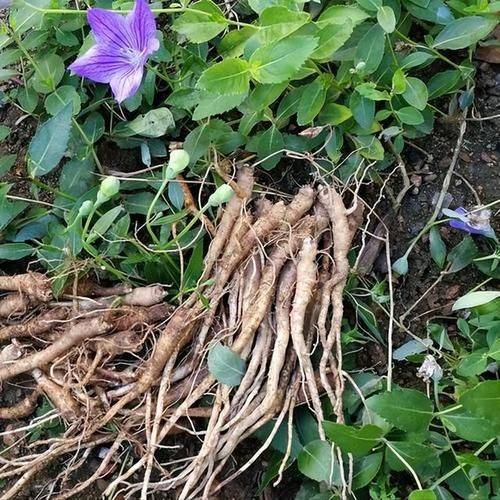
In november of that year or march of the following year, seedlings were able to replant their roots before the new sprouts were born, to push up the land by 20-25 centimetres, compressing about 1,500 kilograms per acre, calcium per phosphate by 25 kg, levelling the earth's dredges, opening two and a half metres of compartments, cutting the roots before planting, cutting them apart by large, medium and small, cutting them apart, 20-25 centimetres and 10-20 centimetres deep, placing the roots straight in a ditch, with a distance of about 10 centimetres, germing the head upwards and covering the soil, requiring that the soil be sprinated three to six centimetres above, then opening a ditch after a row, and covering the soil in the previous ditch in such a sequence。
Iv. Field management
1- saplings: when the sapling is 3-4 cm high, the sapling is required at 10 cm range to remove thin and dense seedlings and to compensate for the lack of nesting。
China shall weed the grass: when the seedlings are combined, the soil shall be dried for a little while, and the pine soil shall be weededed, and the fields shall be protected from weeds until the plantations are closed。
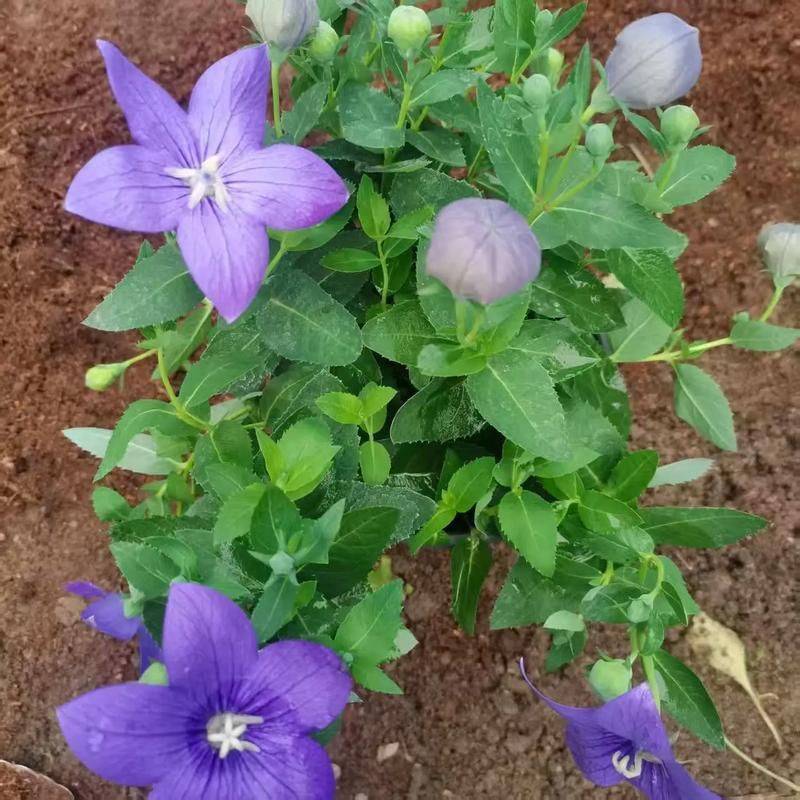
3. Following fertilizer: when a seedling is 6-10 cm high, it is expected to be followed by a thin human and animal dung of 1,000 kg, with urea of 6-8 kg per acre and calcium per phosphate of 15-20 kg. Potassium is applied once in winter. In the following year, 1500 kg of human and animal urine and 8-9 kg of urea or 20-25 kg of calcium perphosphate were applied and fertilized to the ground。
Tops: tops are an increase in production, taking out sprouts when the remaining orange seed is 10-15 cm tall, promoting multi-swidth branches, multi-flowering, and full seeds, and removing all unsown plants in order to ensure concentration of nutrients and increase root yields。
Harvest: the harvest is carried out in the second year after seeding or transplantation, usually from september to october, when the upper part of the ground is dead, the harvest is harvested, the leaves are cut off, the roots are dug out, the roots are removed, the earth is quenched and the fresh roots are usually more than 1,000 kilograms per acre, allowing for the production of about 250 kilograms of dry products。



