I. Varieties selection:
The selection of varieties requires a disease-resistant, anti-smoking, shell-shaped, with fewer leaves bearing approximately 1. 5 kg of ball weight and 60 days of childbearing。
Ii. Cultivation of seedlings, landscapes and plants:
1. Cultivation in due course: 60 days of live production of cabbage, 12-18 days of nursery age, 53-55 days after planting. Seeds can be seeded, with different planting periods, planting periods and listing periods at different altitudes。
Seed disinfection: in order to prevent seed larvae, 30 minutes of immersion with warm water of 55°c, cleaning with water, drying and planting。
3 in the field, the choice is for deep earth layers, strong fertility protection, well-watered sandy or bordered soil to tan before planting, to tan, to tan (in the mornings), to tan (in the mornings), to be wide by 60 centimetres, torn (in the mornings) by 33 centimetres wide, to open a ditch in the middle of the night (in the mornings) by 33 centimetres wide, to be deep by 10-13 centimetres, to be fertilized in the trenches (fullly decomposed cow manure 2500 kg, 45 per cent of a complex of 150 kg/acres, to be covered by machinery blocks, to wait for rain, to drag a roller, to put a membrane, to be ploughed with a long line, 40-43 cm wide, to be grown in two rows, and to plant 3,600-3700 per acre。
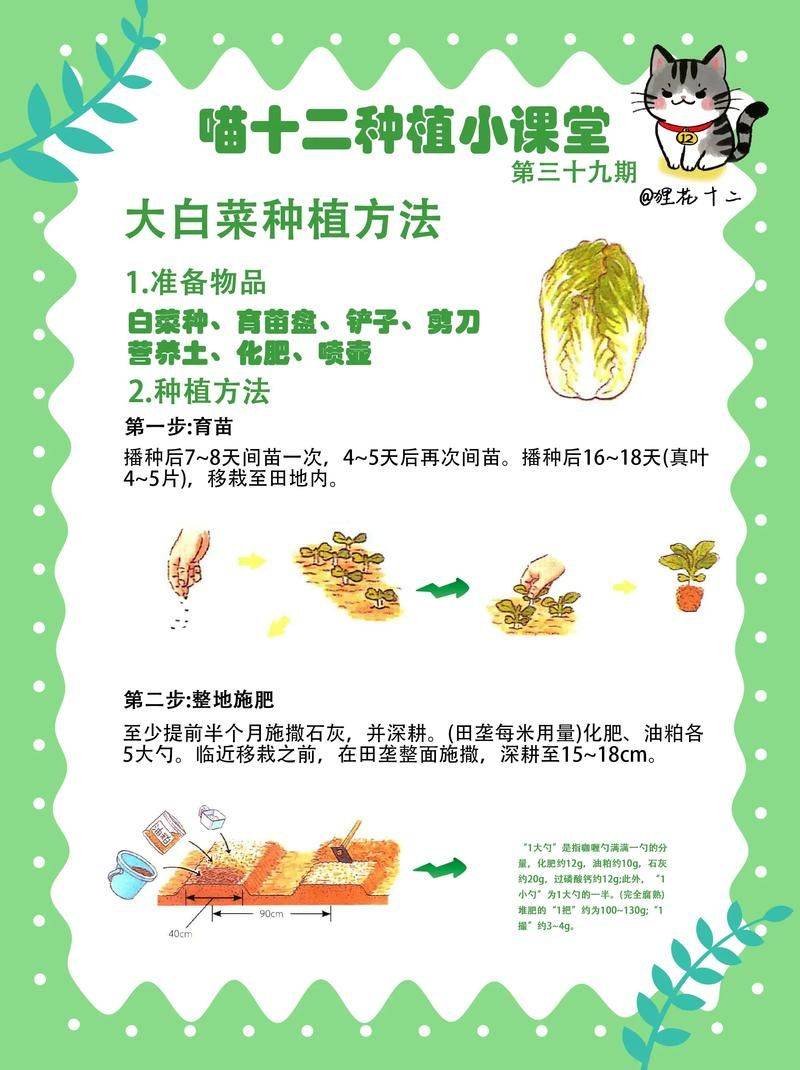
Seeding: the seeding method is divided into seedlings and live. There are few seedlings, small nursery beds, easy to manage, and some former land conflicts that cannot be collected in time can be overcome. Live roots are well developed, drought resistant and fast。
(1) cultivation of the nursery: the cabbage is nourished by the seedlings. First select the position of the seedbed and level out, the nutrient soil consists of ash and 2 per cent phosphorous fertilizer, and 350-400 kg of ash in acre. When the soil is well-fed (hands held in groups, loose) the water is pumped with water, the gentiles are used to prepare the nutrients and the nutrients are placed in nursery beds. Usually, a seed is soaked with a nutrient, when it is soaked, then sprays water evenly, and eventually inserts an arch stand, both of which are lower, about 20 centimetres high, and then seals the whole nursery with a plastic membrane, which, when the seedling comes out, opens only two low membranes during the day and covers them at night. Be careful not to lose moisture, and if drought of seedbeds is found to supplement a small amount of water. In the late five to six days, when the seedling age is about 12 to 18 days and the plant grows to three leafs, it is timely to plant the nutrient in daejeon。
(2) live: once the field is complete, the field is ready to be broadcast, with one or two seeds planted in each den, with a small amount of pyroclastic soil, followed by herbicides such as ethylachlor before sprouts。
Cultivation: after the rainy day, when the soil is plentiful, the roots of the soil are laid down, the root soil is pressed slightly, the root water is watered, and a layer of dry soil thinness is filled around the hole, reducing the evaporation of evaporation and gas damage to the stem。
Iii. Field management:
1- saplings, weedings: when a live cabbage sows a seedling, it usually removes the excess seedlings, the sick seedlings, and leaves only one good seed. Clearing of weeds in and around fields。
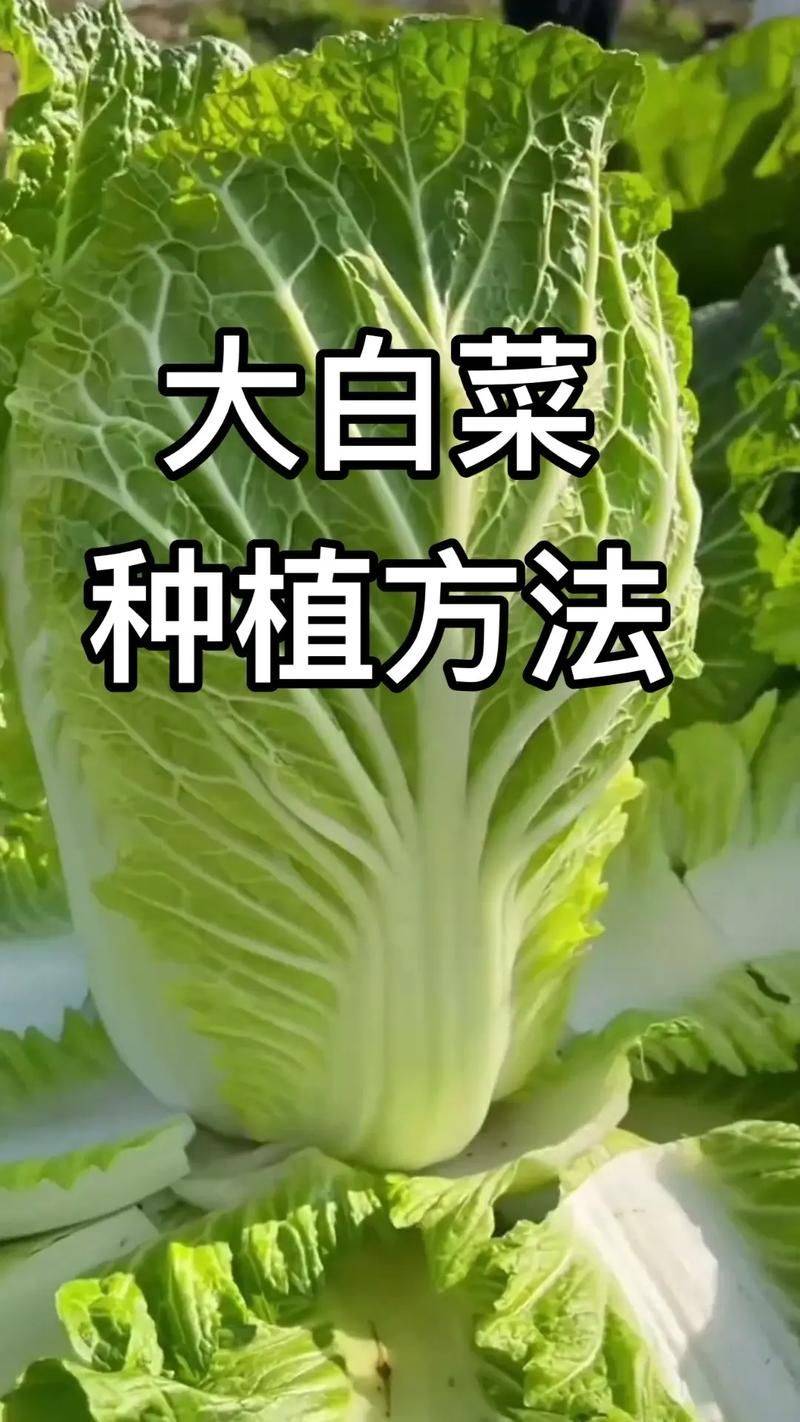
2. Fertilizer management: highland cabbage does not need to be followed as long as it has sufficient base fat, but it can be followed from the outside and from the leaves, depending on crop dynamics. The weight before fatting is lighter before the root: when two or three of the real leaves come out of the large cabbage live, or when planted alive, when 10 kg per acre of potassium sulphate complex fertiliser is applied to each of the two plants, and when the ball is condensed, the application is increased by 15 kg per acre of potassium sulphate compound fertilizer. Leaf-faced fattening: leaf-faced application of organic fattening, which supplements the absence of trace elements and increases plant resistance to disease. One in 15 days and two in a row. Spraying cannot be combined with other pesticides and fertilizers。
Iv. Pest and pest control:
The integrated agricultural response to the pests of cabbage disease, which is primarily preventive, consists mainly of exchange with non-crucial vegetable rotations, freezing of deep-tilled soil during winter, adjustment of soil ph values, as well as lime treatment, addition of bottom fats with sufficient adult cow manure and potassium sulphate compound fertilizer, attention to the supply of trace elements such as calcium, boron and zinc; selection of resistant varieties, planting at appropriate intervals, management of nursery periods, and breeding of seedlings. Strengthening of field management: rational planting, installation of drainage and irrigation systems, prevention of water accumulation in the field; pest prevention, use of frequency-fibrous brake lamps. Clean the fields, remove the strains in time, take them out and destroy them, so as to sow lime around the pits, and clear leaves left over the fields after harvest。
1. Frostosis: 72% g of lwetable powder can be sprayed 600 times at a time, with a focus on medium- and lower-leaf blades and the back of leaves to improve the efficacy of the drug。
2 soft decomposition: 72 per cent of agrococin 5,000 times, spray once at the beginning of the onset。
3. Swollen disease: 100 kg of peliostery in field acres, shifting and switching。
4 black spots: 75% of the 100 microbacterium can be used to clean humid powder 500-600 times the spray once。
Underground pests: 50-100 kg of groundworming in acre with raw lime。
6. Moths, larvae, slashed night moths, leaf flies, jumper: biopesticide bt wettable powder 25 g down 500 times the fluid spray once。
V. Corrections:
The cabbage can be harvested when the leaf ball is solid, and seeded at different altitudes and at different periods, with different reproductive periods, generally 55 to 60 days after planting. Large cabbage sold in bulk on the market must weigh more than 0. 5 kg, 2. 5 kg per ball, be solid, have a shell, have no disease, have no worm eyes, have no broken leaves and have equal size。