


Use of chinese medicine orange infarction
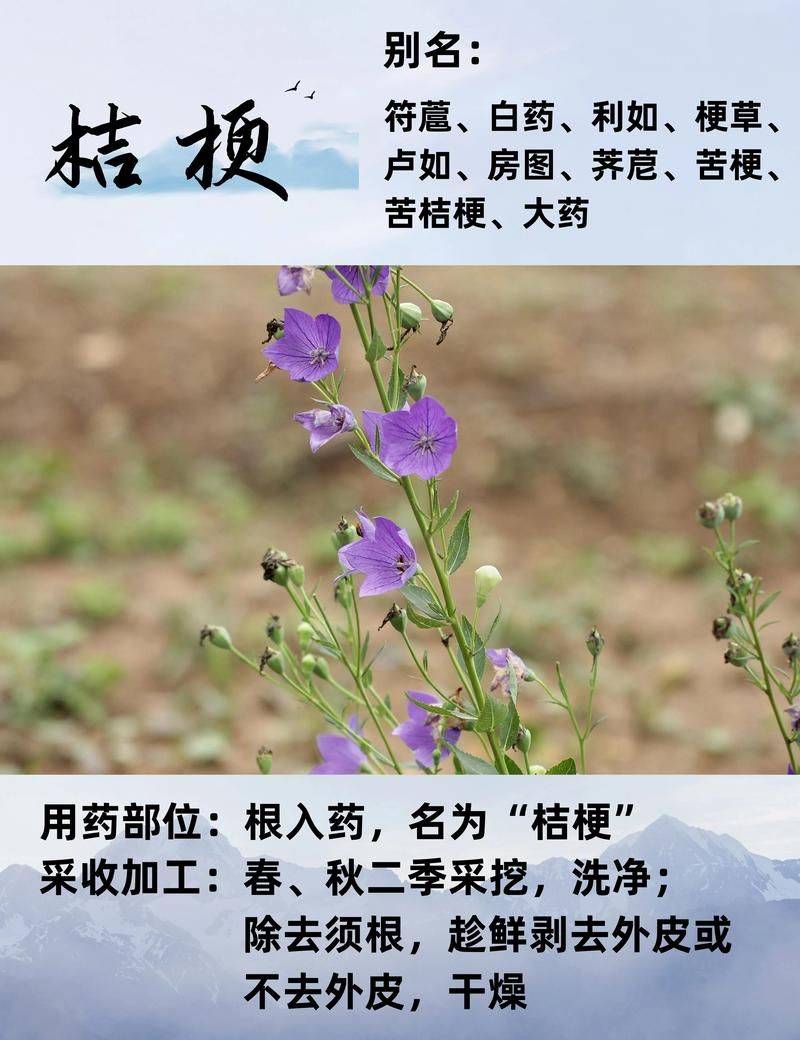
Platycodon grandiflorus, a multi-year herbivate of orange infarction, has dry roots that are commonly used as chinese medicine and have multiple uses:
Value of medicines
Efficiencies: orange infarction irritating, pulmonary, pneumoconiosis, leading to external coughing, coughing, throat pain, bronchitis, etc。
Component: active ingredients containing orange soap, sugar, and acetone compounds, which are resistant to inflammation, coughing, increased immunization, etc。
Value of food
Orange root can be pickled, especially in korean diets, with a soft taste and a medical diet。
Value
Orange incarnations are bells, mostly blue purple or white, with long flowers (june-september) suitable for gardening or cut flowers。
Detailed techniques for planting oranges
I. Holding and holding
Soil requirements
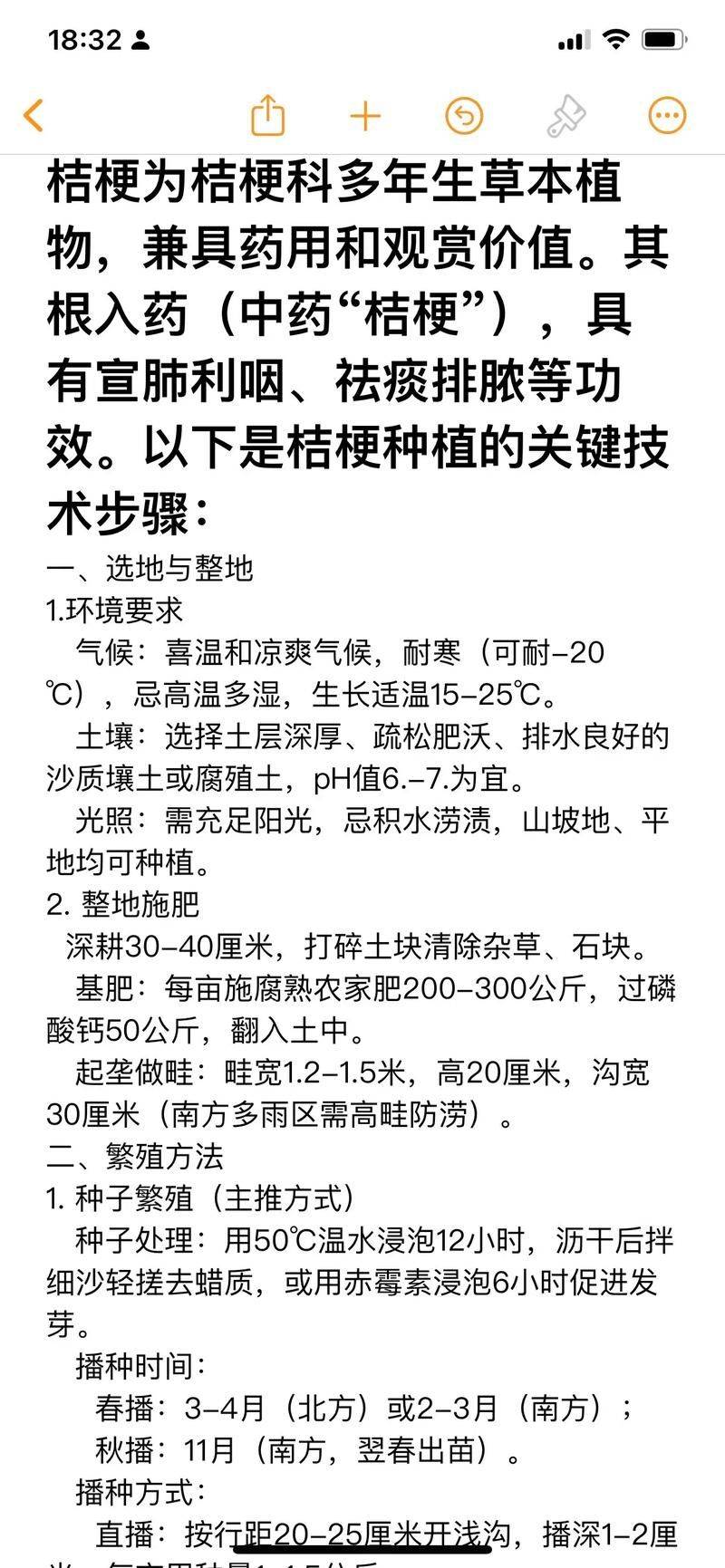
It would be desirable to select sandy or corrosive soils, which are deep in the earth, estranged and fertile, well drained, and to avoid low-lying areas that are adhesive or susceptible to water accumulation。
Fertilizing the whole place
Per acre application of decomposed organic fertilizers (e. G., soil fertilizers, fertilizers) 2500-3000 kg, combined with calcium phosphate 20-50 kg, compound fat 50 kg, deep ploughing of 30-40 cm and flatting of tungsten (1-1. 5 m wide, 15-20 cm high)。
Ii. Reproduction patterns
Seed multiplication (live)
Seed treatment: temperature water (50°c) immersed for 8-12 hours or sterilised with 0. 3% potassium permanganate for 4 hours, followed by seeding to the onset。
Seeding time: spring (march-april), autumn (october-november) and winter (november-january) are better, early and well organized。
Seeding methods: 15-20 cm long, 1-2 cm deep, light pressure behind thin ground. Acreage of 1. 5-3 kg。
Implantation
Cultivation of acres for 4-6 months, 10-12 kg; transplantation of a year of straight seedlings, tilted and implanted (15-20 cm in length)。
Iii. Field management
Saplings and seedlings
The first seedlings are 3 to 5 cm tall, 10 to 12 cm are seeded at 6 to 10 cm range, removing the seedlings and diseases。
Weed cultivation in china
Artificial weeding during the period of seedlings makes it light to avoid the root damage; tillage stops after sealing。
Fat management
Follow-up of urea or human urine during seedlings (1500-2000 kg/acre); increased phosphate fattening during flowering (e. G. Potassium dihydrohydrophosphate); application of organic fertilizers and soil preparation before winter。
Harvest control consumption
Artificial removal of buds or spraying of ethylene (0. 1% concentration) to reduce nutrient consumption and promote root growth。
Drainage and flood control
During the rainy season, ditches are drained in a timely manner to avoid the accumulation of roots。
Iv. Pest management
Root rot
Rotation, soil disinfection (spray or polybacterium) and the rooting of polybacterium with 1000 times more liquid after the onset of the disease。
Powdery/plainosis
Spraying of pollinating, polybacterial or bordox (1:1:100)。
Pests (aphids, aphids)
Aphids are treated with 1,500 times more liquids than oxidated oxidated oxidated oxidated oxidated oxidated oxidated oxidated oxidated oxidized oxidized oxidated oxidated oxidated oxidated oxidated oxidized oxidated oxidated oxidated oxidized oxidated oxidated oxidated oxidated oxidated oxidated oxidated ox。
Collection and processing
Collection time: fall leaves die after 1-2 years of planting yellow time (in mid-october) poached, fresh roots shaved and dried。
Production: acre dry products 280-400 kg, with a high yield of 1,500 kg fresh root。
Economic benefits
Acre earnings: the conventional acre production of dry goods is about 350 kg, with an acre yield of 20 to 30,000 yuan at a market price of 18-24 pounds。
Caution: avoid association, suggest rotations with grasshopper crops and reduce the risk of disease。
(data information, for reference only)



