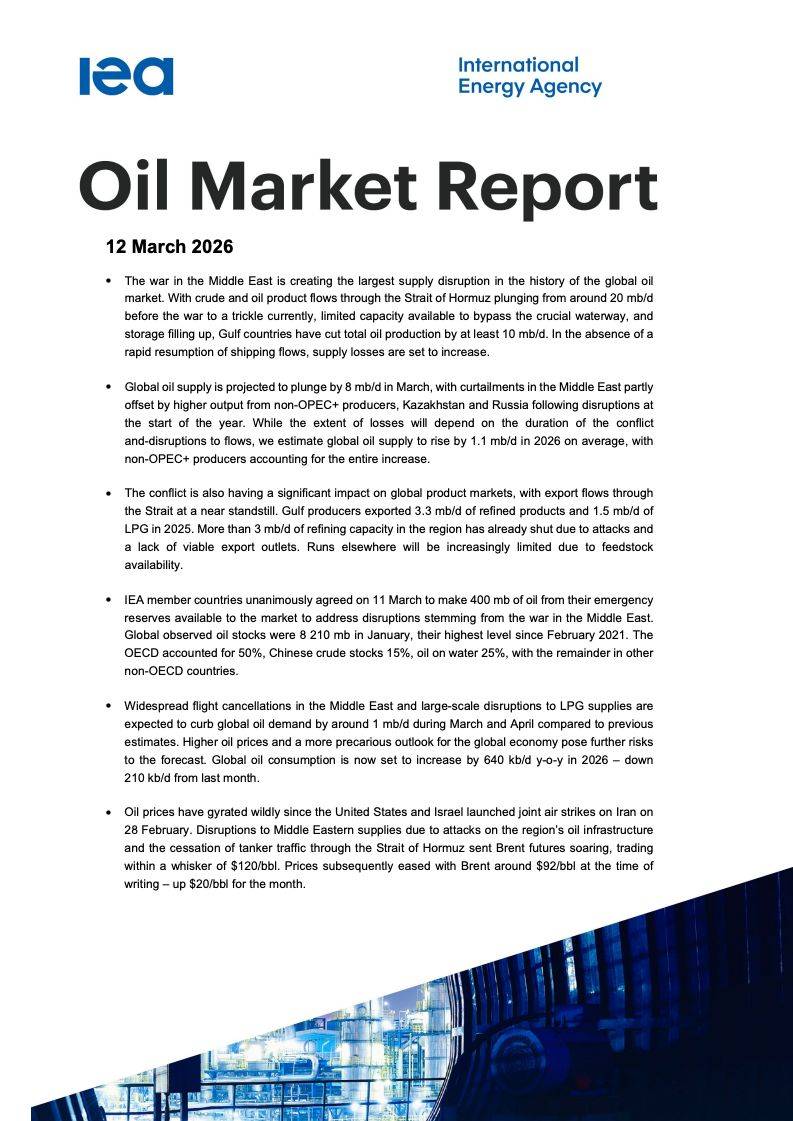
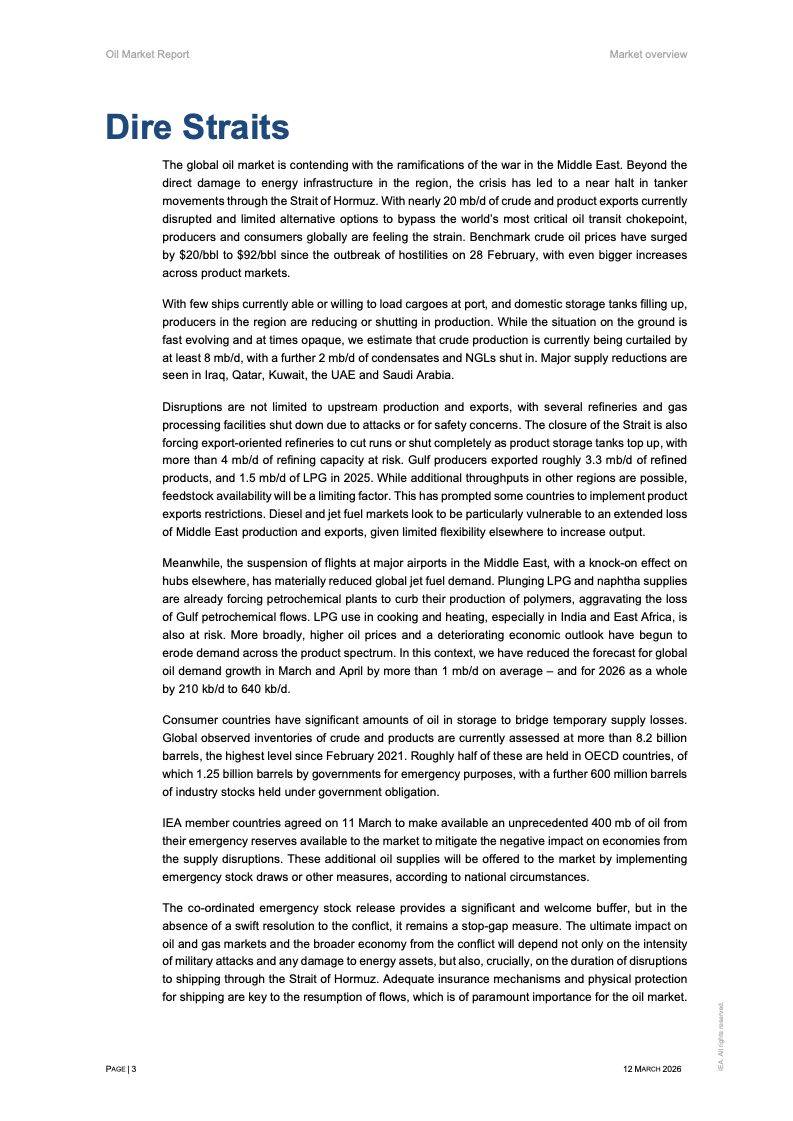
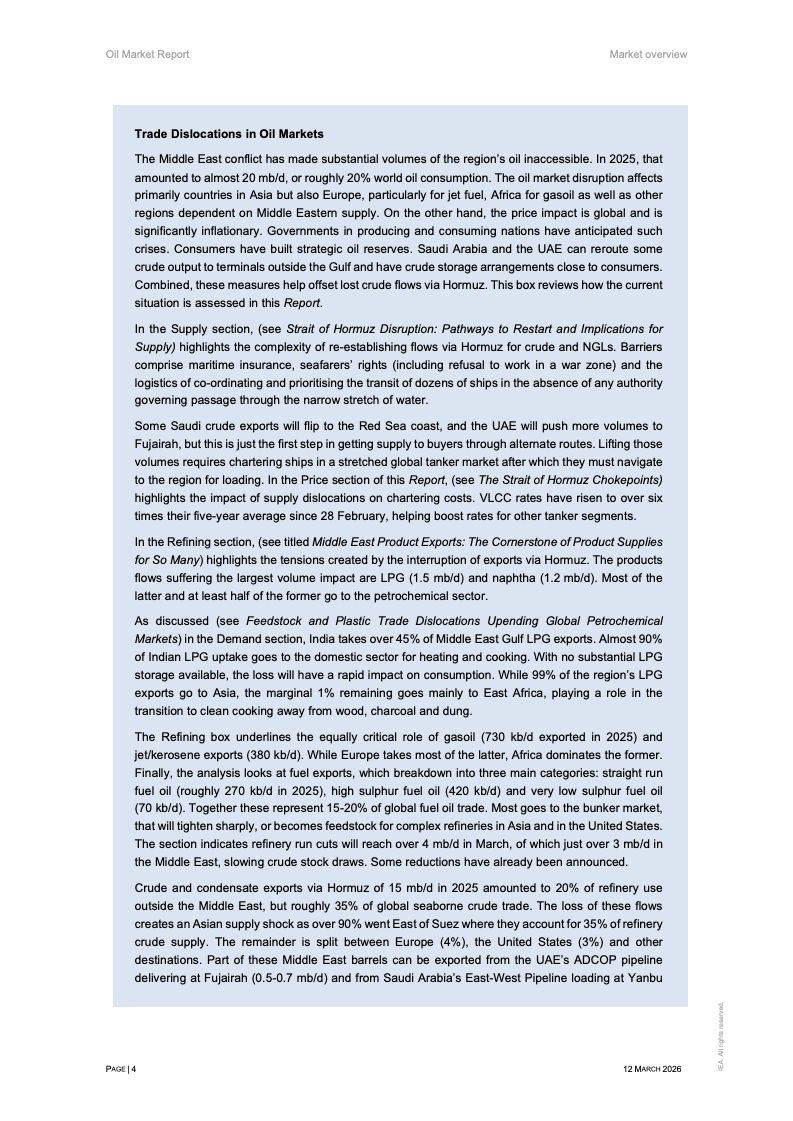
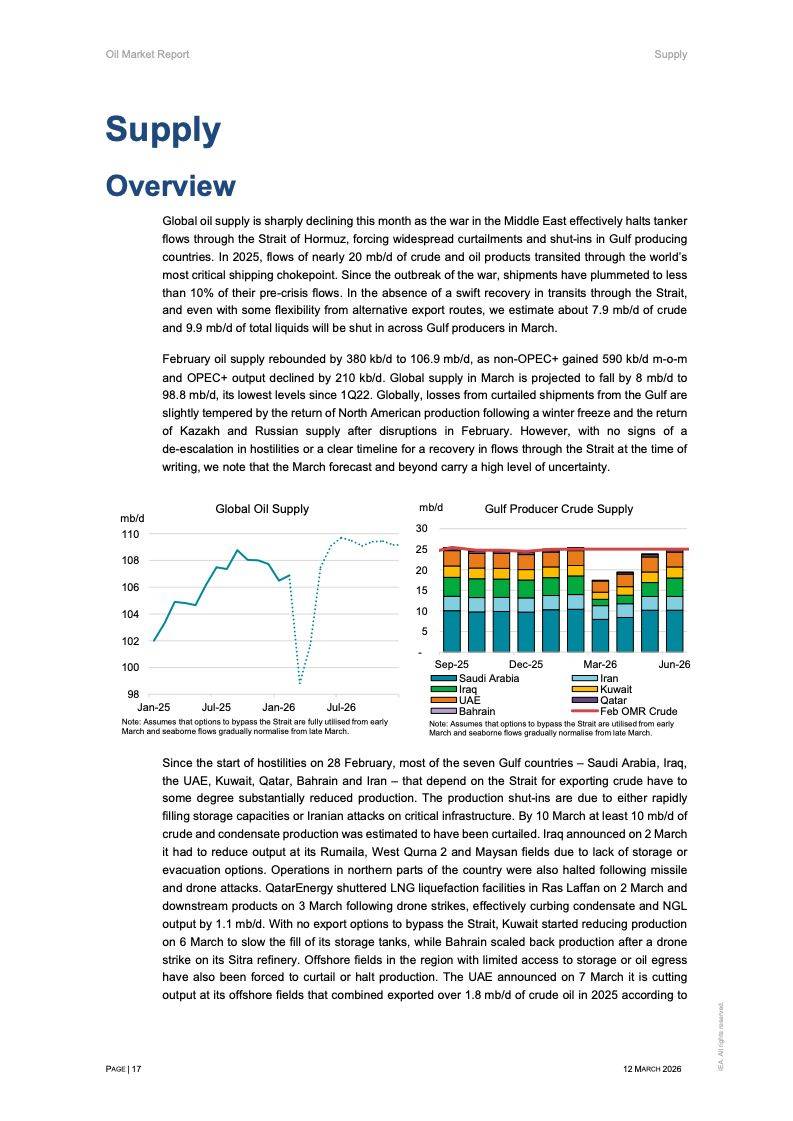
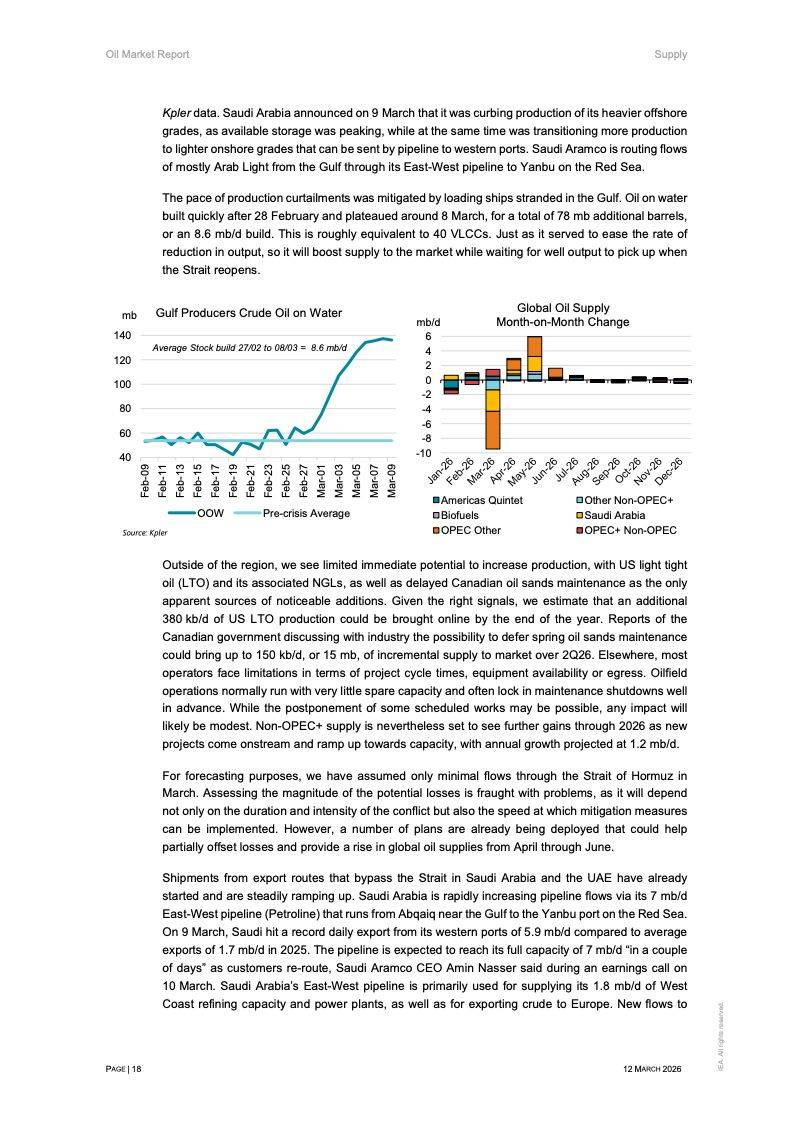
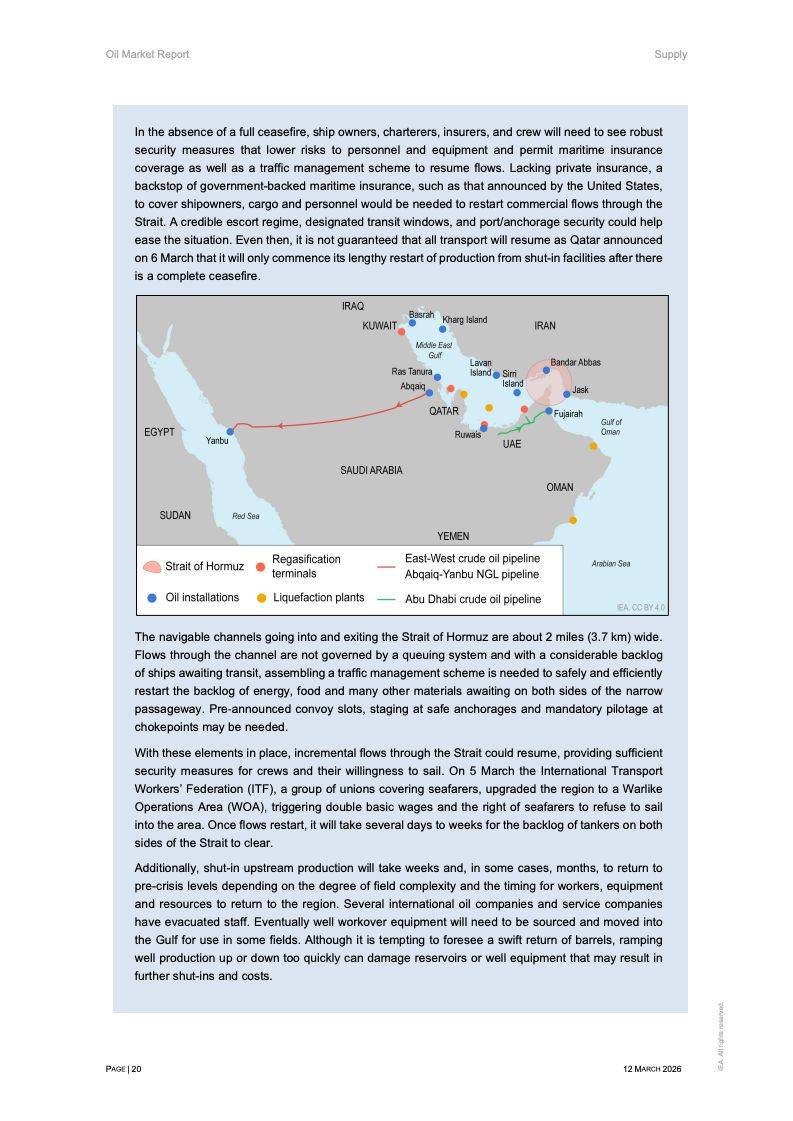
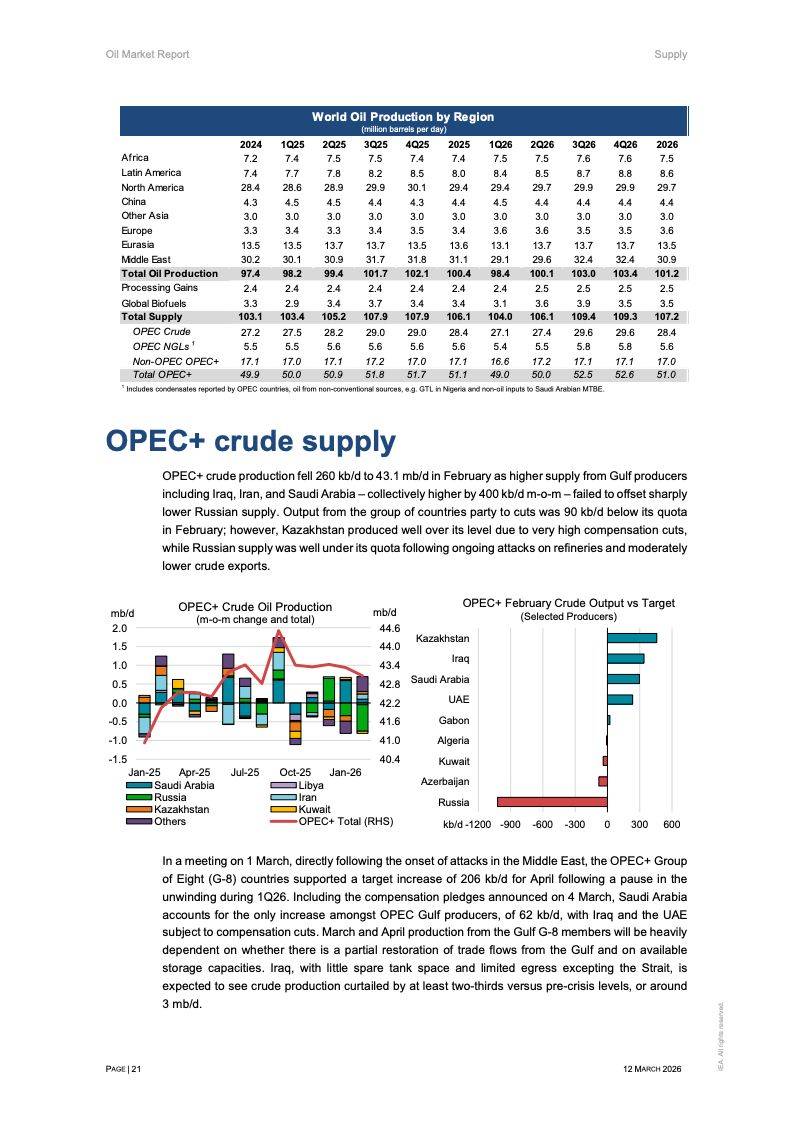
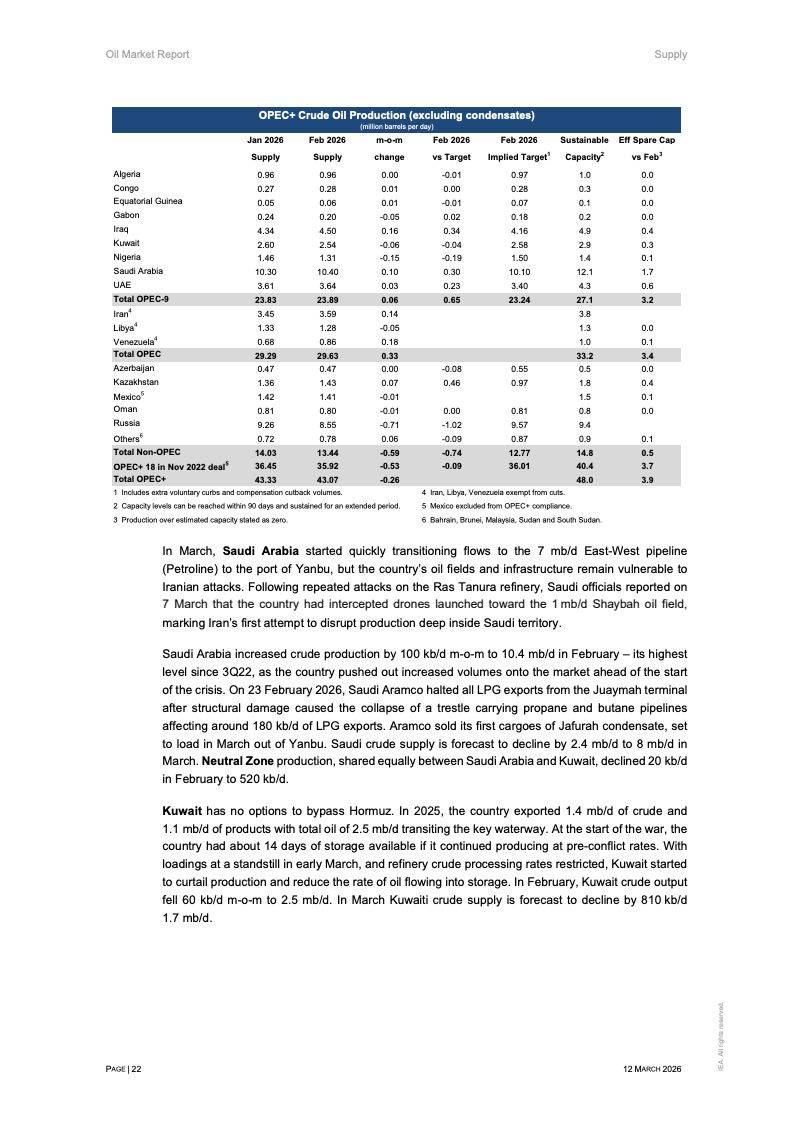
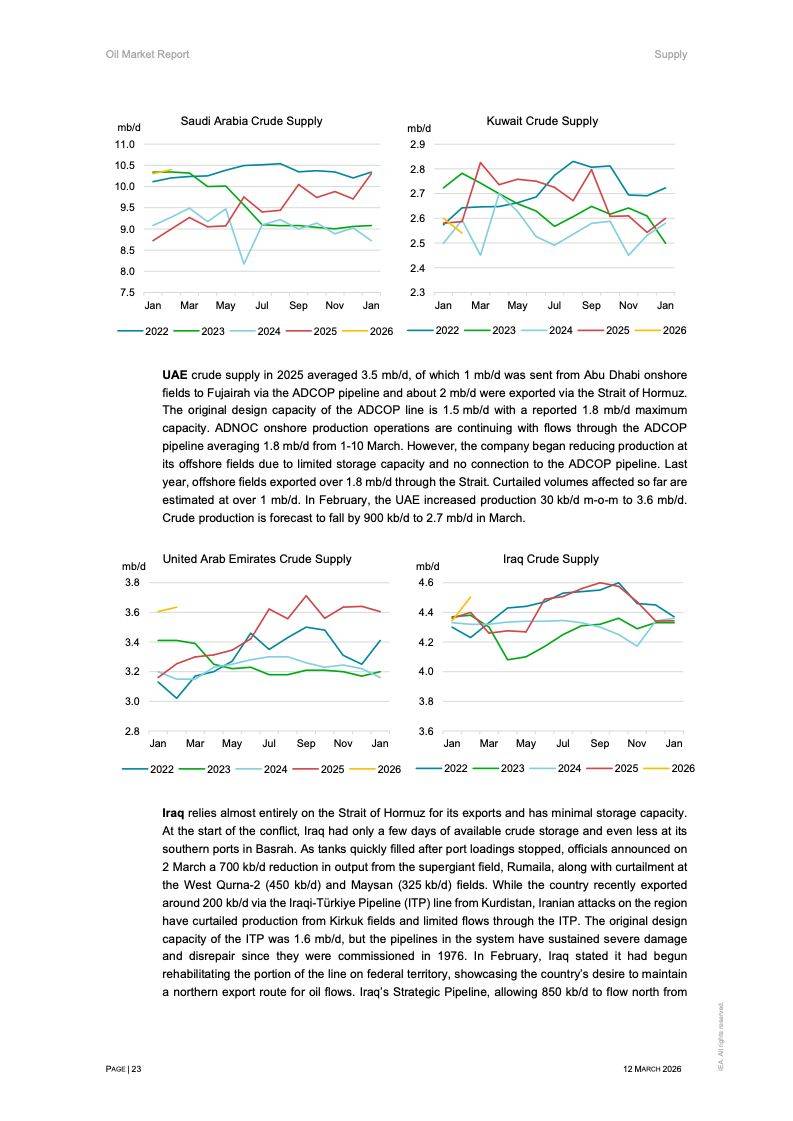
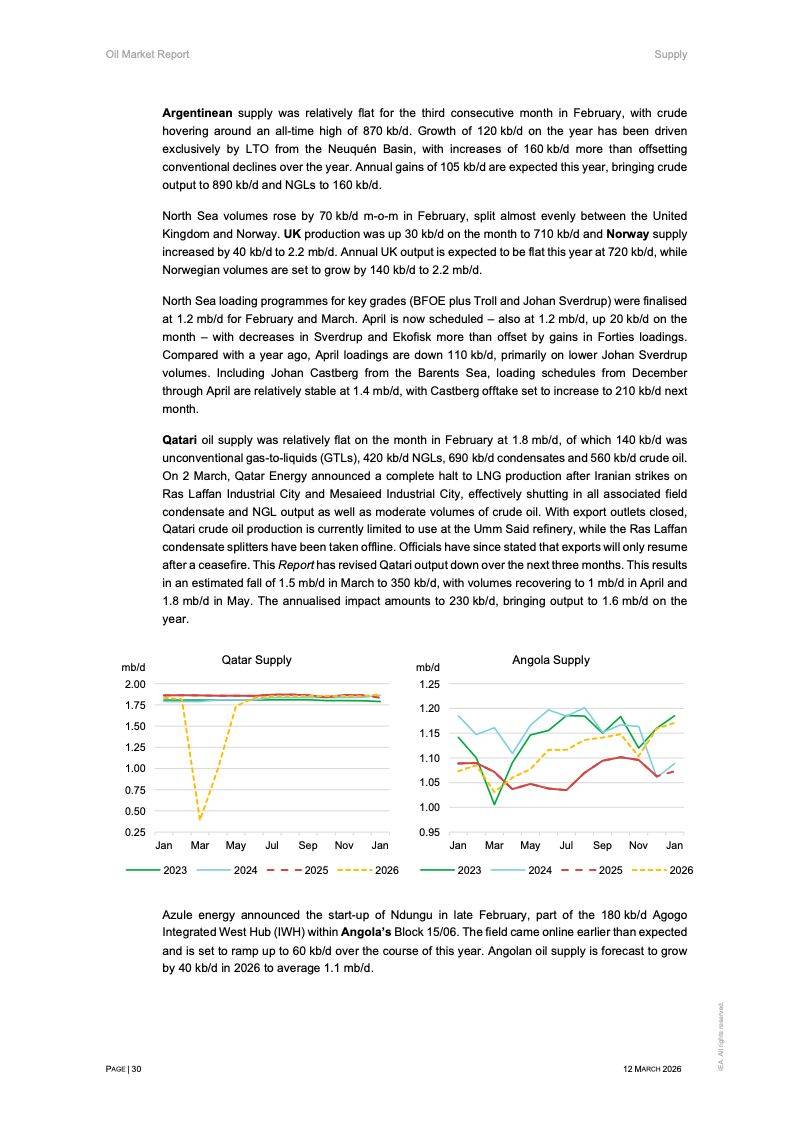
The conflict in the middle east is triggering unprecedented supply shocks to the global oil market, with almost 20 million barrels per day of transport in the straits of hormuz almost stagnant and the flow of oil, which accounts for about 20 per cent of the world's total. Under the double pressure of restricted export channels and rapid accumulation of stocks, the gulf states were forced to reduce crude oil production by at least 10 million barrels per day, and to fold condensate oil and liquefied gas off, leading to a systematic contraction in supply. As a result, the global oil supply is projected to decline by 8 million barrels per day in march 2026 to about 98. 8 million barrels per day, a low level since 2022。
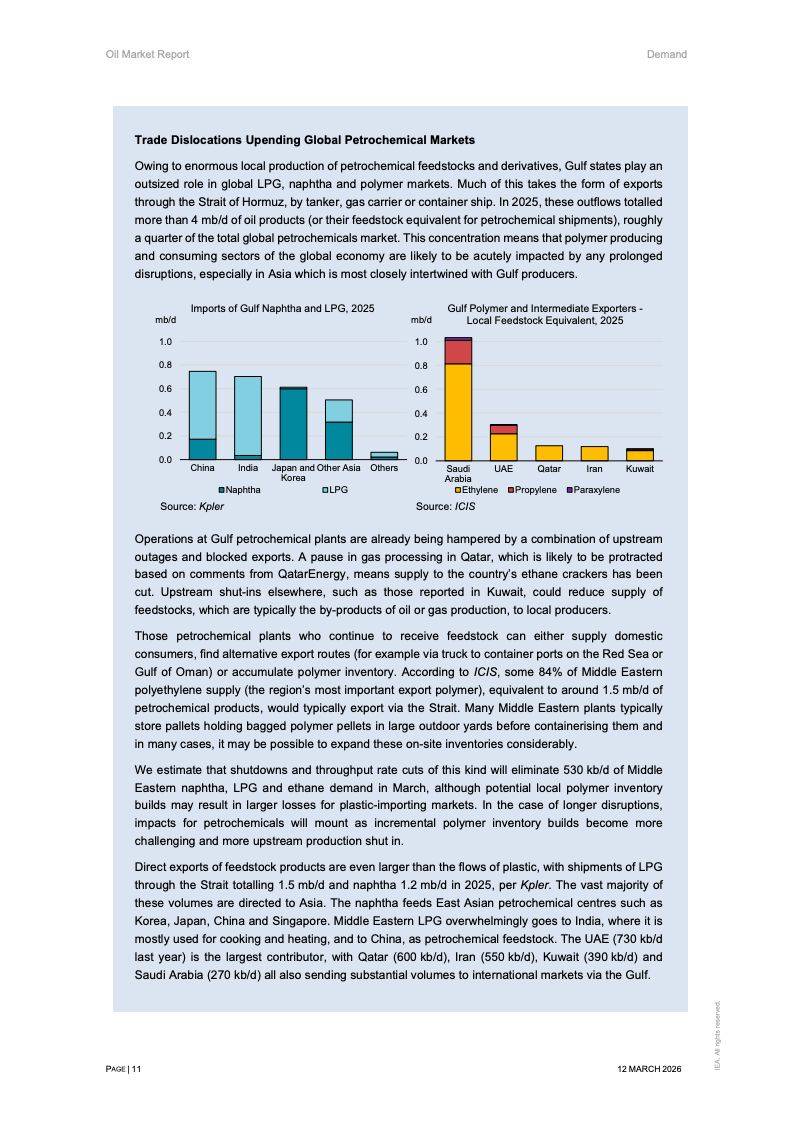
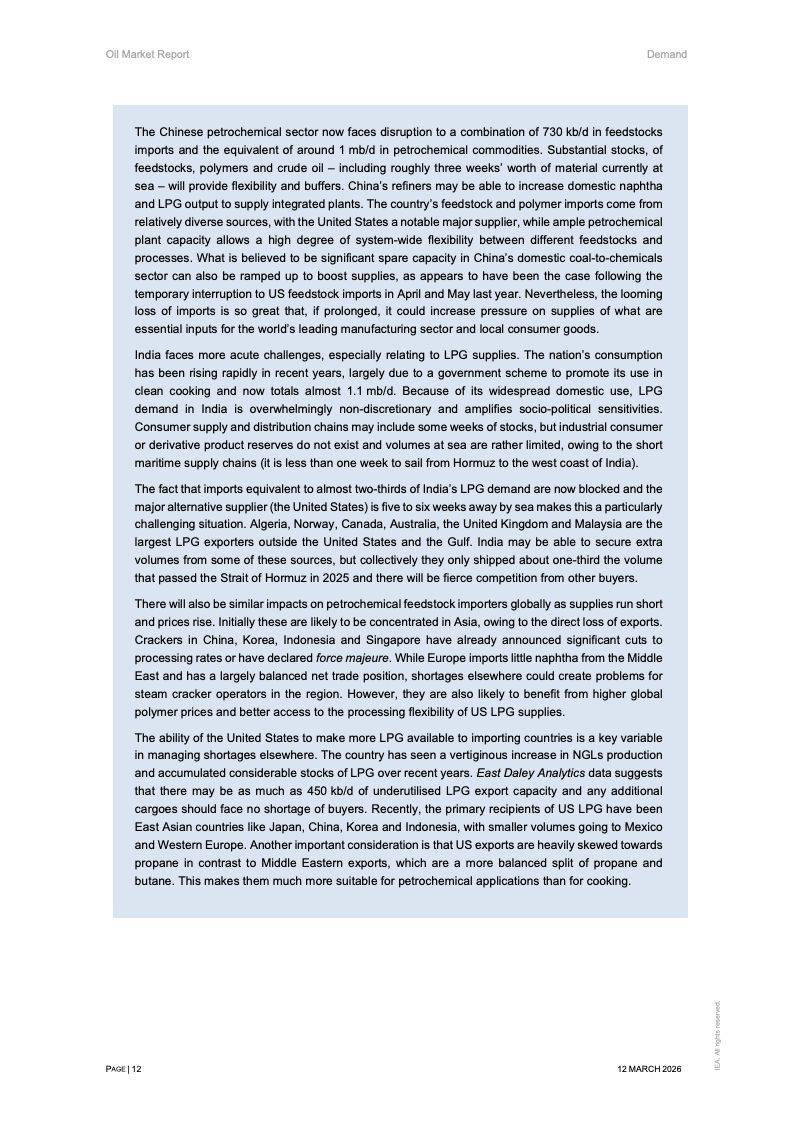
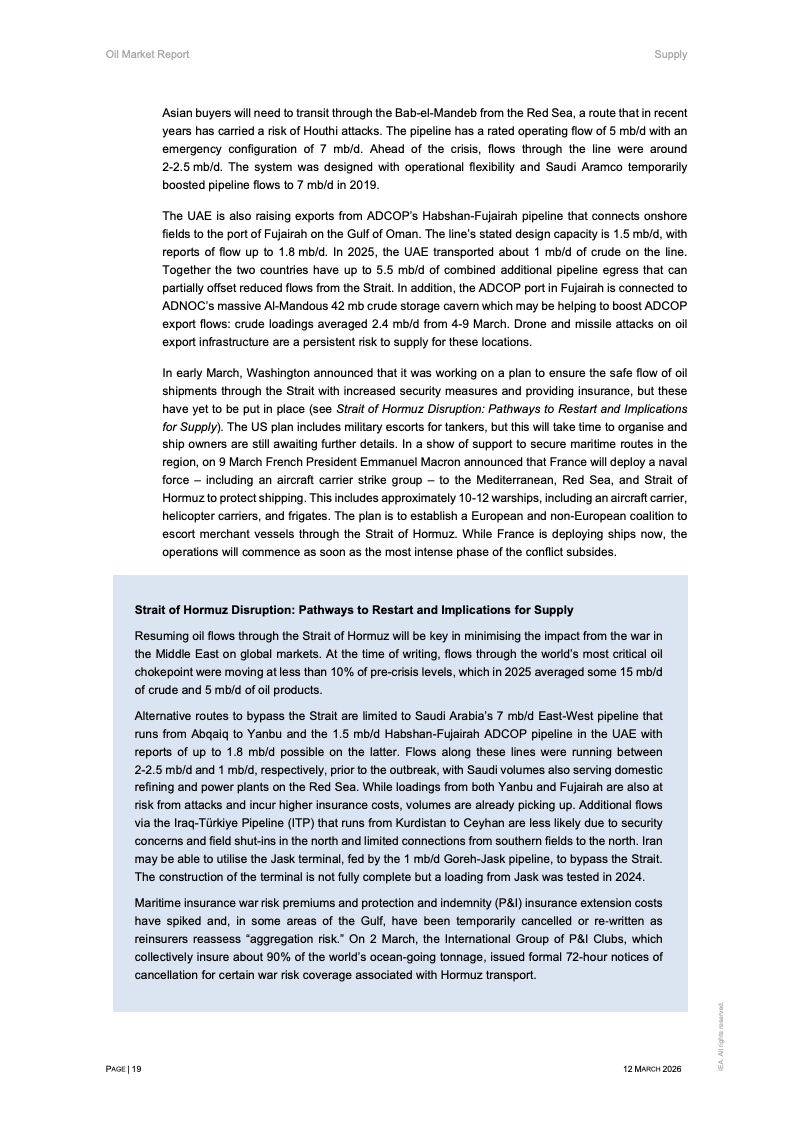
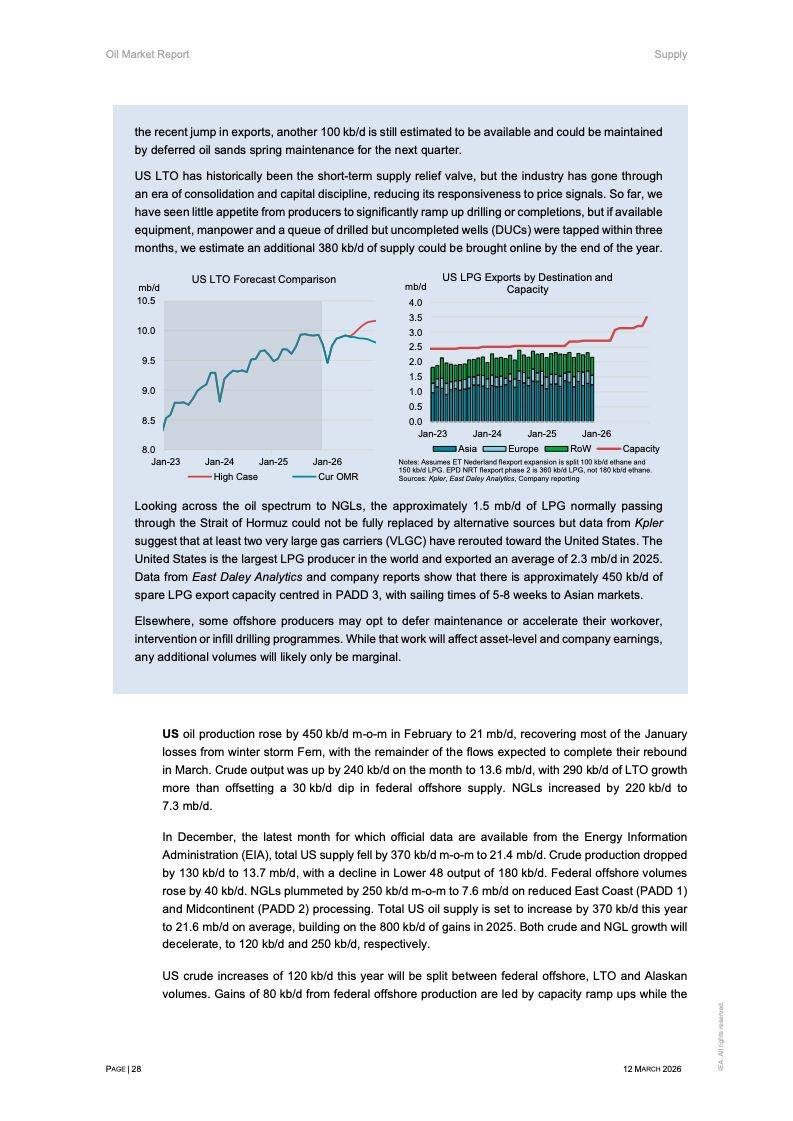
Supply shocks are rapidly transmitted to the refining and trading chain, with more than 3 million barrels/day of refined oil capacity in the region being forced to shut down and about 4 million barrels/day at risk of shutdown. In 2025, 3. 3 million barrels/day of oil exported from the middle east and 1. 5 million barrels/day of lpg were almost completely disrupted, creating simultaneous squeezes of global petrochemical raw materials and domestic energy. While global stocks have risen to about half of the 8. 2 billion barrels, they are more in the form of short-term buffers that make it difficult to bridge the structural gap resulting from the continued disruption of transport。
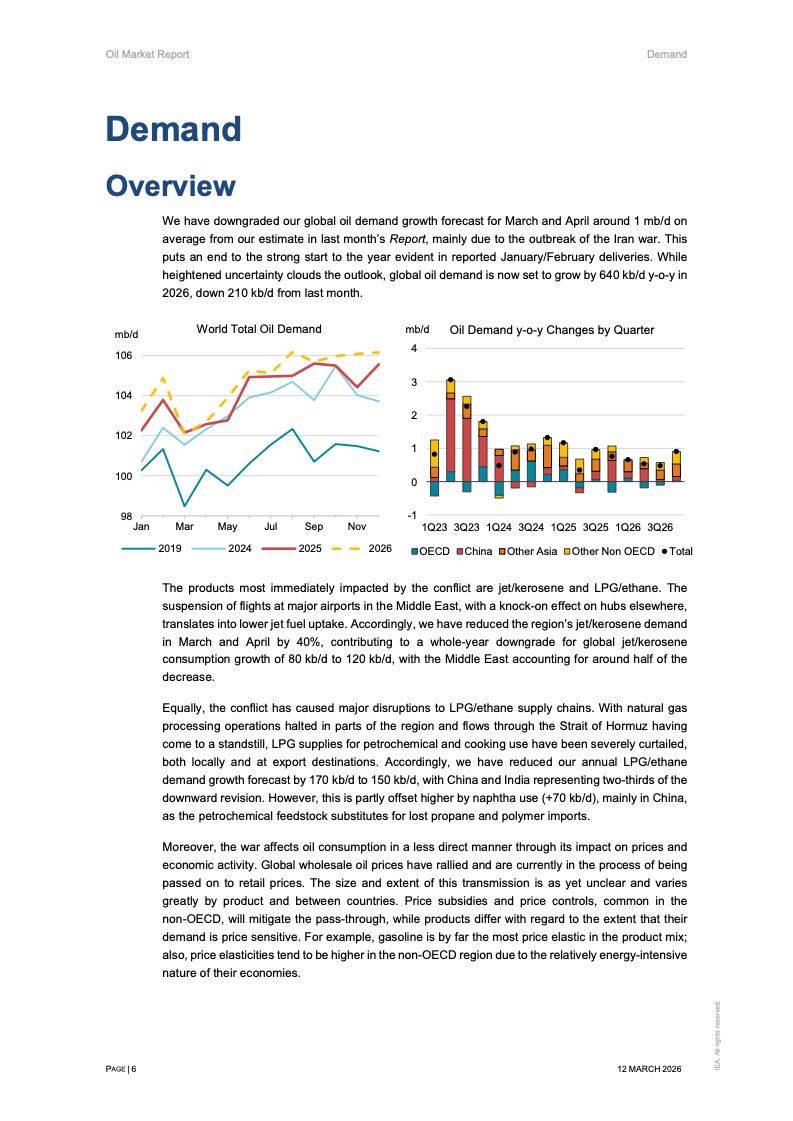
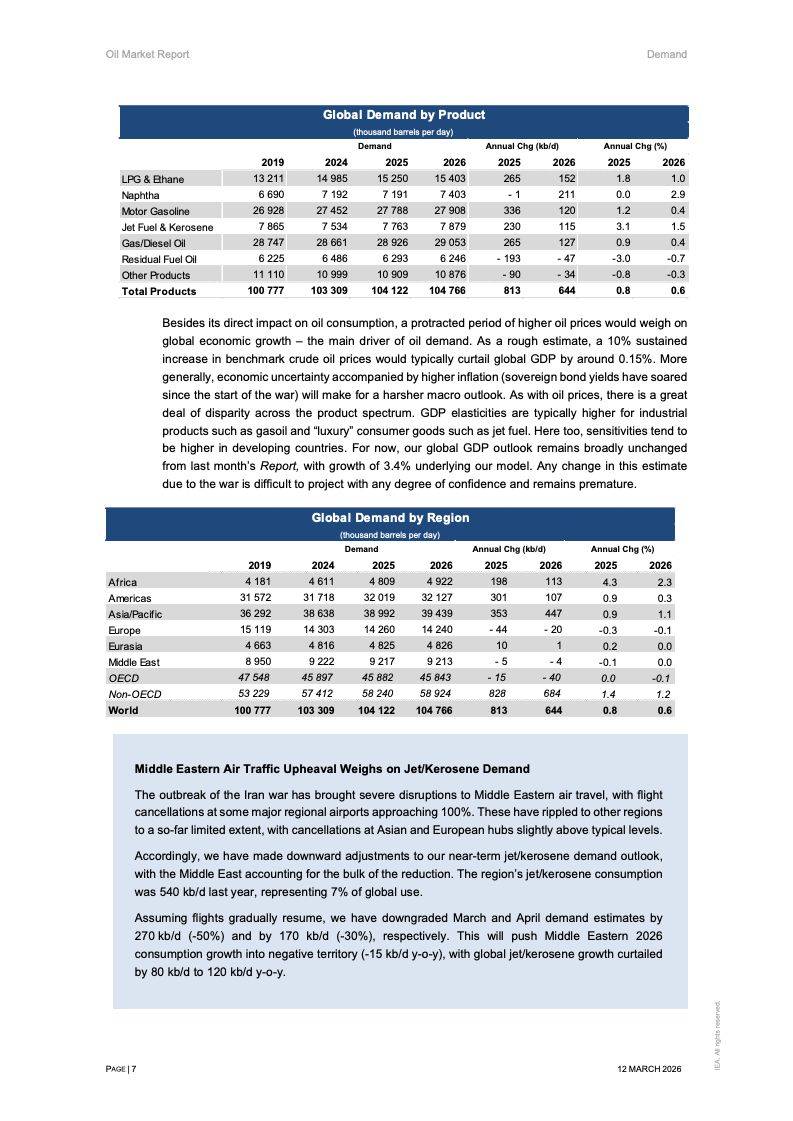
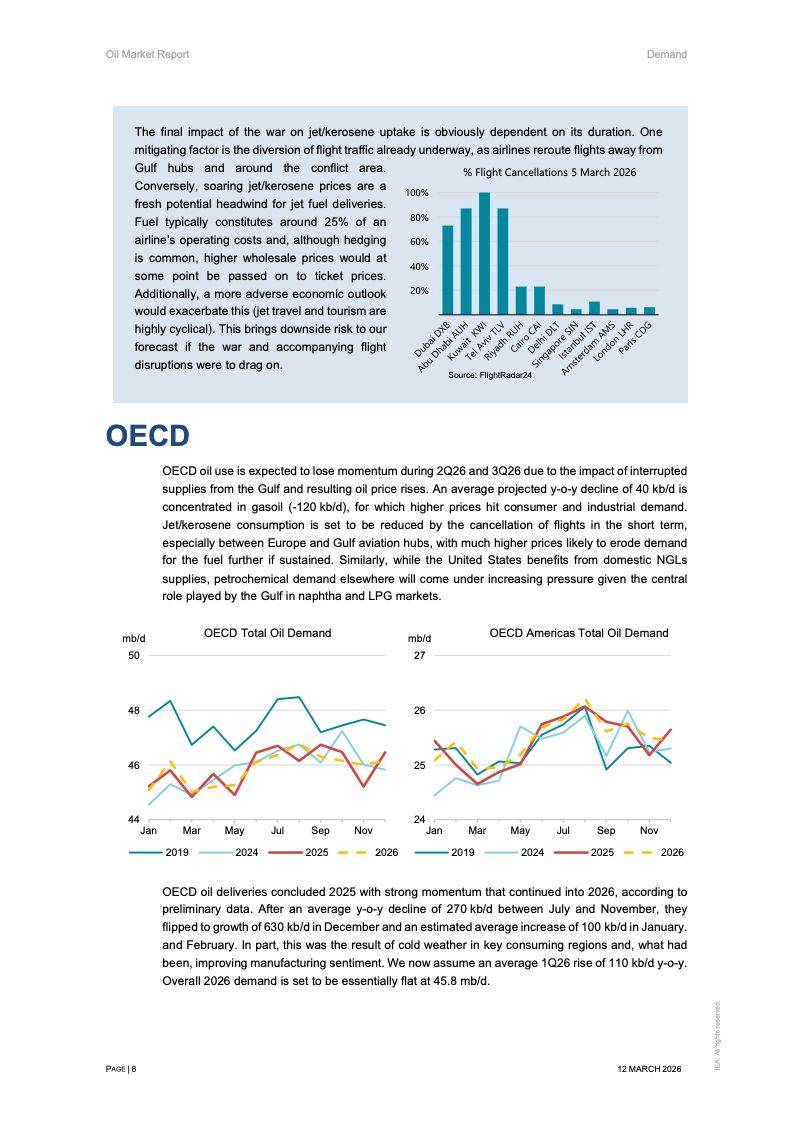
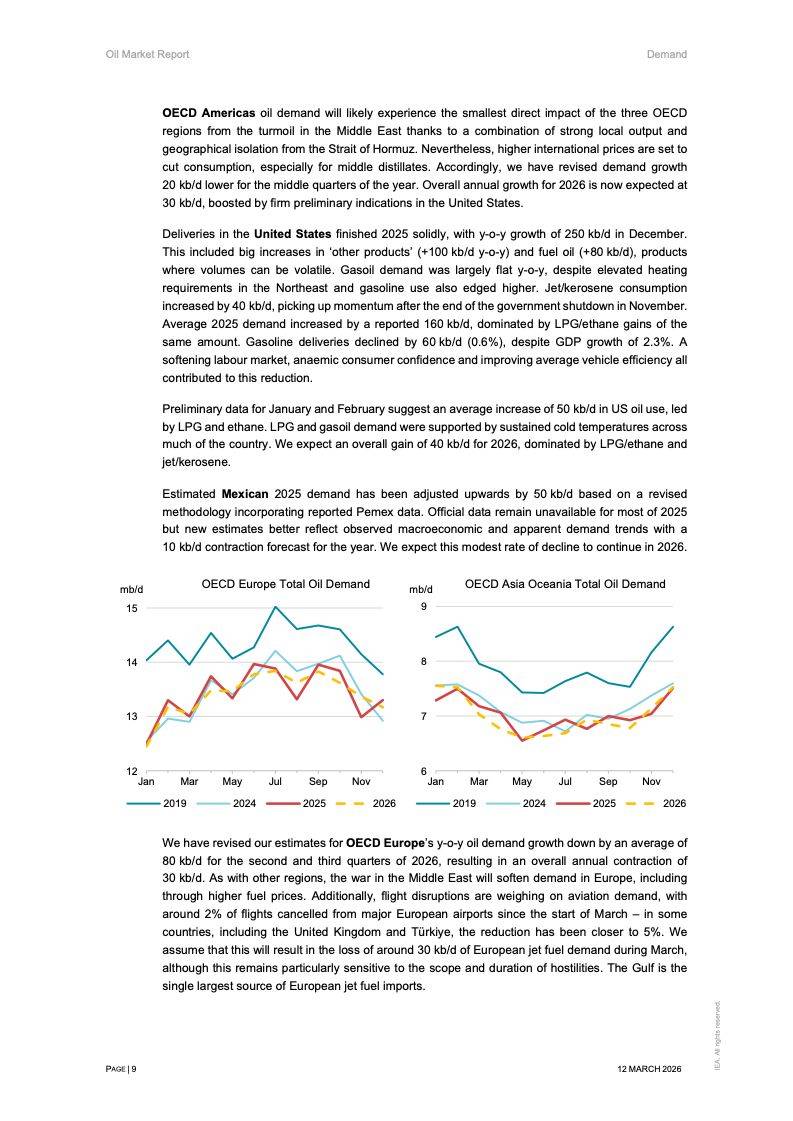
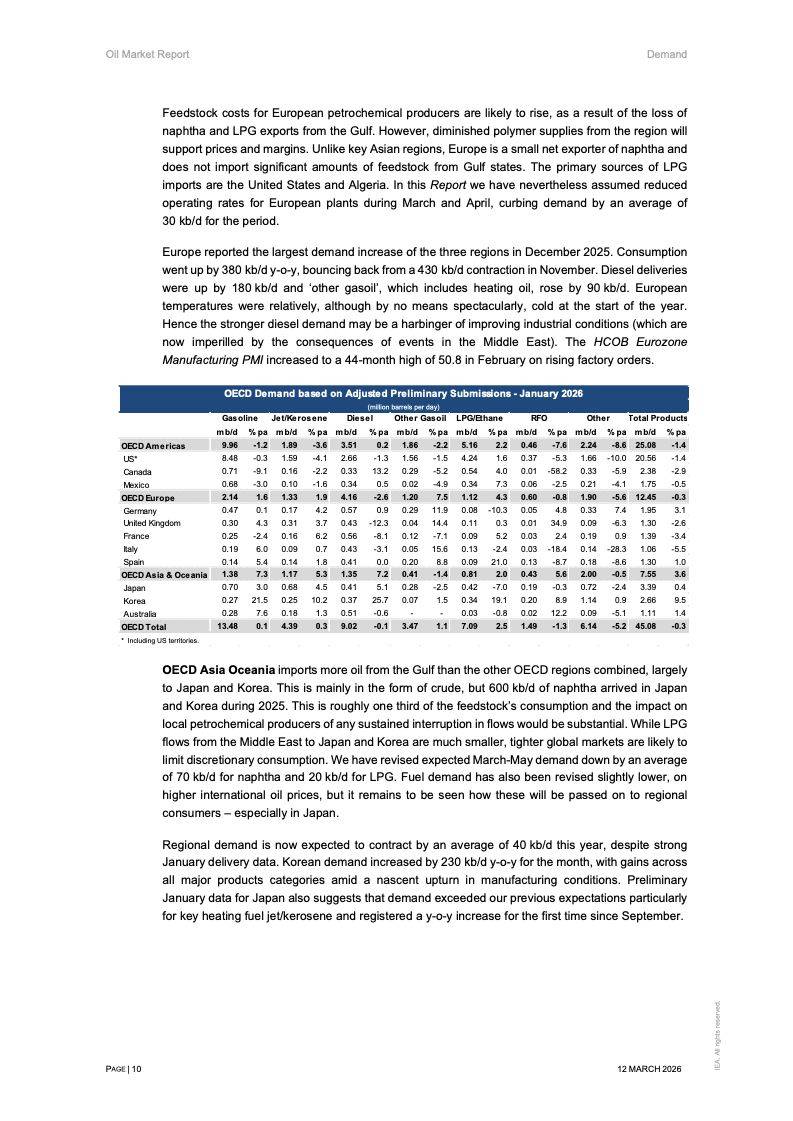
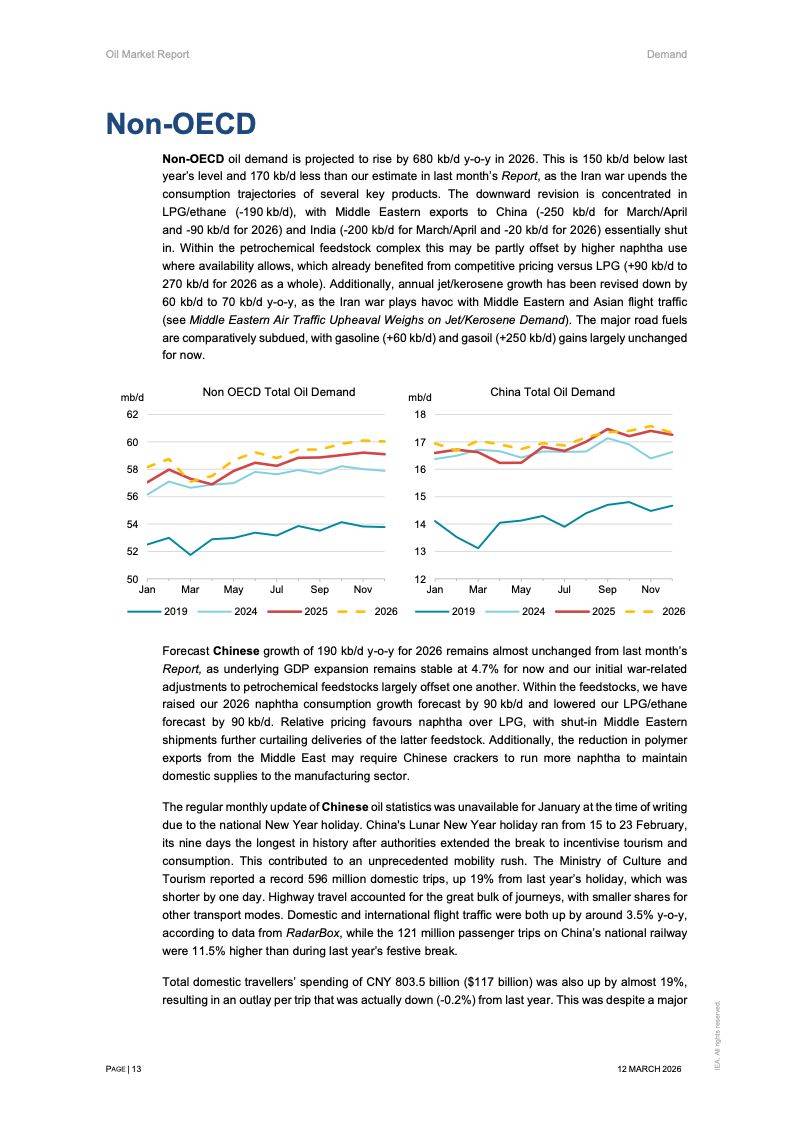
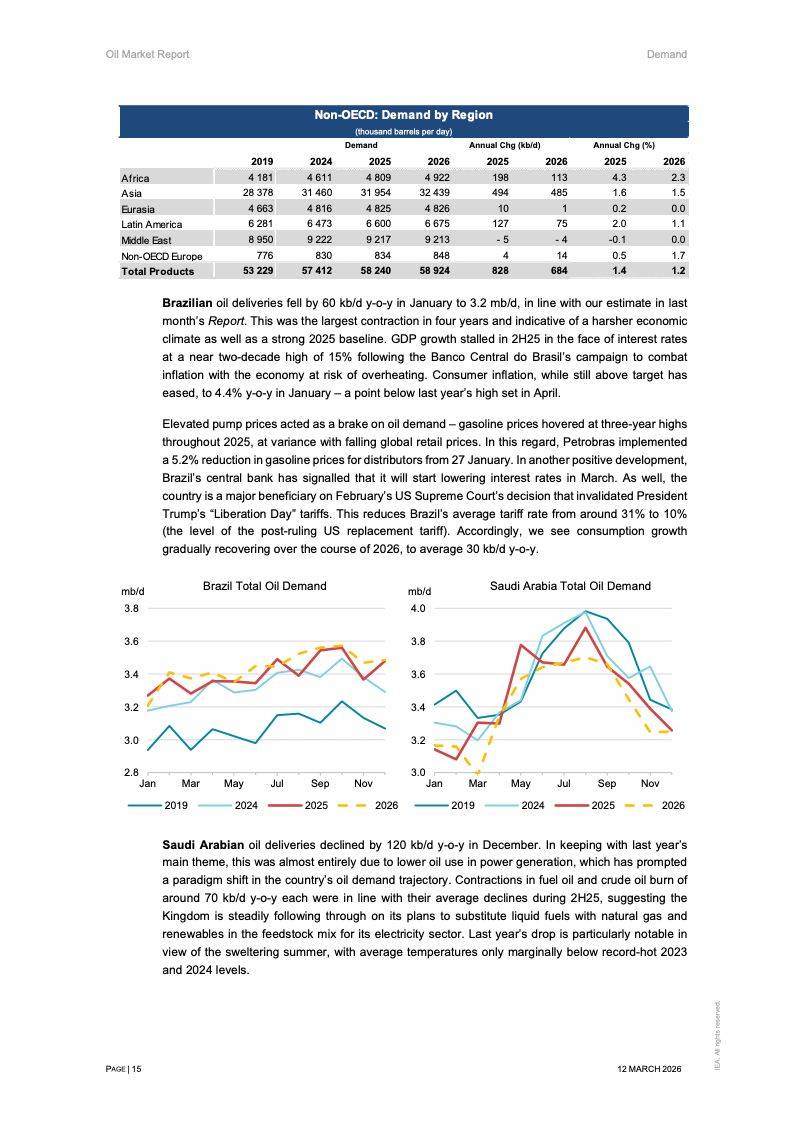
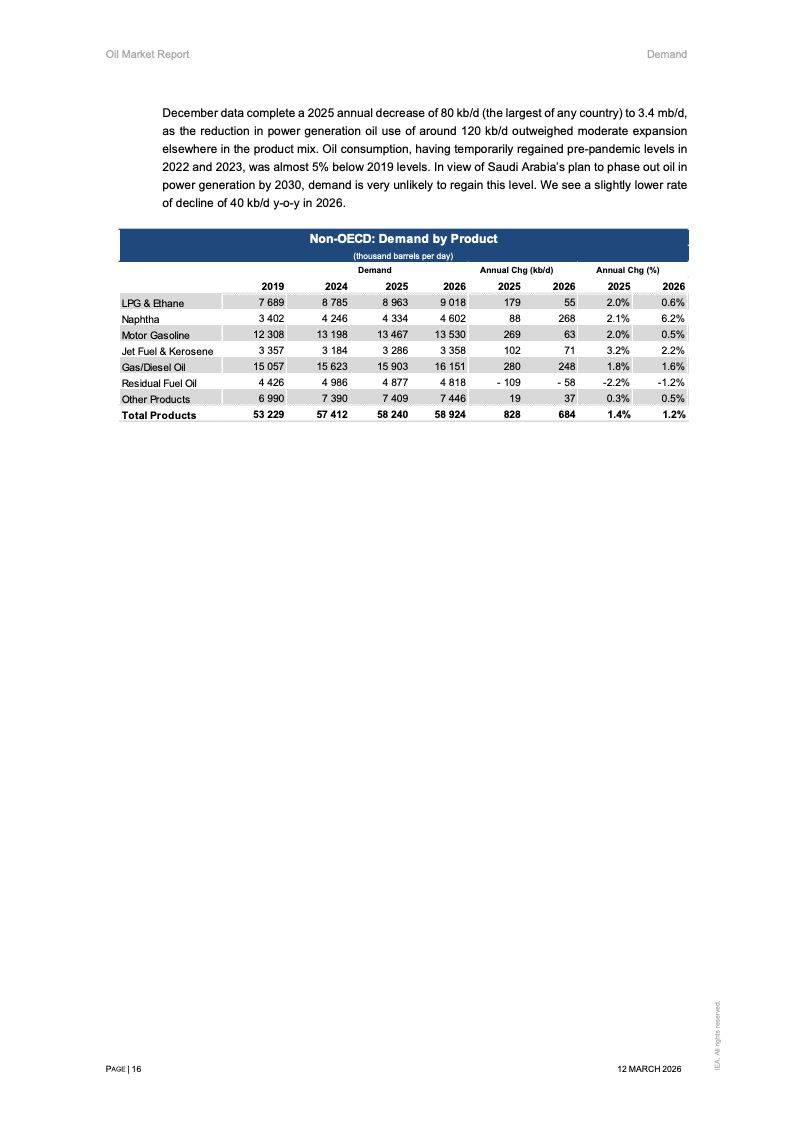
The weakening of the demand side and the large-scale elimination of the lpg supply chain for air transport have led to a reduction in global oil demand of about 1 million barrels per day from march to april, as compared to previous expectations. The annual rate of increase in demand has been reduced to 640,000 barrels per day, a decrease of 210,000 barrels per day compared with previous projections, indicating a marked decrease in demand recovery kinetic energy. In terms of structure, the growth in demand for lpg and ethane decreased to 150,000 barrels per day, the increase in jet fuel to 120,000 barrels per day, and energy consumption was characterized by a gradual contraction。
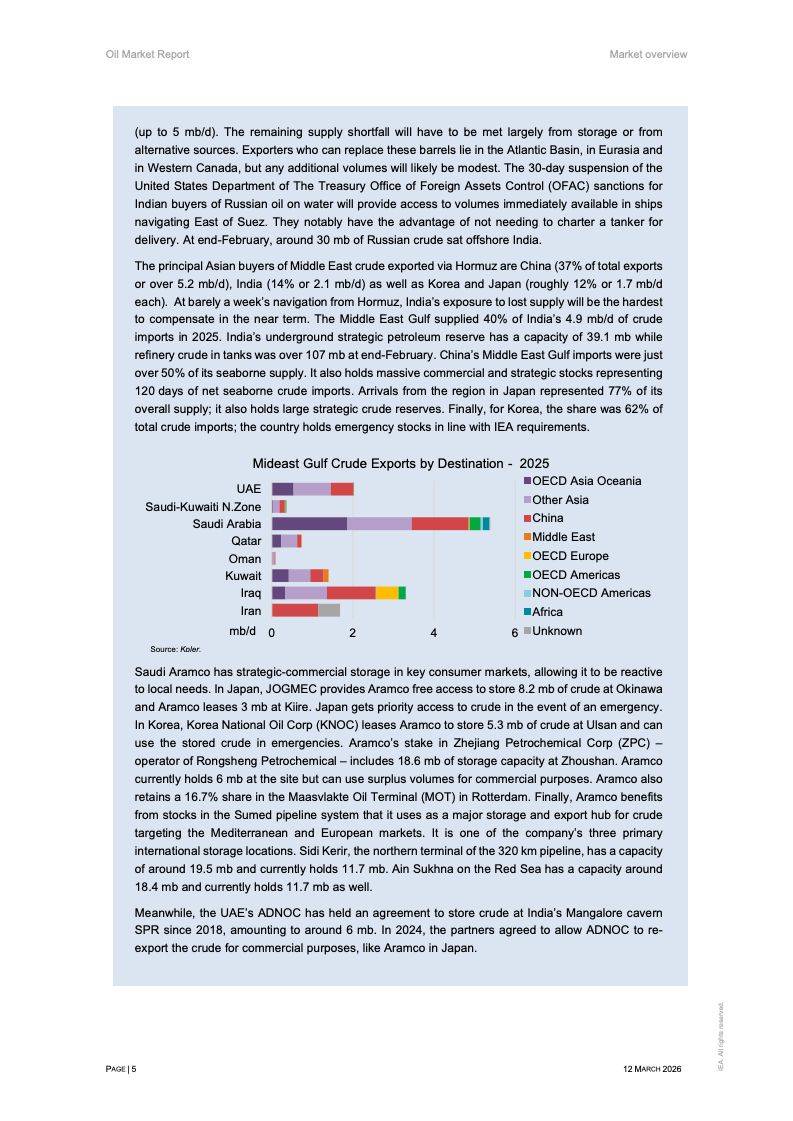
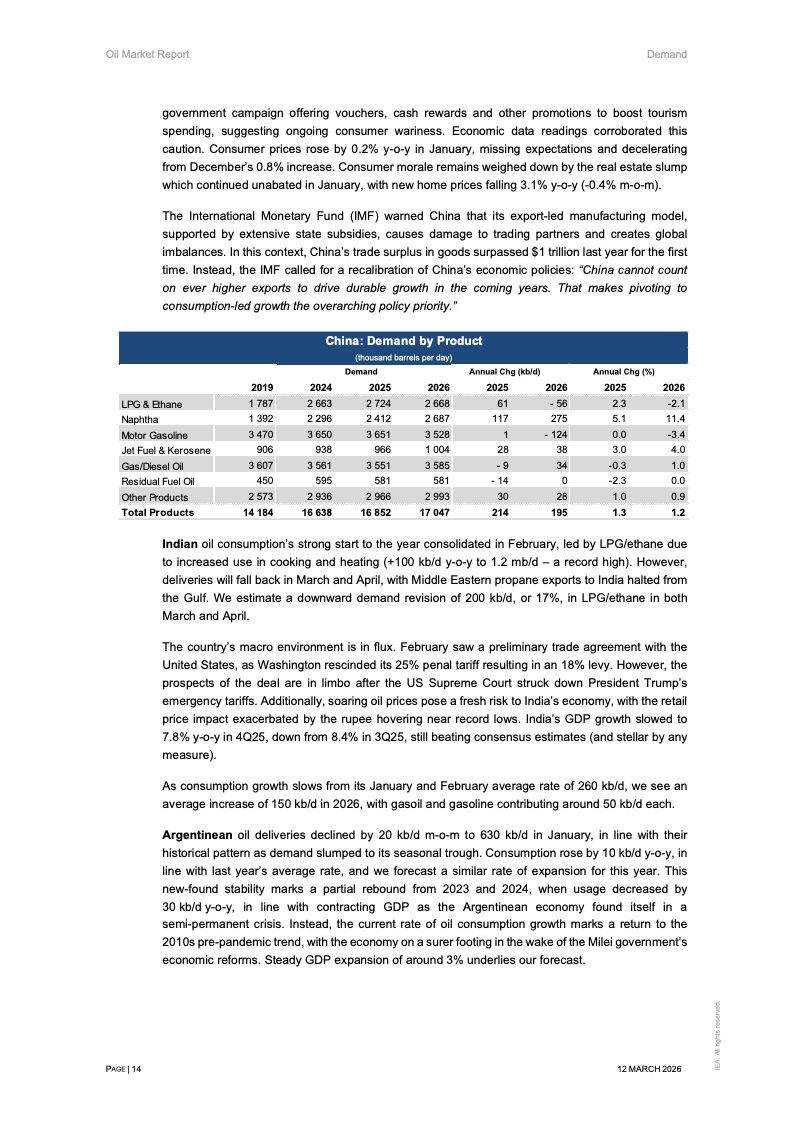
Regional divisions have further intensified, with asia becoming the core carrying region of the current round, and china and india relying on about 50 per cent and 40 per cent, respectively, of crude oil imports from the middle east. Of these, about 1. 1 million barrels per day were consumed by india's lpg, with about two thirds dependent on imports and limited short-term substitution capacity, and supply disruptions that directly impacted energy consumption by the population. Although china has about 120 days of import cover stocks, the decline in petrochemical raw materials may still be transmitted through the industrial chain to the manufacturing end。
Prices and financial-level volatility increased significantly, with brent oil prices approaching $120 per barrel and then falling back to about $92 per barrel, but still rising by about $20 per month. At the same time, vlcc transport prices have risen to an average of more than six times the five-year average, and transport costs have become new price amplifiers. Historical experience shows that every 10 per cent increase in oil prices will drag down about 0. 15 percentage points of global GDP, adding upward pressure on inflation, and that the global macro environment is typically at risk of stagnating。
In terms of trends, the nature of the current crisis is that transport corridors are blocked rather than resource shortages, and the key variables that determine the direction of the oil market shift to the restoration of the pace of shipping and geo-risk evolution. At most, strategic reserve releases and pipeline diversions can only partially hedge gaps, making it difficult to replace the systemic functions of the strait channel. If the conflict persists, the global energy trade landscape will accelerate its restructuring, supply chain regionalization and security premiums will rise or become a long-term trend, and oil price hubs may enter a structural uplink。
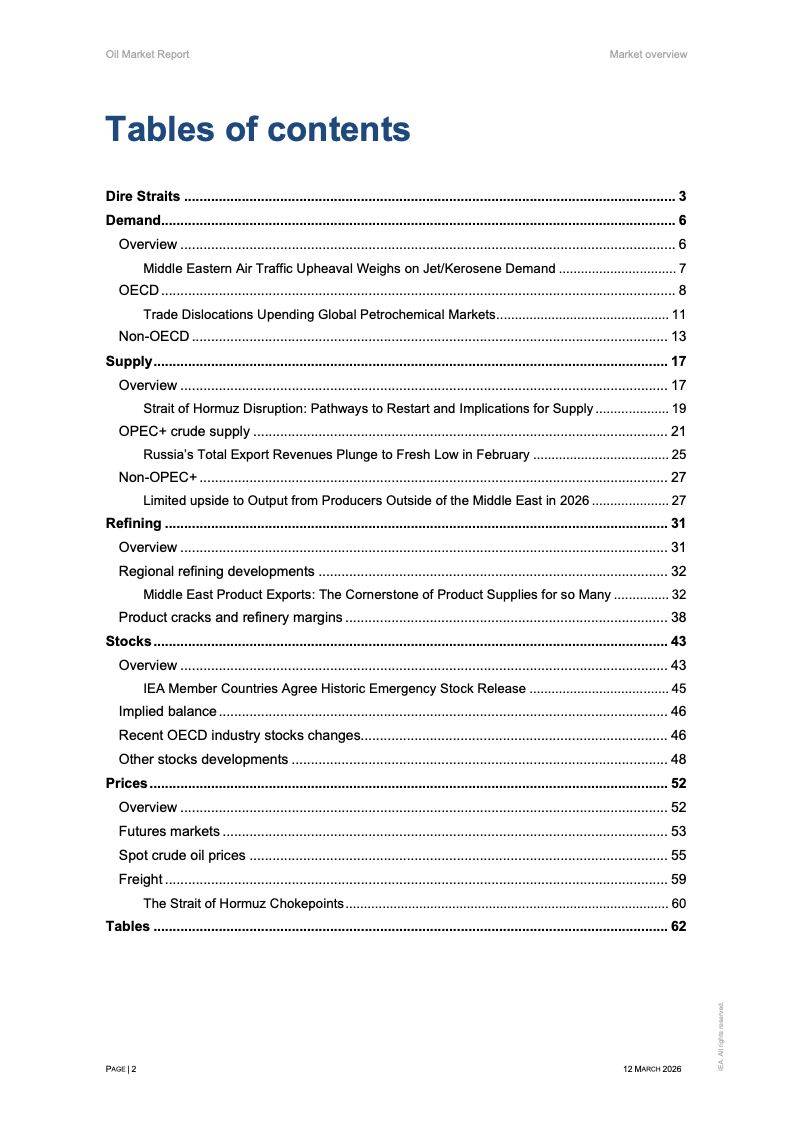
The document link will be shared on the 199it knowledge planet and can be accessed by scanning the 2d code below