Catalogue of findings and outlooks on the economic benefits of the collection and storage of environmentally sound garlic seeding techniques
Introduction 01
In recent years, as market demand has increased, the area and production of garlic seedlings has increased considerably. Garlic seedlings have a long history of cultivation in the nanchang region and are one of the most important local vegetables。
Improving the quality and safety of garlic seedlings and safeguarding consumer health. Promote sustainable agricultural development and raise farmers ' incomes. Adapt to market demand and increase the competitiveness of garlic seedlings. The meaning of garlic seedlings
Carpentry technology 02
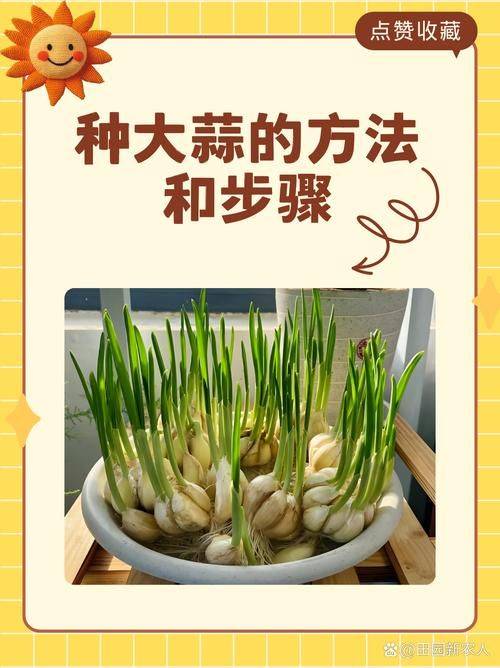
The selection of garlic varieties suitable for the climate and soil conditions of the nanchang region, such as the jiangxi local variety “south garlic i”. The selection of varieties will screen selected seeds, remove impurities and poor seeds, and select healthy, full seeds for sowing. Seed-treated varieties selection and seed treatment
The choice of fertile, well-drained and organically rich soils for garlic seedlings. Based on soil fertility, appropriate amounts of organic and composite fertilizers are applied to increase soil nutrients and promote the growth of garlic seedlings. Soil preparation and fertilization to manage soil selection
Depending on the climate conditions in the nanchang region, suitable planting times are chosen, usually from late september to early october. The seeding time is done by means of a cast or sowing method to determine the appropriate seed density, depending on the fertility of the soil and the range of garlic. The planting methods are timely weeding, watering, fatting and pest control to ensure the healthy growth of garlic seedlings. Field management allows harvesting when garlic is grown to a certain height. Once collected, appropriate organization and storage should be made available for subsequent sale or consumption. Collection and storage seeding and field management
Pest control technology03
One of the main ills of the seed age is the sudden onset of the larvae, which rots and leaves when it occurs before it occurs; when it occurs, water stains are produced in the base of the larvae, which gradually expands around the truncheon, condensates into line form, and falls in the larvae. Garlic ailments of leaves are mainly harmful leaves, elliptical or irregular, yellow or purple brown, which can be killed in serious cases. The method of prevention is to strengthen field management and increase the resistance of garlic to disease; the spray is used in the early stages of the disease and can be treated with the application of 75 per cent of the bacterial wettable powder 600 times the fluid, and 64 per cent of the venomicide humid powder 500 times the fluid. The method of prevention is to improve nursery management, rationally intensive planting, with attention to ventilation and humidity; to disinfect the soil of the nursery, which can be ploughed evenly with a combination of green genus 1 and polybactrins; to remove strains in a timely manner at the beginning of the onset of the disease; and to spray medicine. Common diseases and ways to combat them
Garlic maggots are one of the main pests of the garlic seeding season, and larvae enter the garlic rods for food, causing rot in the masts, affecting the quality and production of garlic. Chrysotile mackerel plume was sprayed with dichlorvos emulsions 1,000 times; larvae was treated with 50% thiophos-methyl emulsifiable cream 1,000 times and 48% poisoned emulsifiable cream 1,000 times during the larvae. The cure is worms and worms. And sucking on garlic-heart leaves and green leaves, which distort the leaves, which cannot be drawn out, and blackening them. The mast is periodically sprayed during garlic growth, and can be treated with 10% aphids and wwish powder, 2,000 times the liquid, and 2. 5% bcm. Common pest control methods and their methods
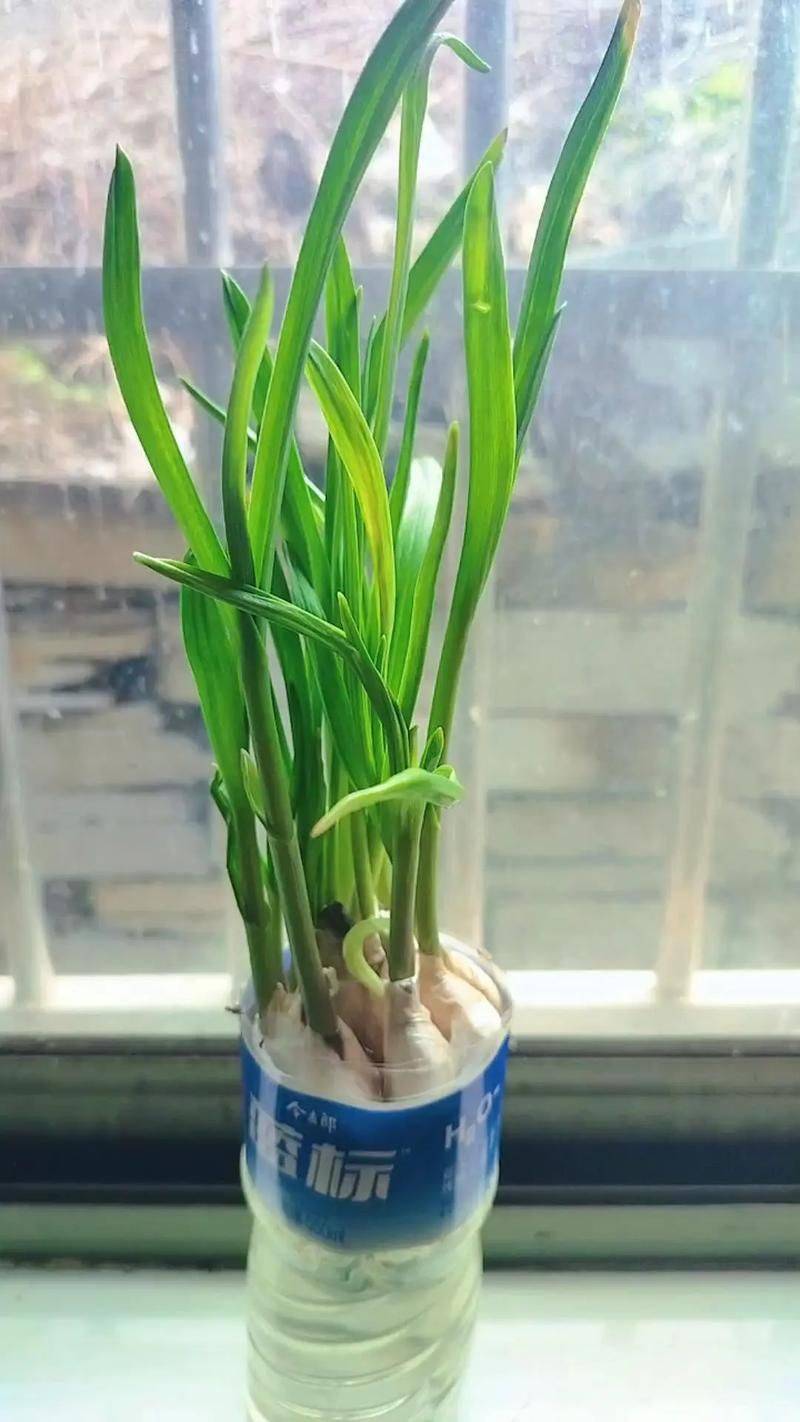
Control of the number of pests using natural enemies such as weeds, grasshoppers, biopesticides such as bt emulsifiers, agro-chain casin, etc. Biocontrol takes advantage of luminous, colourous and other characteristics of pests to reduce the number of pests, such as luminous and colour-based booby traps, while strengthening field management to reduce the incidence of pests. Physical and biological and physical prevention techniques
Collection and storage technology04
The time of harvest and the standard time of harvest is usually in spring or autumn, depending on climatic and soil conditions. In an appropriate growth environment, garlic seedlings can be harvested up to 20-30 cm. The pick-up standard garlic seedlings should be brightly coloured, full of leaves, uplifted and disease-free. At the same time, it is necessary to ensure the integrity of the roots of garlic seedlings for storage and transport。
There are two main methods of storing garlic seedlings: cold storage and cellar storage. Refrigerated storage consists of the placement of garlic seedlings in pre-sterilized freezers, maintaining temperatures between 0-5°c and relative humidity at around 90%. The cellar is used to place garlic seedlings in the cellar, keeping them well ventilated and at a controlled temperature of 0-10°c. In storage, care is taken to regularly check the quality of garlic seedlings and the storage environment and to treat in a timely manner strains with pests and diseases. At the same time, stable storage environments and appropriate temperatures and humidity should be maintained to extend the storage period and improve the quality of garlic seedlings. Storage methods and care
Analysis of the economic benefits of risk-free garlic seeding 05
The output analysis includes, inter alia, the production and quality of garlic seedlings and market prices. Artificial costs are relatively high, as is the need for artificial seeding, fertilizing and watering. The cost of pesticides is not harmful for garlic planting, which requires the use of low-toxic, low-residual pesticides, which are relatively low. The cost of seeding is not harmful to the public. Fertilizer costs are not harmful to garlic cultivation, which requires the use of organic and biofertilizers, and are relatively high. Cost input and output analysis
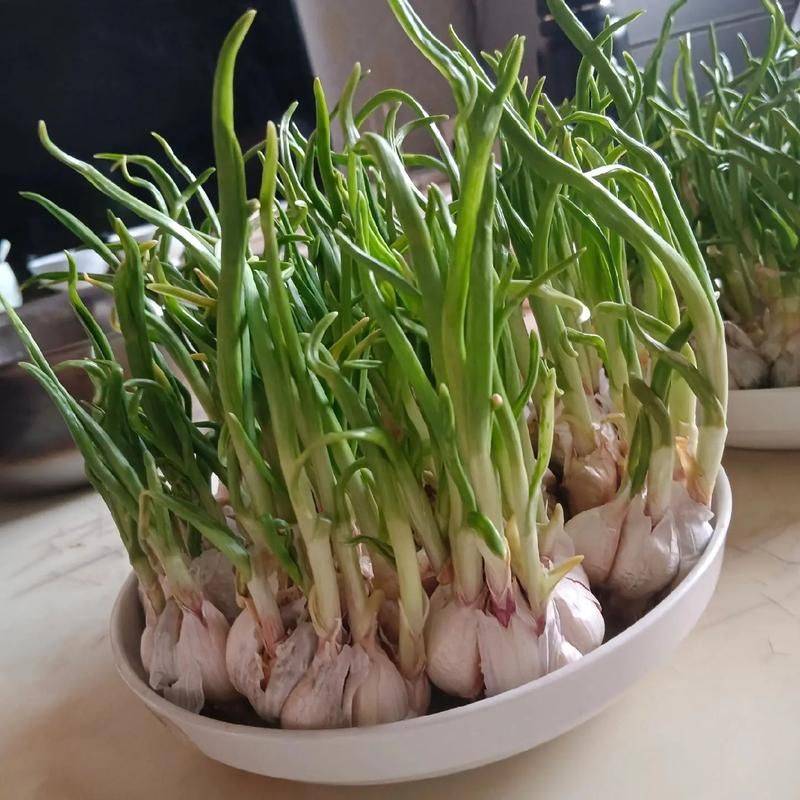
The marketing strategy suggests that, in order to improve the competitiveness of the harm-free market, the following marketing strategies could be adopted: as a result, there is a very broad market outlook for a risk-free market. 1. Building brand image through advocacy and promotion, creating a public-friendly brand image of garlic and increasing consumer awareness and trust in products. 3. Improving product quality and meeting consumer needs by strengthening production management and technological research and development and improving the quality and production of non-publicly harmful garlic seed products. 2. Expansion of distribution channels through various channels, such as supermarkets, agricultural markets, electric power platforms, etc., for the sale of harm-free garlic seedlings, and expansion of the marketing scope and market share of products. Market prospects and marketing strategy recommendations
Conclusions and outlook06
The successful development of the harm-free garlic seeding technology, through scientific experiments and data analysis, has provided effective technical support to agricultural production through the successful development of the harm-free garlic planting technology applicable to the south chang region. The increase in the production and quality of garlic seedlings has resulted in a significant increase in the production and quality of garlic seedlings through the use of non-hazardous cultivation techniques, which has resulted in higher economic benefits for farmers. The study promotes sustainable agricultural development by promoting non-hazard-free farming techniques that help reduce the use of pesticides and fertilizers, protect the ecological environment and promote sustainable agricultural development. Key findings and contributions of the study
While some results have been achieved, there is still room for improvement. In the future, the cultivation of garlic seedlings could be further optimized to improve production and quality and reduce production costs. The expansion of the application of hazard-free cultivation technology02 research was conducted only on garlic seedlings in the nanchang region. In the future, the application of harm-free farming techniques could be expanded to other vegetable or crop cultivation to provide greater support for agricultural production. Increased technology extension and training03 in order to increase the number of farmers who are aware of and mastered the technology for the cultivation of garlic, which is not harmful to the public, will in the future enhance technology extension and training efforts to improve the skills of farmers and promote sustainable agricultural production. Recommendations and outlook for future studies
Thank you for watching thanks