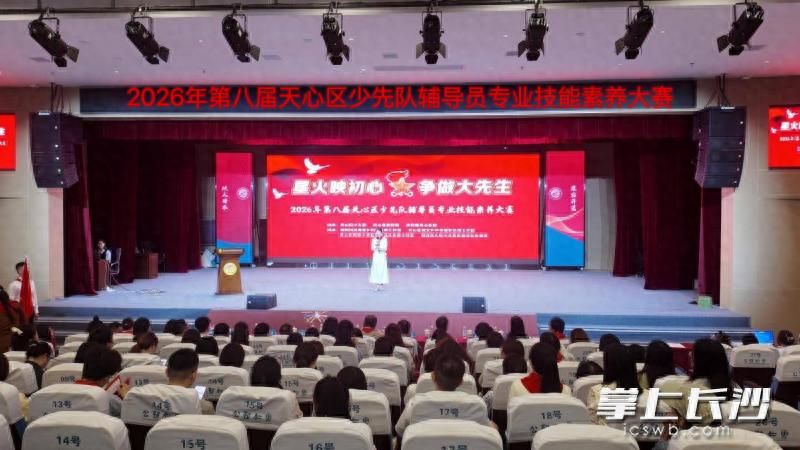
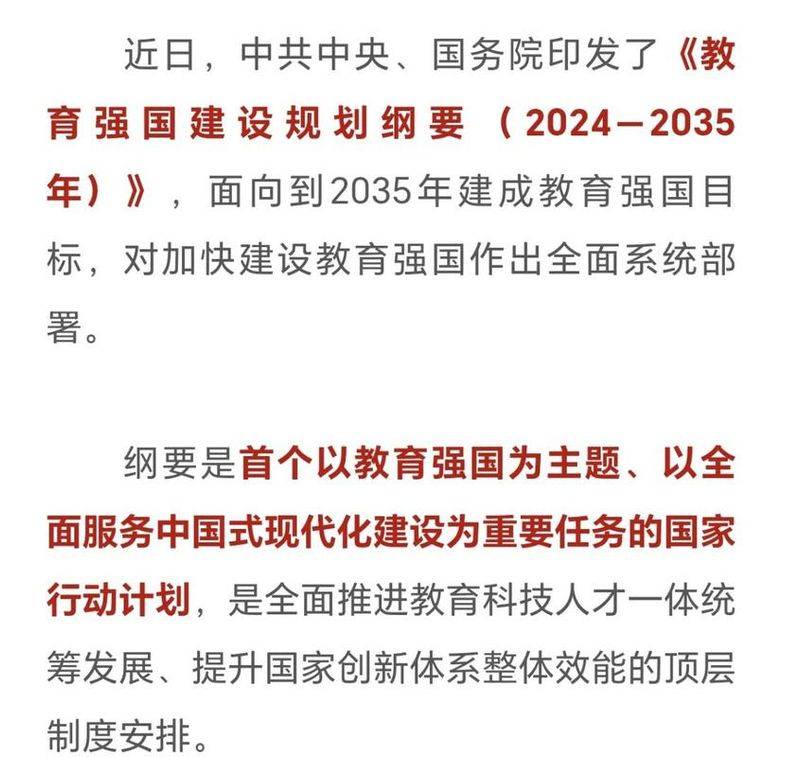
In recent days, the party committee of the autonomous region and the government have issued the implementation programme for the implementation of the programme for the construction of the intellectual property power (2021-2035) (hereinafter referred to as the " implementation programme " ), which provides an overall deployment of the construction of the intellectual property power zone and outlines a blueprint for the development of intellectual property in mongolia between 2021 and 2035. The autonomous region's market supervisory authority answers questions from journalists on issues related to the implementation programme。
Q: what was the background to the implementation programme
In november 2020, general secretary xi emphasized the need to strengthen the top-level design of intellectual property protection during the twenty-fifth collective study of the 19th central political bureau. In september 2021, the central and state council of the communist party issued the programme for the construction of the intellectual property power (2021-2035), which calls for the integration of mission-related measures. In order to follow up on the implementation of the party's central and state council decision-making, to comprehensively upgrade the level of intellectual property creation, application, protection, management and services, and to take full advantage of the important role played by intellectual property rights in the modernization of mongolia, the implementation programme has been developed in the context of the autonomous region。
Q: what is the clear philosophy behind the implementation programme
Response: the implementation programme proposes to maintain the 20-year spirit of the party, guided by xi jinping's new-era chinese socialist philosophy, to fully implement the party's spirit, to deepen the spirit of the general secretary xi jinping's important directive to inner mongolia, to build on the new stage of development, to implement the new concept of development, to implement services and to integrate into the new development paradigm, to firmly move away from high-quality development paths oriented towards ecological priorities and green development, to focus on deepening supply-side structural reforms, to use innovation as a fundamental engine to meet the growing needs of the people for a better life, to ensure the rule of law, with a focus on the full chain of protection, to build a well-developed system, protected, efficient, accessible, culturally conscious, open and win-win areas of intellectual property, and to provide strong support for the better completion of the five major tasks entrusted to the country by the general secretary-general, and to build an all-round model autonomous region。
Q: what development goals are proposed in the implementation programme
Response: the implementation programme proposes a two-step strategic deployment: the first phase will see a significant increase in the combined intellectual property rights (ipr) capacity by 2025, with 2. 6 patents per 10,000 people for high-value inventions, 6 per cent of GDP for the added value of patent-intensive industries, 500,000 effectively registered trademarks, 400 geographical indications and 248,000 copyright registrations, 80 pilot sites for intellectual property education in primary and secondary schools, 10 billion yuan in intellectual property pledge financing, the development of 50 distinct and dynamic regional public brands, over 83 cents of social satisfaction with intellectual property protection, and significant results in the construction of intellectual property areas. In the second phase, by 2035, the intellectual property system was better structured, managed in a more scientific manner, stimulating innovative entrepreneurship to its full potential, a comprehensive open-door pattern was developed, combined competitiveness was significantly increased, and strong intellectual property zones with internal mongolian characteristics were largely established。
Q: what are the main tasks and working measures identified in the implementation programme
Response: the programme for the implementation of the programme for the building of the intellectual property power (2021-2035) is fully detailed and is closely linked to the fourteenth five-year plan for the national economic and social development of the inner mongolia autonomous region and the vision 2035 framework for the protection and application of intellectual property rights in the inner mongolia autonomous region, with the deployment of six priority tasks and 20 specific measures。
One is to improve the intellectual property policy regime. Strengthen local legislation on intellectual property and further improve the local regulatory system on intellectual property. (b) continuously optimize intellectual property governance mechanisms and build systems for managing science, rational division of labour, synergetic governance, smooth functioning, strong oversight and quality of services. (c) accelerate policies to improve the linkages between intellectual property rights in the economic, scientific, technical, financial, cultural and social spheres, so as to be effective in stimulating innovation and innovation in intellectual property and to support economic and social development with greater quality。
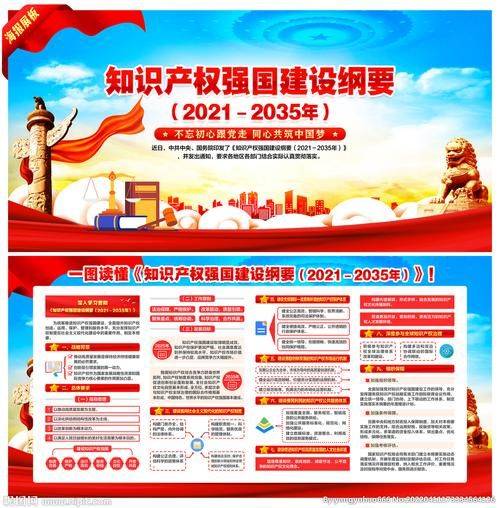
Second, greater protection of intellectual property rights. (b) to further the “triple-to-one” trials of civil, criminal and administrative cases relating to intellectual property, to develop non-litigation mechanisms for intellectual property disputes, and to fully implement the “mutual execution” system in the field of intellectual property. Improving administrative protection mechanisms for intellectual property rights, promoting rapid cross-regional coordination of protection across sectors and strengthening administrative enforcement, administrative decisions and penalties in priority areas and regions. Implementation of the intellectual property protection system, which provides for the creation of a number of intellectual property protection centres, fast-track defence centres and advocacy assistance stations, and a fast-track, fast-track, fast-track protection system for intellectual property rights, with a higher level of promotion of business excellence。
Third is the optimization of intellectual property operational mechanisms. The implementation of projects to improve the quantity and quality of intellectual property, to enhance the promotion and transformation of intellectual property applications, to continuously increase the value of intellectual property creation, and to create high-quality intellectual property creation mechanisms that are business-oriented, market-oriented and collaboratively developed. (c) implement patent conversion schemes and patent navigation projects to accelerate the growth of high-value patent portfolios or patent pools, to drive industries to the higher end of the value chain and to promote the efficient use of intellectual property. Implementation of a pilot demonstration project on intellectual property to deepen the pilot demonstration of intellectual property rights in cities, flag counties, parks and business creation and to contribute to the development of “specially new” innovative enterprises. :: implementation of brand-building and geo-marking applications promotion projects to develop brand-branding guides, geographical-marked workstations and geo-marked product protection demonstration areas, as well as a set of locally distinct and dynamic regional public brands. Strengthening intellectual property operations, encouraging social capital to set up specialized intellectual property operators, creating an intellectual property financial services innovation development alliance, issuing reports on the intellectual property composite power index, enterprise intellectual property competitiveness, etc., and achieving the value of innovation。
Fourth is the strengthening of the public service system. Further improvement of the information system of the inner mongolia intellectual property public service, building a public service system of intellectual property services that integrates information search, advocacy assistance, dispute mediation, patent conversion, patent navigation and hosting services. Fostering the establishment of a number of technology and innovation support centres, intellectual property information service centres in higher education, intellectual property information public service points and intellectual property social services organizations to effectively extend the intellectual property public service chain. Development of inventories and service standards for ipr public service matters, promotion of internet+ government services, and “one-stop” and “one-stop” ip services. Improving the interface between the ip service chain and industrial development and technological r & d needs, innovations in new products, business practices and models of ipr services, and promoting complementarity and synergy between the ipr services and the advantages of priority industries, and higher standards to meet the demand for innovation。
The fifth is to create a human environment for intellectual property. The development of a cultural dissemination matrix for the development of intellectual property rights (iprs) strongly promotes the concept of a culture of intellectual property that respects knowledge, embraces innovation, upholds good faith, and competes fairly. Implementation of intellectual property skills development projects, establishment of an intellectual property education training base, training in intellectual property practices, encouragement and support of higher education institutions in the establishment of intellectual property-related disciplines and creation of a cadre of qualified personnel. Strengthening the strategic design of intellectual property talent, optimizing the use and evaluation mechanisms of intellectual property talent, introducing the development of more intellectual property masters, cadres and high-level innovation teams, and building higher quality talent development in the highlands。
Sixth is deepening intellectual property exchange cooperation. (c) to strengthen its cooperation with the intellectual property exchange in the great lakes region of kyouta, the long triangle and portang, and to deepen its cooperation with intellectual property associations in neighbouring provinces and areas to promote the synergistic development of intellectual property rights regions. Deepening cooperation with russia, mongolia and others on the “one-way” exchange of intellectual property rights, enhancing the capacity of international rules on intellectual property, expanding the influence of domestic mongolian brands, creating an important window open to the north of the country and contributing to coordinated regional development at a higher level。

Q: how can the implementation of the implementation programme be ensured
Response: to ensure effective implementation of the objectives, the implementation programme proposes three safeguards。
One is strengthening organizational leadership. - to strengthen the party's leadership in the construction of intellectual property zones in a comprehensive manner, and to establish a unified leadership, sectoral coordination, and upstream and downstream mechanisms. Regional departments are called upon to put intellectual property rights on the top of their agenda, to address critical issues in a timely manner, and to take vigorous measures to strengthen implementation。
The second is to strengthen safeguards of support. All levels of government need to improve the financial investment system, incorporate the financing of intellectual property rights into their own budgets, and increase funding in due course, depending on the means available. (b) to combine fiscal, tax, investment, scientific and technological policies, to create a diversified and multi-channel system of investment, to focus, optimize the structure and ensure the implementation of mandates。
Third is the strengthening of appraisals. Organization of regular monitoring and evaluation summaries to enhance the application of monitoring and evaluation results. Increased scrutiny and evaluation efforts to integrate the construction of intellectual property rights (ipr) areas into performance appraisal and business environmental evaluation systems。