Graduate design (thesis)
Page
1-
Report on graduation design (dissertation)
Title:
We'll talk about the technology for tomato cultivation in the city's facilities
School number:
Name:
College:
Professional:
Guidance teachers:
Date of commencement:
We'll talk about the technology for tomato cultivation in the city's facilities
Summary: the present paper provides an in-depth study of the technology used to grow tomatoes in the studios of facilities in the urban areas. First, the background and significance of talking about the production of large-scale tomatoes in urban facilities was presented, and the current problems in planting were analysed. Key technologies such as seeding, breeding, planting, management, pest control and so forth are then described in detail. Finally, an overview of trends in tomato cultivation in urban facilities was provided. The findings of this paper are important for improving the production and quality of stocking tomatoes in urban facilities and promoting sustainable agricultural development。
With the acceleration of the modernization of our agriculture, facilities agriculture has become a new engine for agricultural development. The urban area, which is an important agricultural production area in the country, has been expanding year by year in the area where the facilities are grown, making it an important means for local farmers to increase their revenues. In the process of planting, however, the production and quality of tomatoes are difficult to meet market demand due to poor technical means, poor management and poor pest control. Therefore, research facilities for the production of large-scale tomatoes and improved planting efficiency are important for promoting sustainable agricultural development in urban areas. The purpose of this paper is to promote the healthy development of the tomato industry by providing local farmers with scientific and practical technical guidance on the cultivation of tomatoes by means of an in-depth study of the technology used to grow tomatoes in urban facilities。
I. Discussion on the current status of tomato cultivation in urban facilities
1. 1. Talk about the development of tomato growing in urban facilities
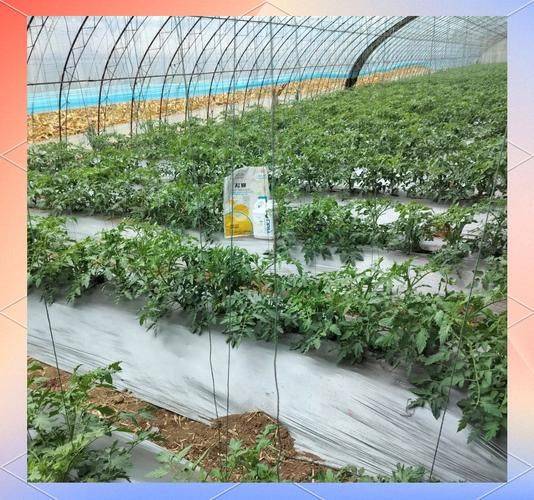
(1) the development of the tomato production in urban facilities dates back to the 1990s. At that time, with the restructuring of the agro-industrial sector and the shift in the concept of farmer farming, facilities agriculture began to emerge locally. Initially, farmers mainly used simple plastic sheds for tomato cultivation, although relatively simple technology did not match production and quality。
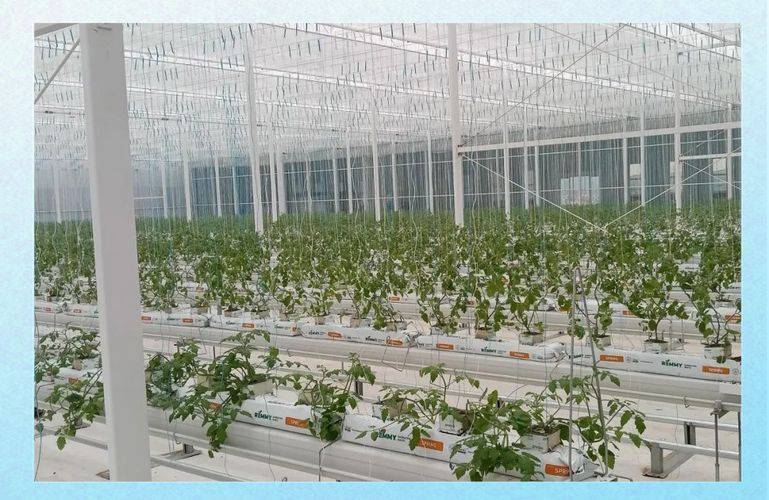
(2) over time, facilities in urban areas have improved the technology for the cultivation of tomatoes. Plantation facilities have been greatly upgraded from the initial simple plastic shed to the present smart greenhouse. At the same time, farmers are becoming more mature in their farming techniques, with improved processes in the selection, breeding, planting and management of crops。
(3) since the beginning of the twenty-first century, zodiac tomato cultivation has entered a rapid stage of development. The government has increased its support for facilities agriculture, and farmers have been increasingly active in farming. In this context, the facilities in the urban areas are expanding rapidly and production and quality have increased significantly, becoming an outstanding business card for the local agricultural industry。
Area of tomato cultivation and production in facilities 1. 2
(1) in recent years, the area under stock of tomato cultivation in urban facilities has grown over the years and has become one of the most important agricultural industries in the region. According to statistics, by 2023, over 100,000 acres of tomato cultivation had been cultivated in the facilities in the urban areas, mainly in winter, making effective use of weather conditions where winter light was insufficient。
(2) as cultivation techniques continue to improve and farmers become aware of growing, the production of shantyton tomatoes in urban facilities is steadily increasing. At present, the average acre production can be 15,000 pounds, and some high-yielding fields can be more than 20,000 pounds. The increase in production has generated significant incomes for local farmers, while meeting the market demand for high-quality tomatoes。
(3) in parallel with the increase in production, the quality of shantyton tomatoes in urban facilities has improved significantly. The taste, colour and nutritional value of tomatoes have been increased through scientific selection, precision management and pest control, making products more competitive in the market。
1. 3. Problems with tomato cultivation in facilities
(1) while there have been notable results in talking about the construction of large-scale tomatoes in urban areas, some problems remain to be addressed. First, uneven levels of cultivation techniques are a major problem. Although cultivation techniques have been upgraded to some degree in recent years, a significant proportion of farmers still lack sufficient knowledge of scientific cultivation techniques, leading to problems in the process. In the case of pest control, for example, some farmers were unable to take timely and effective measures owing to lack of expertise, which affected tomato production and quality. According to statistics, in 2022 alone, the reduction in tomato production due to pests and diseases in urban areas amounted to 20 per cent, with economic losses amounting to tens of millions。
(2) second, the low level of modernization of the facilities sheds is also an important constraint on the development of tomato cultivation. At present, most of the facility sheds in the talking city area are still dominated by simple plastic sheds, which are in poor state of temperature, wetting and ventilation, leading to a precarious development environment for tomatoes. In winter, for example, the growth of tomatoes slowed significantly owing to poor temperature protection, affecting production and quality. In addition, the facility sheds are less intelligent and lack real-time monitoring and regulation of environmental factors such as soil, moisture and light to achieve precision planting. About 80 per cent of the facilities sheds were surveyed for lack of intelligent management systems, resulting in waste of resources and inefficient cultivation。
(3) once again, increased market risk is also one of the problems faced in talking about the production of large-scale tomatoes in urban facilities. As the area under cultivation expands, markets become increasingly competitive, tomato prices are more volatile and farmers ' earnings unstable. In 2021, for example, the price of tomatoes fell from $2 per pound to $1 as a result of the market supply-demand relationship, resulting in lower incomes for farmers. In addition, the market has become increasingly demanding for the quality of tomatoes, and it has become difficult for some of the tomato products in urban areas to gain access to high-end markets because of poor quality. According to statistics, about 30 per cent of tomato products were rejected by the market because of quality problems, resulting in significant losses. In response to these problems, there is a need to further optimize planting techniques, modernize facilities and enhance market risk protection to ensure sustainable development of the stock tomato industry in urban areas。
Ii. Key technology for plant tomato cultivation
2. 1 selecting and breeding techniques
(1) the selection and breeding techniques are the basis for ensuring the production and quality of tomatoes in the studio tomato cultivation of facilities in urban areas. When selecting seeds, preference should be given to highly resistant, adaptable and productive varieties. Such as the "ruri" tomatoes, which perform well in the urban areas and are very popular with farmers because of their early maturity, disease resistance and cold resistance. In addition, depending on market demand and climatic conditions, varieties with different maturity periods can be selected, such as the pre-maturized “santa fruit” and the later-maturized “gold sun”。
(2) feeding techniques are key elements in tomato cultivation. First, seed disinfection is required to prevent the occurrence of pests and diseases. Common disinfection methods include high-temperature disinfection, substance disinfection, etc. Sterilized seeds are sprung with an appropriate temperature of 25-30°c and a humidity of 70-80%. During seedlings, care is taken to keep the seeds equally heated and to avoid germinate inequalities. Upon completion of the seedlings, the seedlings are moved into the seedling matrix, with care to maintain the appropriate temperature and humidity to promote healthy growth。
(3) focus on nutrition and pest control in the nursery process. On the nutritional side, adequately decomposed organic and appropriate amounts of fertilizers should be applied to meet nutrient needs during tomato growth. In the area of pest control, the seedlings are regularly checked and timely measures are identified. Common pests and diseases include sudden fallout, standing dead, aphids, etc., and control methods include pharmaceutical, biological and physical control. For aphids, for example, spray control can be carried out using pesticides such as aphids; for the disease, treatment can be carried out using agents such as polybacterium and encreas. Through scientifically sound seeding and nursery techniques, a solid foundation has been laid for the high quality production of plant tomatoes。
2. 2 institution technology
(1) cultivation is an important part of the construction of the facility's large-shed tomatoes and is directly related to their growth and production. In the urban areas, planting times are usually chosen at the beginning of spring and summer, when the climate is appropriate for the rapid growth of tomatoes. The sheds need to be completely sterilized before planting, to ensure that they are free from disease and pest residues. The density of plant cultivation is generally 3500-4,000 plants per acre, depending on the variety and pattern of cultivation。
In the case of a tomato plantation, for example, a winter-heated shed was used for tomato cultivation. During the planting process in 2022, the base selected the pre-maturized variety “luri”, with a planting density of 3,700 plants per acre. To ensure the quality of planting, the base has been mechanized, resulting in increased efficiency and accuracy. Through scientific planting, tomato production at the base increased by 20 per cent over previous years, reaching an average of 16,000 pounds/acre。
(2) before planting, the soil is to be retorted and disinfected to improve soil structure and increase soil fertility. Soil depths, typically 20-30 cm, contribute to increased soil aerobicity and water conservation. Sterilization can effectively kill pathogens and pests in the soil using such agents as lime nitrogen and copper sulfate。
For example, a tomato grower had deep-slided and disinfected the soil before it was planted in 2023. Soil disinfection through the use of lime nitrogen has effectively reduced the incidence of endemic diseases. At the same time, farmers have applied organic and compound fertilizers, which have increased soil fertility. After a year of cultivation, the plant produced 15 per cent more tomatoes than it did without soil treatment, and its quality improved significantly。
(3) when planting, be sensitive to the angle and depth of planting. Cultivation is based on a 45-degree perspective, which facilitates ventilation in tomato plants. Cultivation depths are appropriate for the presence of seedlings, which can affect the growth of plants too deep or too shallow. During the planting process, it is important to ensure that each tomato is given sufficient moisture to facilitate the production of plants。
In the case of a large tomato plant, in 2022, strict control was exercised over the angle and depth of planting. The use of automated equipment for planting ensures consistency in the angle and depth of each tomato plant. At the same time, water is poured into the plant in time to ensure the survival of the plant. The company established a 90 per cent survival rate for tomatoes, which laid the foundation for subsequent high yields。
2. 3 management techniques
(1) the management techniques of the facility's stock of tomatoes include, inter alia, moisture management, temperature control, light control and plant adjustment. Water management requires rational irrigation based on soil moisture, weather conditions and tomato growth. In general, the amount of water required for tomato growth is lower at the beginning and increases after the end of the outcome period. Irrigation should be based on the principle of “small water effort” and avoid water accumulation。
(2) temperature control is the key to the management of the facility's stock of tomatoes. The suitable growth temperature for tomatoes is 25-30°c during the day and 15-20°c at night. Temperature measures, such as the use of greenhouse-preserving materials and the increase in heating equipment, are required during winter temperatures. At high summer temperatures, cooling measures, such as the opening of ventilation facilities, sunnets, etc., are required. The normal growth of tomatoes is ensured by precise temperature regulation。
(3) light control is equally important for tomato growth and development. In the facility shed, it is necessary to ensure that tomato plants are fully photogenic. (c) appropriately increase the light rate, such as regular cleaning of shed roofs and maintenance of filaments. At the same time, the time of light is adjusted to weather conditions to ensure that tomatoes receive sufficient light during their growth cycle. In addition, plant adjustment is part of management techniques, such as graft, twigs, twigs, etc., which contribute to the production and quality of tomatoes。
2. 4 pest control technology
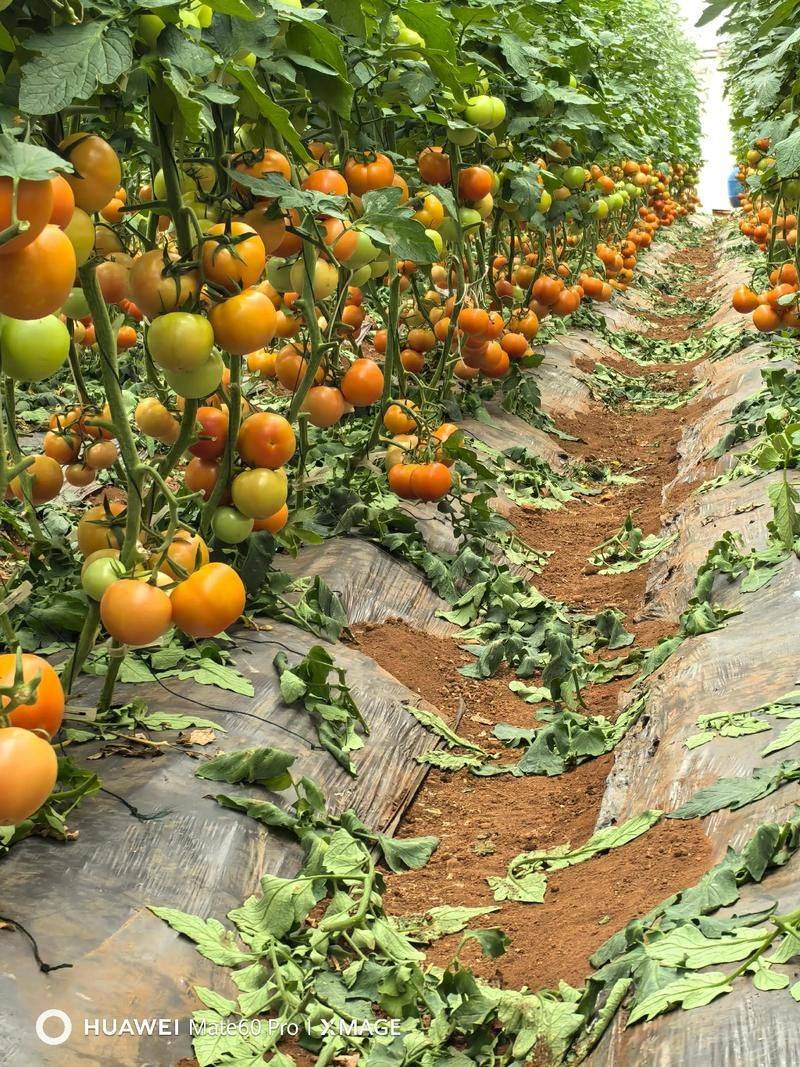
(1) prevention and control of pests and diseases are essential in the construction of the facility's stock of tomatoes. Common diseases are tomato night disease, early disease, as well as grey disease, and mainly aphids, white lice and red spiders. In order to combat pests and diseases effectively, prevention must be the primary focus of integrated prevention。
In the area of prevention, highly resistant varieties should be chosen, with reasonable rotation, avoiding reconnection and reducing the accumulation of pathogens. At the same time, field management has been strengthened to maintain ventilation in the sheds, reduce humidity and reduce the incidence of disease. For example, during the tomato growing season, leaves and branches are regularly removed to reduce the transmission of pathogens。
(2) physical control methods, such as the use of cedars, blueboard baiting aphids, white lice, etc., can be used in the early stages of disease and pests. The cedars and blue plates use aphids and white lice, respectively, to tend to tend to yellow and blue, and they induce them to stick to the plate. In addition, pest lighting can be used for booby traps with insecticidal lamps。
Chemical control is an important tool for pest and disease control, but care needs to be taken to rationally use pesticides to avoid drug resistance and environmental pollution. When used, highly efficient, low-toxic, low-residency pesticides such as polybacterium, encreasium, americium, etc. Should be selected. In the course of use, care should be taken to avoid the harmful effects of drug use and the frequency of application. For example, pesticides are sprayed every 7 to 10 days during tomato growth to effectively control the occurrence of pests。
(3) pest control should also be combined with biological control methods, using biological resources such as natural insects and microbes to reduce the incidence of pests. For example, insects such as aphids, aphids and aphids are exploited; microbiological agents such as bacteria and fungi are used to combat disease. Biological control methods have the advantage of being environmentally friendly and sustainable, and are ideal options for facilities to combat tomato pests and diseases。
In practice, physical, chemical and biological methods of control should be applied flexibly, depending on the type of disease or pest, the extent of occurrence and the effectiveness of the response. For example, in the early stages of tomato growth, the use of chemical pesticides has been reduced, mainly through physical and biological control, and the application of chemical pesticides has been increased in the event of serious pests and diseases, combined with biological control, to achieve the goal of integrated treatment. To ensure the production and quality of the facility's stock of tomatoes through scientifically sound pest control techniques。
Iii. Talking about those those those holders in city resources
3. 1 traditional cultivation patterns
(1) traditional cultivation patterns are the basis for talking about the production of large-scale tomatoes in urban facilities, dominated by simple plastic sheds, relying mainly on manual work and natural conditions. Under this pattern, tomato cultivation is relatively low, usually between 3,000 and 4,000 hectares per acre, facilitating field management and light ventilation。
In the case of a traditional tomato grower, for example, the farmer used a traditional cultivation model with an area of 2 acres. In 2022, the farmer produced 25,000 pounds of tomatoes, an average of 12,500 pounds/acre. Although production is modest, farmers have achieved steady gains through precision farming。
(2) under traditional cultivation patterns, tomato cultivation techniques are relatively simple and include, inter alia, seeding, breeding, planting, fertilization and irrigation. Growers prefer locally adapted and disease-resistant varieties such as "ruri" and "santa fruit". The nursery stage is low-cost, using traditional soil or nutritional kits。
For example, in 2023, a farmer used traditional cultivation patterns to grow tomatoes, choosing the “rurie” species. In the process of breeding, the survival of seedlings is ensured by the use of nutritional kits. After planting, farmers use manual weeding, fattening, etc., for field management, which, although not as intelligent as planting, is sufficient to meet local market needs。
(3) traditional cultivation patterns may be less economically efficient than intelligent ones, but they are adaptable and easy to replicate, especially in areas where farmers have limited access to technology and finance. According to statistics, about 60 per cent of tomato growers in the urban areas use traditional cultivation patterns。
However, traditional cultivation patterns also have problems, such as production