


In the early winter, the cold grew stronger, and the days of the hao people were red and red, and the heart was warmer. After a year of busy work, the village's grapes and vegetables are out of the shed, the estate is being built, villagers' wallets are drumming and the smile of happiness is spilling over。
Hao village has a long season, with high north-east and low south-west, with many sunsides, and sandy soil, rich in minerals, which provides unique conditions for fruit tree and facilities agriculture. Fruit trees and plant vegetables have become the mainstay of the country's revival, and rose grapes and tomatoes are widely known, as are the newly introduced grapes of queen nina, dream sky 2, the red obsession, the yellow obsession with tomatoes. After many years of nurturing, the fruit, full of crystals, has become the hope of the villagers to be rich。
Around the 15th of august, haomura's grapes were sold during the season. On the 102nd provincial road, a truck full of box-filled particles full of fine grapes comes and goes. When rose grapes were used only for wine brewing at the beginning of the euphoria restaurant, hao village seized the opportunity to grow on a large scale. Today, rose grapes have gained a big advantage。
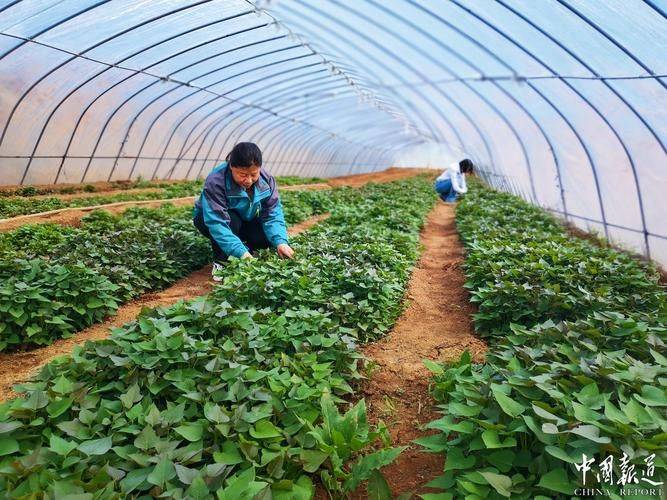
In addition to haomura grapes, haomura tomatoes are also very special. Provence tomatoes are good and of good quality, and market demand and prices are high. Hao farmers have acquired the technical advantage of planting, thanks to their extensive experience in the field and the professional guidance of the shanxi university of agriculture, the institute of vegetables and vegetables of the shanxi agricultural college of the province of shanxi, and the agricultural and rural department of taiya district。
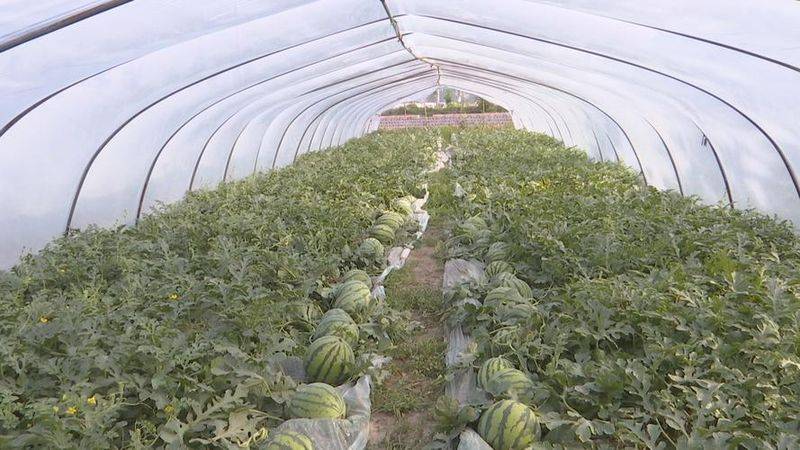
In recent years, hao village has adopted a comprehensive development strategy to promote the deep integration of the first, second and third sectors and to create a diversified pattern of farming industries in order to achieve a more productive market. Through the demonstration-led effect of two “seventy views of the agricultural brigade” in the euphoria tavern and the east valley, with rose grape extraction as a line and vegetable shed harvesting as a face, the rural cultural brigade was created to experience the long porch. Each year, grapes and tomatoes are picked up, and tourists come in to gather, build, study, study, tour, telecom live, etc., which brings considerable traffic and income to the village. With the expansion of the influence of the two distinctive brands, hao village has been following closely the situation, with targeted training for farmers in job entrepreneurship, leading villagers to develop tourism projects such as fruit and vegetable harvesting, hospitality, catering and entertainment, successfully transforming into a modern recreational farming complex with rural tourist fields, an engine of fruit trees and plant vegetables, and the rapid opening of the road to rural revitalization for the integration of the agricultural + cultural brigade in hao village。
The fruit and vegetables are sold well, and the supporting industrial facilities are indispensable. At the construction site of the hao village agro-industry integrated service centre project, two steel-structured vegetable trading sheds and a trading warehouse had been uprooted at the fruit and vegetable trading centre, workers were busy laying stakes, cramming fields, and excavators and shovels were constantly shuttled between the sites, presenting a hot and busy scene. In line with the development of the vegetable industry, hao village has made every effort to create modern agricultural estates that combine production, marketing, testing and storage of cold chains, using the advantages of traffic zones, and has effectively filled the gap in the development of vegetable trade in villages and villages. A total investment of $14. 5 million is planned for the construction of an integrated service centre for agro-industry and an agricultural demonstration park for modern facilities covering 45 acres of land. At present, project construction is well advanced and is expected to be operational next year。
Hao's grapes and tomatoes can be sold as best as the party's model of industrial development. In recent years, haomura's branch, with its development philosophy of “party-building strong villages, industrial resembling villages”, has taken full advantage of the role of the party's fighting forts and the pioneering role of its members, focusing on rose grapes and tomatoes as the dominant industries. Under the leadership of the party branch, a number of research initiatives have been launched to modernize agriculture: through the two co-operatives of the party branch, which take office benefits and market-based forms, a large number of farmers have been organized in an effort to boost the collective economy and have focused on a wide range of market issues, such as marketing of agricultural products and the purchase and sale of agricultural resources, which have led to a unique industrial development “hoo village model”. Under the leadership of the party's branches and cooperatives, farmers have joined forces to “grow” into the market, where previously decentralized grape and tomatoes growers have been able to gather together and build gradually larger, more standardized and standardized farming models. In order to further increase the income of villagers, hao village has also promoted a multi-channel marketing model that combines the “party building + electrician” lines, which has succeeded in achieving the win-win goal of growing the village's collective economy and increasing its wealth。
A round tomato, a string of purple grapes, together "string" the village's “sweet” path to wealth. Today, the facility in hao village has been growing 1,500 acres of vegetables, and the rose grape base has been gradually expanded from the initial 80 acres to 600 acres, successfully hitting the two “special” brands of “hau village tomatoes”, “hau village grapes” and upgrading industrial facilities in a comprehensive manner, moving out of a dynamic path of rural renewal and integration with the rich in industry。



