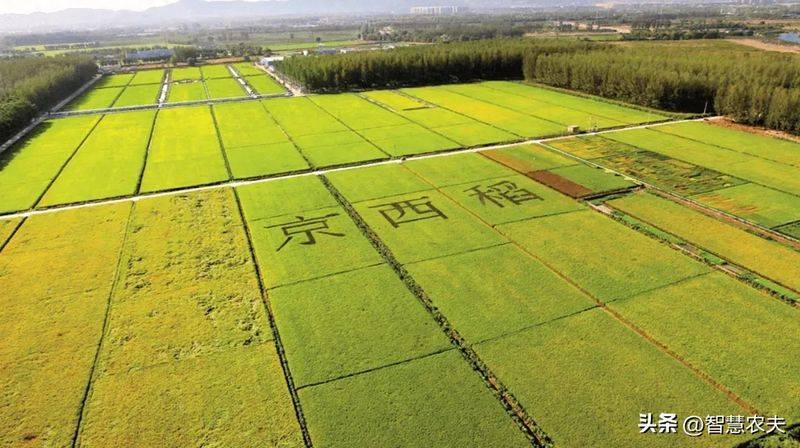
Beijing is regarded by many as a national political, cultural, scientific and technological centre, with high-rise buildings everywhere, and a rich modern international city. Few people link beijing to the “farmer” and it is even more surprising that there are still vast fields on this rich land, with hard-working farmers, and with endless crops. In fact, there was no shortage of agriculture in beijing. The mountains, the boom, the shuny, the valleys, the clouds and the yenqing areas are scattered over large fields of agricultural land, wheat and maize are growing in the wind, and guacamole and vegetables are fragrances throughout the seasons, constituting the indispensable “meat bags” and “baskets” in the capital. Once upon a time, the farmers were facing the sky on the yellow side, eating from the sky, farming on the strength of their means, sweating their land and guarding the basic supplies of the city, like the thousands of villages throughout the country。
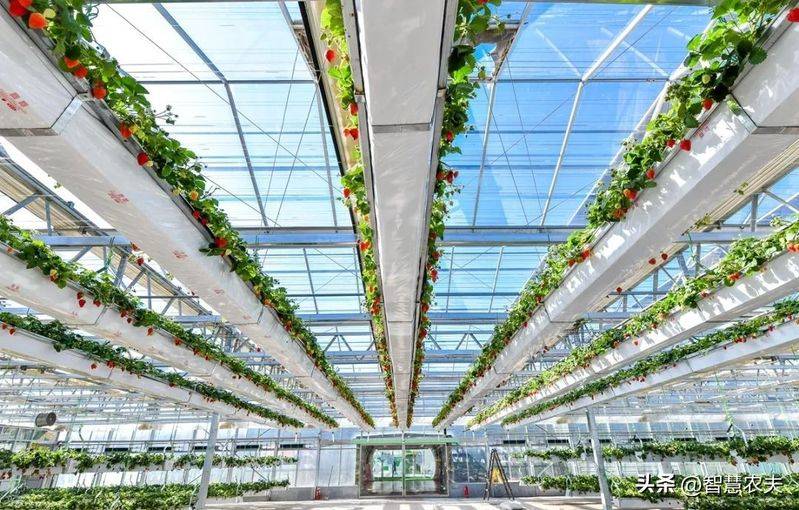
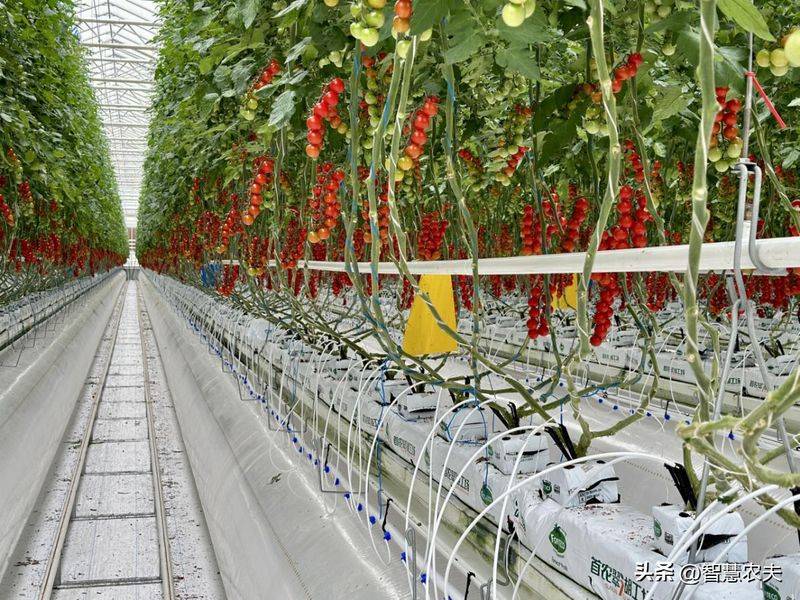
However, today's beijing agriculture has left its traditional farming model behind, but is a modern, high-tech, high-quality, high-value, multifunctional urban agriculture. I've been able to get to the smart, modern fast track. As a national high-tech site, beijing has moved state-of-the-art technologies into the fields, making agricultural production efficient and accurate. Uavs travel through the fields, allowing mobile phones to manipulate sowing harvesting; internet-connected devices to monitor soil conditions, crop growth and the accurate supply of integrated water fertilizers in real time; the ai agricultural magnificent model for the diagnosis of pests and pests; and the ssi-wide monitoring; and smart greenhouses and plant plants to produce uninterruptedly throughout the year, breaking seasonal and environmental constraints. From seed development to field management to product production, the scientific and technological contribution of agriculture in beijing has been at the forefront of the country's efforts, and it has taken on the responsibility of the “root of seed” and the “chips” of national agriculture。
1. How many agricultural lands are in beijing? What is it
In 2024, 1,413,000 acres of food were planted, with a total production of 5,766,000 tons; 2. 02 million tons of vegetables and 126,000 tons of melon fruit were planted。
In 2025, 1484,000 acres of food were planted and 596,000 tons produced, exceeding the national mandate。
Main crops: maize, wheat, vegetables, watermelons, strawberries, grapes, etc。
The areas covered are large agricultural fields in the 13 rural-related areas of hashiyama, shinyi, pingya, mt. Mae and yonqing。
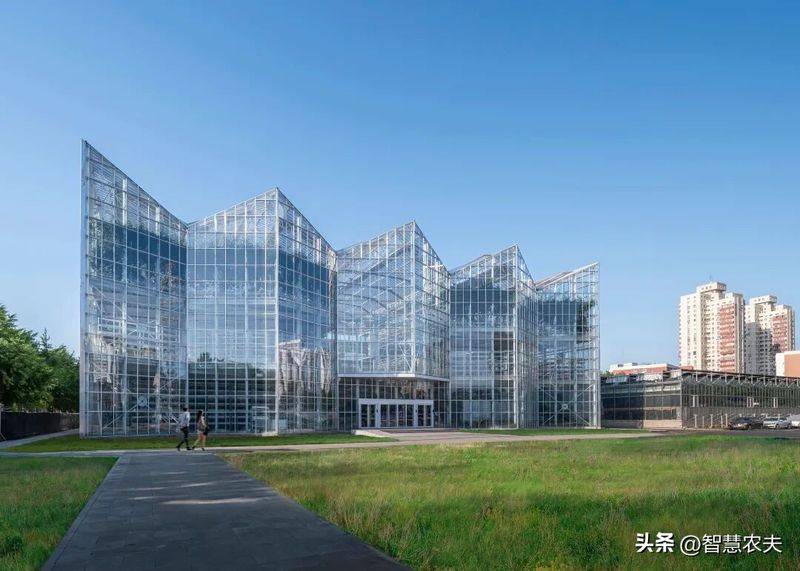
From “face to yellow land” to “technology and farming”: the leap to beijing agriculture
Beijing agriculture is no longer a traditional model, but rather a modern, high-tech, high-quality, high-value, multifunctional urban agriculture. The rate of scientific and technological contributions is nationally high: 75 per cent, well above the national average。
The country has 214,000 stockholdings (the first in the country); 29 industry enterprises (the first in the country); and 9 species breeding international。
Wisdom agriculture is covered
Uavs: unmanned tractors, harvesters, mobile phones, 15-20% efficiency。
Sky field monitoring: remote sensing + networking of objects + ai, precision piped water, fertilizers, pests。
Smart greenhouses/ botanical plants: smart greenhouses such as haidry lake, da xing hongfang and the village of kwangang in hindiya, with year-round precision and light temperature control。
Agricultural mega-models: ai plant protection mega-models, qeeg mega-models, national leader。
High standard agricultural land: 890,000 acres cumulatively, with high productivity。
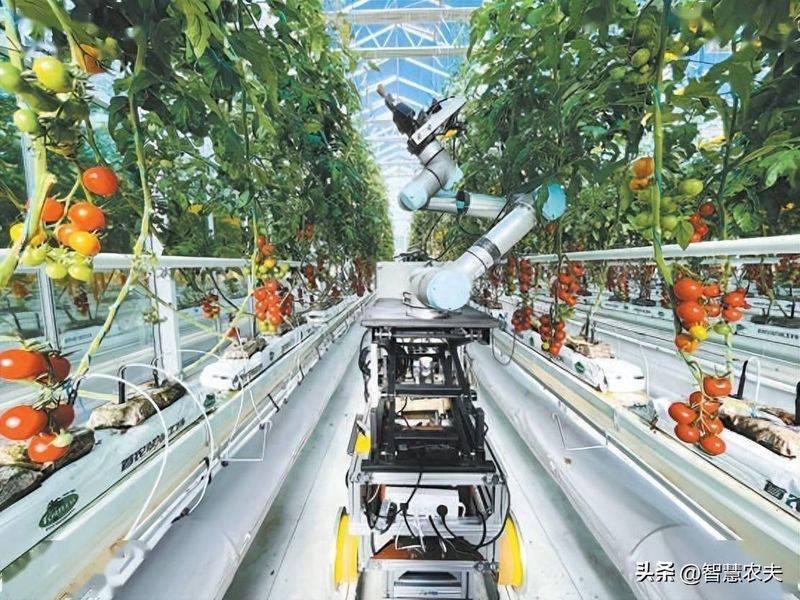
Iii. Positioning of beijing agriculture: urban, science and technology, services
The scale of agriculture in beijing is no longer limited to mere food production, but rather to experimental fields of urban modern agriculture, applications of scientific and technological innovation. Technology, quality, ecology, branding. It is both a rice bag “basket” and an agricultural village, an innovative land for farming and a recreational agricultural park for citizens. In 2024, there were 8. 87 million visitors to leisure agriculture and 1. 62 billion yuan in rural tourism. Beijing is a land of science and technology, of quality, which preserves the country's pyrotechnics and carries the future direction of agriculture。