


Civil law: civil law is a more familiar subject for most undergraduate students, with more time spent in this subject and a better understanding of the overall structure and characteristics. This is, of course, a better student for civil law studies, in combination with my personal studies, a civil law that i have chosen in a desperate manner, because my undergraduate civil law is not very well learned, and the basics are not enough. In particular, the civil law test was opened on the examination floor, and it was found that both subjects had nothing to do with themselves, and that they had lost their minds when they had a little bit of knowledge. The story tells us that we don't normally think we're going to pass the test, and don't forget to look at it with a sense of luck. It's possible that the teacher thought the same thing. The story follows when, after all the other subjects had been written, a hard-headed response to the civil law test began, with the sporadic memory of both points of knowledge in the undergraduate class, which brought together an answer that barely convinced itself. Perhaps because the other two subjects i chose were better answered, the application was 119 points (in the context of this year’s larger overall application scores than theoretical ones), which is also a bad score。
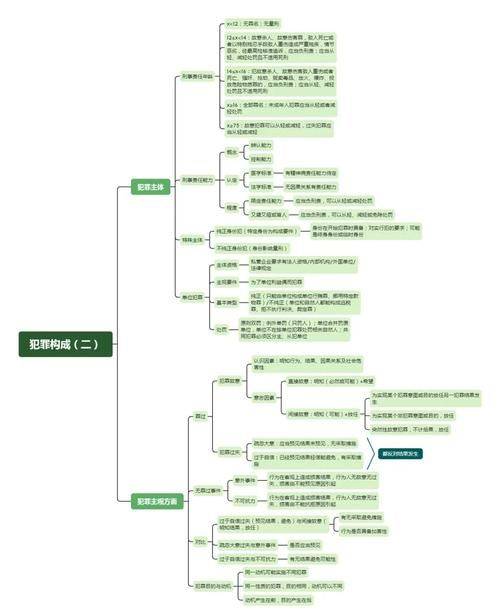
Criminal law: for the first human examination, it is almost compulsory. This is based not only on the relative importance attached to the study of criminal law by the undergraduate of law, but also on the fact that criminal law itself is systematized and systematized. The subject of basic knowledge points, such as the distinction between kidnapping and robbery, is now largely unknown in the general penal code, and criminal law examinations are increasingly “scrutinizing”, focusing on case analysis and the integration of theoretical hotspots with the basic principles of criminal law, particularly with regard to judicial interpretation, which is almost two years old. So the choice of criminal law is based on the theoretical + hotspot model, which, in addition to the better knowledge of the basics of criminal law, needs to have its own thinking and opinion, which is not difficult for individuals, (and perhaps because i'm more interested in the profession of criminal law)。
Intellectual property law: if civil and criminal law have been chosen, then the third choice of intellectual property law is more recommended by me personally. Because knowledge of the seven subjects is already relatively low, focused and knowledge systematized. Easy to understand. In comparison to subjects such as economic law, procedural law, etc., there is relatively little pressure to review. Moreover, compared to the re-testing topic of knowledge, individuals feel that the initial test topic is relatively biased, simpler and less difficult。
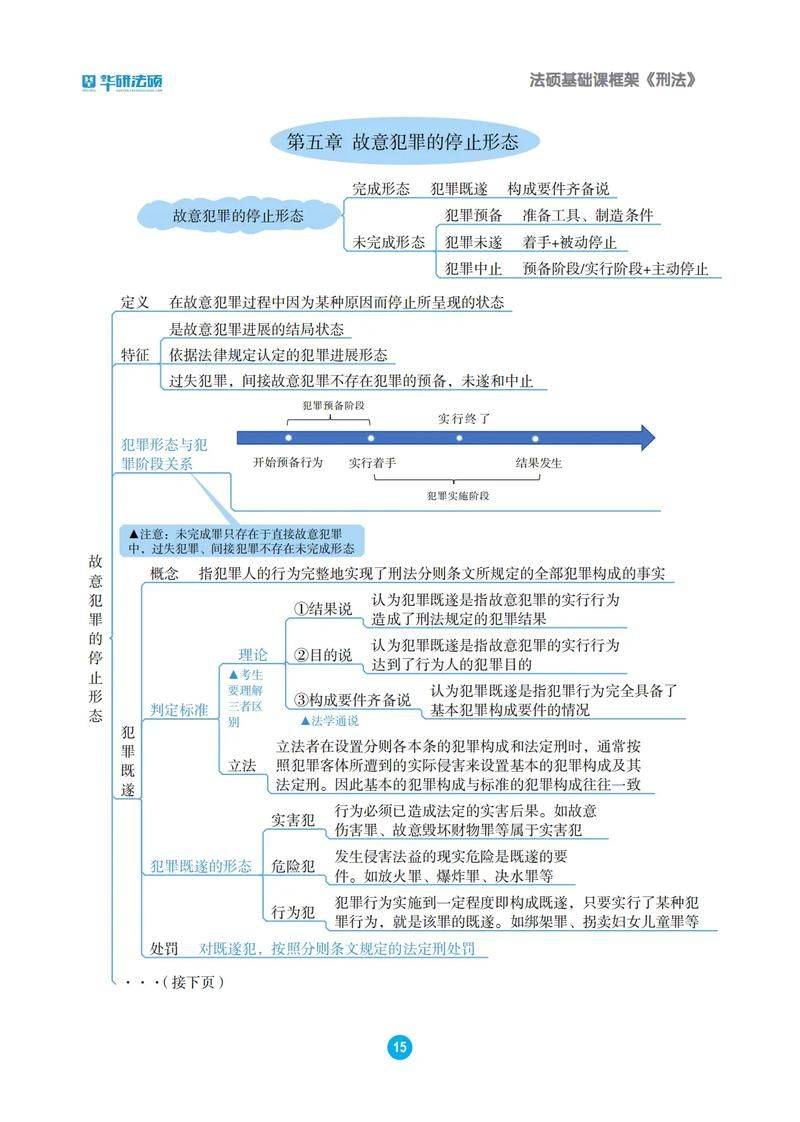
(a) procedural law: except for those who study in the study and who are better qualified in the law of procedure, the choice of the subject is not recommended. It is too extensive and involves both the code of criminal procedure and the code of civil procedure, the knowledge to remember is numerous and complex and the examination is difficult. It feels like a significant part of the review pressure will be added。
Environmental law: idem, no choice is recommended except for those studying in environmental law. While environmental law is less knowledgeable than procedural law and the subject is not very difficult to examine, the subject of environmental law itself is not particularly familiar to ordinary classmates and is essentially equivalent to re-learning myself, so i did not choose it。
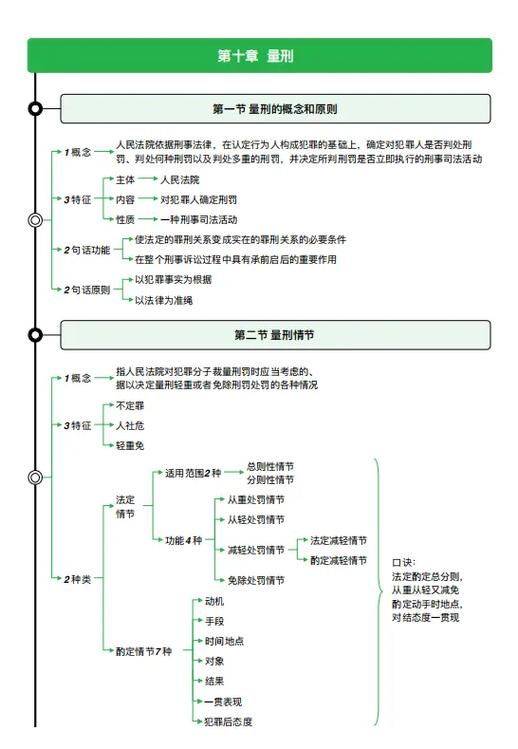
Economic law: economic law is a more advanced subject that combines at the same time. If economic law is well founded, there is a strong interest in economic law or the choice of students who study economic law, but i personally feel that economic law is more extensive in the choice of subjects, and that i have not a very good economic law base, and given the probability of changes in the relevant legislation, which makes it more difficult to review it. But this is my personal experience, and it can only be used as a reference。



