The method used to plant the pyrocococococcal bed is to prepare the fungi bed first, and then plant the seed in the lower layer of the rods and the surrounding layer of the earth, which are placed as it is. The use of fixed bacterial beds has proven to be more efficient in the production of raw materials in tianmima, which is stable and suitable for large areas of production。
I. Development of quality bacterial branches
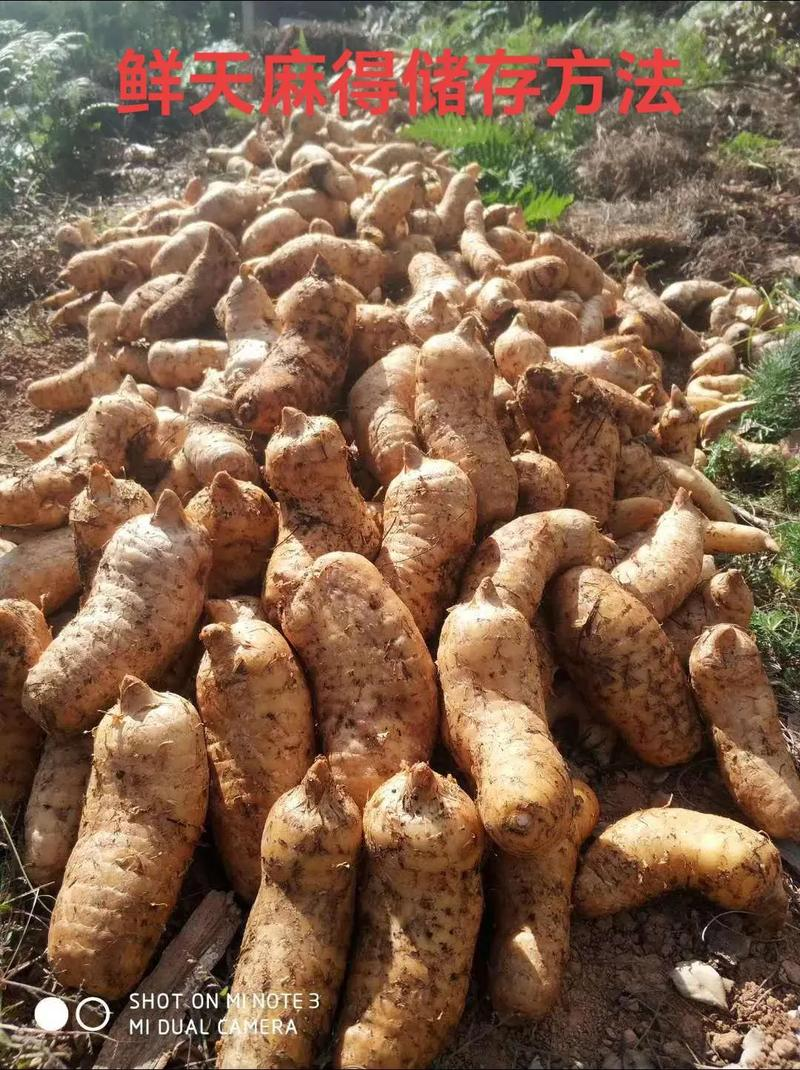
The more economical approach is to develop its own circulus branches, which are used to purchase high-quality bacteria from specialized producers. Old strains tend to carry bacteria and are weak in life, affecting yields rather than being used. In the first instance, the bacterial branch shall be bred by a thick, thick, broad leaf branch, slashed to 7 cm to 10 cm long, impregnated with 0. 25 per cent ammonium nitrate solution for 3 to 5 minutes, and a 30 cm deep and 60 cm long square pit shall be dug, a thin layer of leaves shall be laid in the pit, and a single branch shall be placed in a single branch of the tree, which shall sown the tree, and shall then be covered with a layer of sandy or corrosive soil, the thickness of which shall be appropriate in the absence of the branch. This is followed by a layering of seven to eight floors, with 6 to 9 centimetres of covered soil, and leaves to keep warm. When the bacterial branches grow a strong brown cord, they can be used. Bacteria are usually cultivated between may and june。
Ii. Selection of production sites for fixed bacterial beds
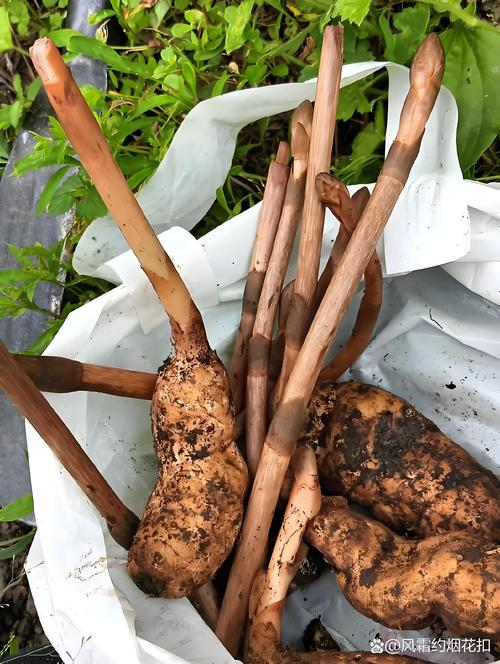
The environment in which the bed is fixed is suitable for the growth of the fertilism, but also for the growth of the meringue, bearing in mind the principle of the “sixs rather than sixs”, i. E., the field of the forest, not the grass; the land of the forest, not the land of the land, not the land of the garden; the sand and sandy earth of the soil of the earth, not the clay of the clay; the slopes of the land, which are well drained, and not the lowlands of the water; the forest or bamboo, which is thin, and not the open areas without shade; and the warm, wet and dry sites。
Iii. The size and sowing of the bacterial bed shall be moderate
Fixed bacterial beds usually take place between july and august, and the pits in which the bacterial beds are placed cannot be dug too large, usually 50 cm deep, 60 cm wide and 100 cm long. A leaf is laid at the bottom of the pit, followed by two layers of new rods, with only five to six bacterial branches per nest. The bar breaks between 1. 5 and 3 cm. In each of the two new rods, two to three sections of the bacterium are planted, and the soil is covered from 9 to 15 centimetres. The seeding took place at the end of october and the beginning of november, when it began by digging out a bacterium bed, taking out the upper bacterium rod, remaining still in the lower baptism, and then digging a small hole in the plume with a small shovel between the lower boulders and planting the plaster to level the stick. The same method is used in the upper layers. In the middle of the two rods, the pheasants are placed with three ferocious species close to the rod, two of the growth points of the two in order to facilitate sufficient space for growth, and two fertilized species, five per rod and about 25 per lacuna, at both ends of the rod. Leafs at the bottom and on the pit are suitable for 0. 5 centimetres thick and flow in the air。
Iv. Attention to the management of warm water following sterilisation
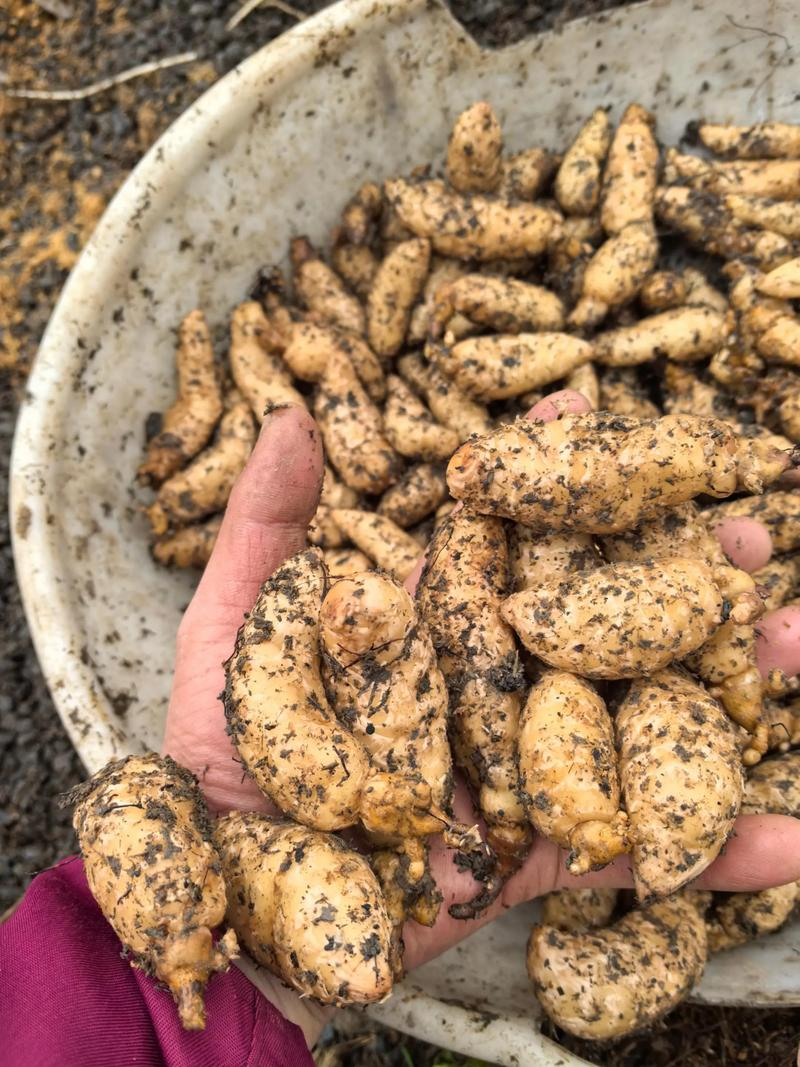
As well as planting other crops, sterilization requires careful care, and post-plant management focuses on temperature and water management. Temperature management: the temperature of the earth layer above 0°c is appropriate during winter. In normal weather conditions, the weather vasectomy follows seasonal cooling and is increasingly resistant to cold, and if it suddenly cools in late autumn or early spring, it is not too late for winter to turn over, and new vasectomy planted in winter should cover leaves or thicken the earth to prevent freezing. 2. Water management: the amount of water required is small at springtime when the plume is moving, the amount of water required during the lumbering season from june to august, and the amount of water required is low in late september, when the plume is in the nutrient accumulation phase and gradually is in hibernation. According to this pattern, a shallow drainage ditch can be dug around the avalanche, rain can drain at times, water can be irrigated during dry times, and the fungus kept wet. For fear of drought and flooding, attention should be paid to drainage during the rainy season and to combating flooding, especially in the autumn, when the sterility of the sterility is over and the resistance is weak and prone to decay if wet. (source: zhang zhongping, 3 may 1999)