Teams working on technology research and development and product innovation fear two things most: hard-earned technologies are copied, big patents, trademarks, soft piles of “information islands”, and manual management is slow and prone to risk leakage. Traditional knowledge management, which relies on manual filings, time frames and duplications, is not only inefficient, but also often leads to annual under-payment, torts and new denials of patent access. The ai intellectual property management system (ipms) is an artificial intelligence-based “intellectual mind housekeeper” that deals with cumbersome processes, complex analyses and hidden risks, leaving all of them to algorithms, and moving knowledge-based management from “manual sprawl” to “technical refinement”。

Core technology bottom-up: no-fake, it's all about real pain
The system is not a simple document storage tool, but is supported by three core technologies, each of which directly strikes the industry。
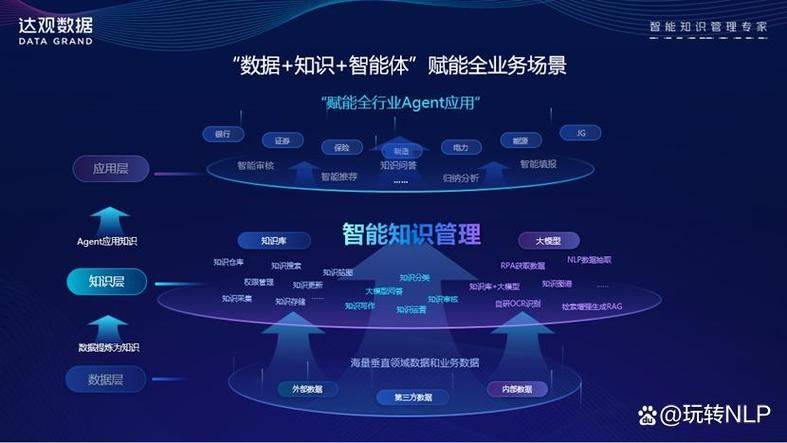
Landscape scenarios: the value that technologists can sense directly
For r & d teams and enterprises, ai ip management systems are not distant technology concepts, but effective tools that can be put on the ground. Once the technology programme has been submitted by the r&d staff, the system will examine the patentability of new judgements and avoid duplication of r&d; legal and intellectual work will no longer require manual preparation of the inventory accounts; the system will automatically classify the filing of patents, trademarks, softhands and generate visualized asset statements; management will be able to see the short layout of the production and fast-track the direction of r&d; and in case of tort disputes, the system will quickly lock up evidence, combe the rights path and reduce the cost of defending rights。

In essence, ai's intellectual property management system is a technology to free people from knowledge management from “aftercare” to “pre-emptive control and control over the whole process”. At a time when innovation is increasingly competitive, good governance of intellectual property rights is to preserve core competitiveness, while the addition of ai technology allows small and medium-sized teams to have the capacity to manage their properties at the large plant level, without the need to consume innovation for cumbersome processes。