


The correspondent, chan tsing
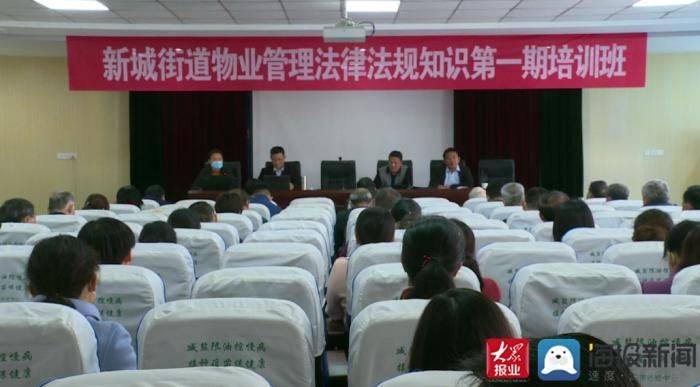
In order to further regulate property management practices and upgrade the level of property services, on 6 november, the new city street of fatty city organized a training course on legal and regulatory aspects of property management in the western community, and the head of the centre for property guidance of the centre for the management of fatty city property was invited to train lawyers from the people's centre for the mediation of intellectual and property disputes in the area of property management. A total of more than 80 persons attended the training。
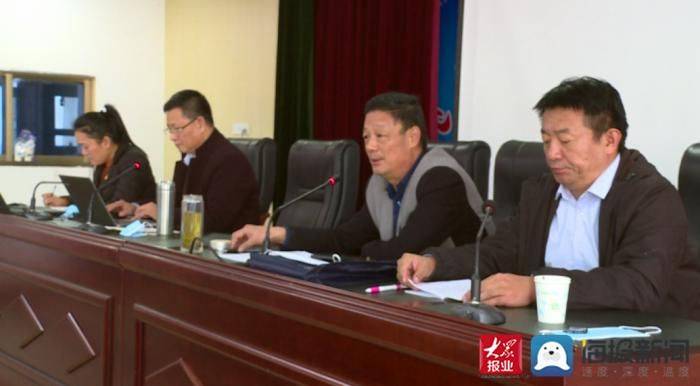
At the training sessions, the concept of property services and management, the scope of management of property services enterprises, and the process of establishment of boards of owners were discussed in detail in the context of masters ' intellectual experience in research and management of property. In conjunction with the newly promulgated civil code, the relevant laws and regulations governing the administration of property, such as property rights and property service contracts, have been carefully read. At the meeting, liu jun, director of the new city street property management office, stated that the management of property in small areas is closely linked to the lives of the people and that it is closely linked to community governance, integrated urban management and economic and social development, and is an important part of community governance and a vital issue for the livelihood of the people. As a result of this training, liu jun requested that the enterprises and the members of the board, among others, improve their capacity in the management of property in the sub-districts and lay the groundwork for better management of property。
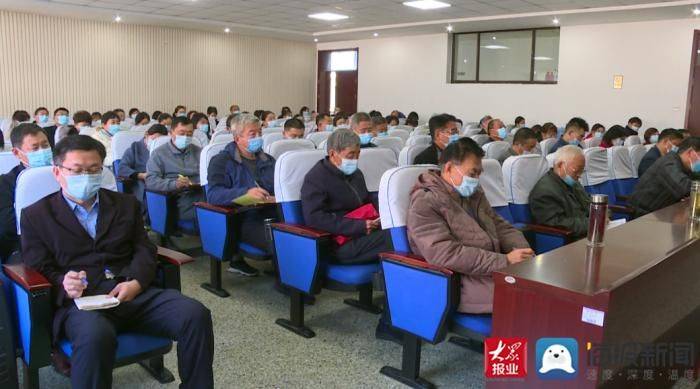
The training further rationalized the relationship between property services enterprises, business boards, sub-districts, etc., in the management of the sub-districts, clarified their respective responsibilities and created a “neuro-closure” in the governance of the sub-districts and promoted the concept of the rule of law in the streets of the city。



