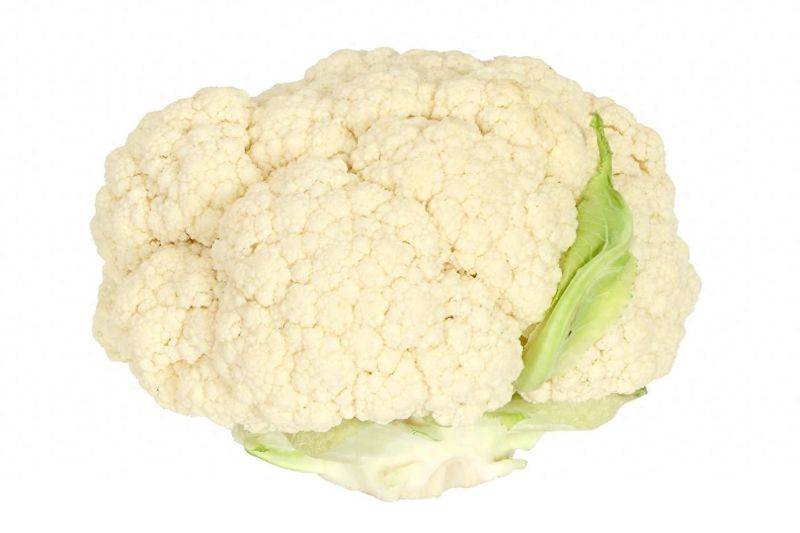
Vegetables, also known as broccoli and cabbage, are the “hot man” of cross-flower vegetables. It is cooked with a clean, white and fresh taste, which is cool and clear, as well as with meat stew, and is a common food item in family tables and health menus. Looks like a regular vegetable flower, with a history of cultivation across the millennium and a wealth of dietary fibres and vitamins, is a true “nutrient power”。
I. The ancient history of the cuisine: from the mediterranean to the global table
The "grandfather" of the vegetable is the wild kale on the mediterranean coast. As early as the sixth century b. C., ancient greeks and romans began to domesticate wild kale, initially growing closer to the “fruit kale” until around the second century b. C., when the flowering of the flowering flower was gradually cultivated by choice, the roman scholars at that time also documented its cultivation as “white flowers”。
However, the road to the popularization of vegetables has not been smooth:
Europe's “small food” period: europe in the middle ages (5-15 century) is rarely accessible to ordinary people because of limited agricultural technology, small-scale growing of vegetables in regions of southern europe such as italy and spain, and often as “prefect food” for nobility tables. It was not until the 16th century's great discovery that, with the spread of planting techniques, the vegetable flowers gradually entered western european countries, such as france and the united kingdom, and slowly entered ordinary families. “the late arrivals” in china: the vegetable flowers entered china late in the early twentieth century, brought in by european missionaries and expatriates at the beginning of the twentieth century. They were initially grown only at commercial ports along the coast, such as shanghai and guangzhou, and gradually spread to the interior because of their low level of taste and diverse practices. After the 1980s, with the development of growing technology in the big sheds, the vegetables have been available for four seasons and have now become a “frequent” in the food markets across the north and the south, producing classic chinese dishes such as cuisine, cuisine and cuisine。
It's worth mentioning that what we used to say about broccoli is actually the "neighborhood" of a vegetable -- the difference is that the orchids are green and have higher levels of beta-carrotin; and the traditional orchids are white, vitamin c and diet fibre, all of which are high-quality cross-flower vegetables。
Ii. Nutritional component per 100g vegetable flower (sprouts, florist part)
The nutritional advantages of vegetable flowers are concentrated in “high fibres, high vitamins”, especially vitamin c, which contains far more than most vegetables, and is a “natural vitamin c treasure house”, with reference to china's food component table:
Nutrition category
Content
Remarks (means to the human body)
Energy
24 kcal
Extremely low calorie, 100g, equal to only 1/7 eggs, is the ideal option for a population of less fat and sugar
Water
92. 4g
It's over 90% water. It's soft. It's good to eat. Min
Protein
2. 1g
Plant protein content is higher in vegetables and contains essential amino acid in humans, with better nutrition for staple foods
Carbohydrates
4. 6g
It's mainly soluble sugar and starch
Food fibres
1. 6g
It's higher than eggplant, cucumber, which promotes intestinal creeping, reduces constipation and slows the rise of blood sugar after meals
Vitamin c
61 mg
It's 15 times the amount of apples, three times the amount of tomatoes, maximum food retention, 50% after heating
Vitamin k
19 ug
Critical to blood condensation and bone health, it's easily neglected "skeletal nutrients"
Potassium element
200 mg
Help regulate the electrolyte balance in the body, assist in stabilizing blood pressure, and reduce oedema
Folic acid (vitamin b9)
43 ug
Important nutrients for pre-pregnancy and gestational populations, preventing foetal neurosis form
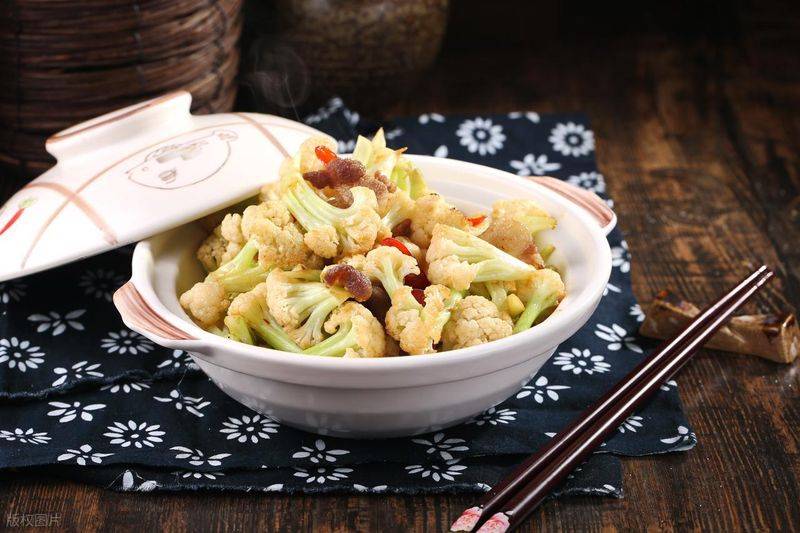
Note: 1 vegetable c - can be made of vegetable salad, sauerkraut, but needs to be thoroughly cleaned (with 10 minutes of salt water soaking to remove residual pesticides and hidden little insects);2 when cooking, it is recommended that “fry or steam”: avoiding a long period of stew, which would otherwise lead to a large loss of vitamin c, and softer tastes;3 the bouquets of the bouquets of the bouquet are easy to hide stains, and when cleaning, small doves need to be broken to ensure that they are clean。
Iii. Sports required to consume the energy of 100g vegetable flowers (lives, peanuts) long
Based on the "24 kilocalories of energy per 100g lettuce" combined with the motor metabolic criterion (medium strength) for 60kg weight adults, the required length is extremely short, as follows:
Note: owing to the extremely low heating of vegetables, there is little need for physical consumption after daily consumption; if body weight is low (e. G. 50kg), the length of exercise may increase slightly to 3 minutes, and the weight of weight (e. G. 70kg) may be reduced to 1. 5-4 minutes, with negligible differences. If you eat a “dry boiler flower” (with more grease), the energy rises to 80-100 kcal/100g, which takes 8-10 minutes for jogging and 5-6 minutes for jumping ropes。
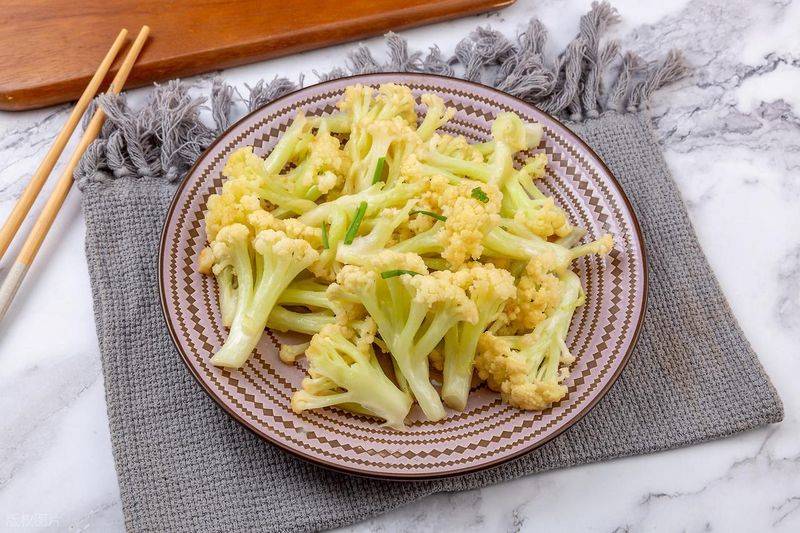
So how do you usually cook? How do you consume energy? Leave your daily records