Autumn cultivation methods and care: autumn is also named sheep beans, autumn, coffee aces, etc. It's a year-old acacia. Egypt was the first to grow before 2000 and is now distributed around the world in the united states of america. In recent years, mainland china has been introduced from taiwan and japan。
In recent years, mainland china has been introduced from taiwan and japan. Autumn foods are divided into berries, horns of sheep, with a pentagon or hexagonal face, and contain a wealth of shelter a, vitamin b, vitamin c, as well as trace elements such as iron, potassium and calcium, which are new types of health vegetables with higher nutritional value. It is fine and also contains a mucous glucose protein, which protects the stomach, liver and skin mucous membranes and is effective in treating stomachitis, stomach ulcer and herpes. They can be used to cook, make soup, mix, and in a country with a great variety of tastes, as the preferred vegetables for athletes. Its leaves, buds and flowers can also be eaten. Dry seeds can provide grease and protein and can be used as an additive or substitute for coffee. Flowers, seeds, roots can be drugged, and they are effective for haemorrhoids and sprouts. Their products can be processed and exported in large quantities and are well received by domestic and foreign consumers。
I. Autumn biology
Autumn is a straight root system with a relatively well-developed principal, spread over a 50-60-cm range of 283 special vegetable-planted new technology soils with greater drought resistance. The tubers are standing straight, 11, 2 m tall, with hair on the plume axis and post-woodization. The base section is shorter and the armpits often have side branches. And the upper section is longer, and there is no branch. It's mostly green or dark purple red. Leaves are born, leaves are hairy, palms are split 3-5. The leaves are thinly long, the lower leaves are large, they are shallow, the upper leaves are small, they are deep, and the leaves are short。
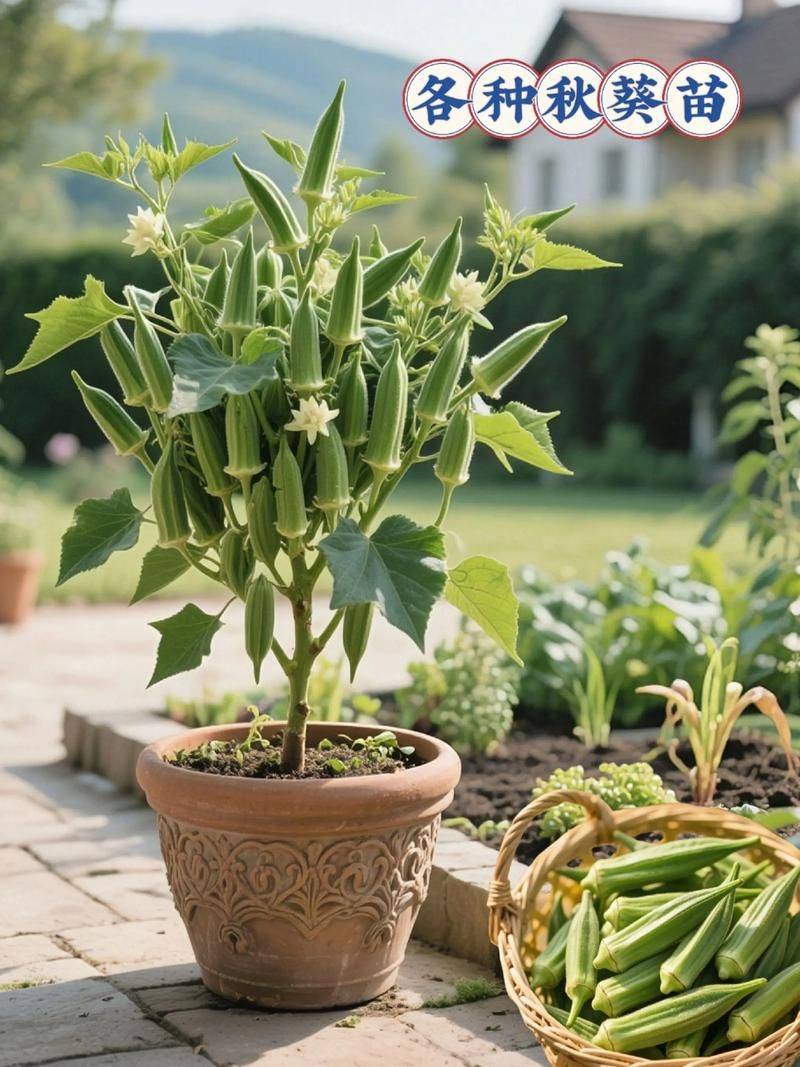
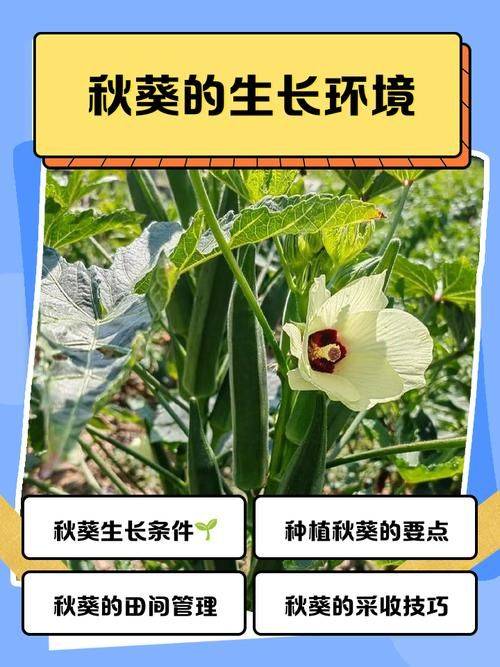
In general, all the leaves above the third leaf have a flower. A single flower, a double flower, a crown yellow, a petal, a slice of five, a little hair on the surface. And there shall not be a branch of a leaf that contains a leaf, and it shall not be of a leaf that contains a leaf, and it may be of a branch. Flowers usually start from the bottom up, one or two a day. Flowers are slowly and late at lower temperatures, and one or two days later. The flowers start at 8-9 a. M., the afternoon falls, the sun sets。
The fruit is twilight, thin tops, bending like a sheep's horn, with 5 to 10 flints and 6 to 25 cm long. The fruit surface is covered with hair, sub-room 5-u, with an average of 47 seeds ~ 180. The nuts are initially thick green, then dark green. When the fruit matures, it turns yellow, turns brown, breaks naturally, seeds have a near-spherical shape, with a diameter of 4-6 mm, and the skin is grey green, seeds have germinate ages of 3-5 years and thousands weigh about 55 g。
Ii. Autumn growth
(1) spectrum. It takes 10-15 days for the seeding to be staged in two leaves. At 25-30°c, seeding can occur in four to five days. It usually takes about seven days for the seedlings to come out of the soil in the open air, with membranes covering two to four days in advance。
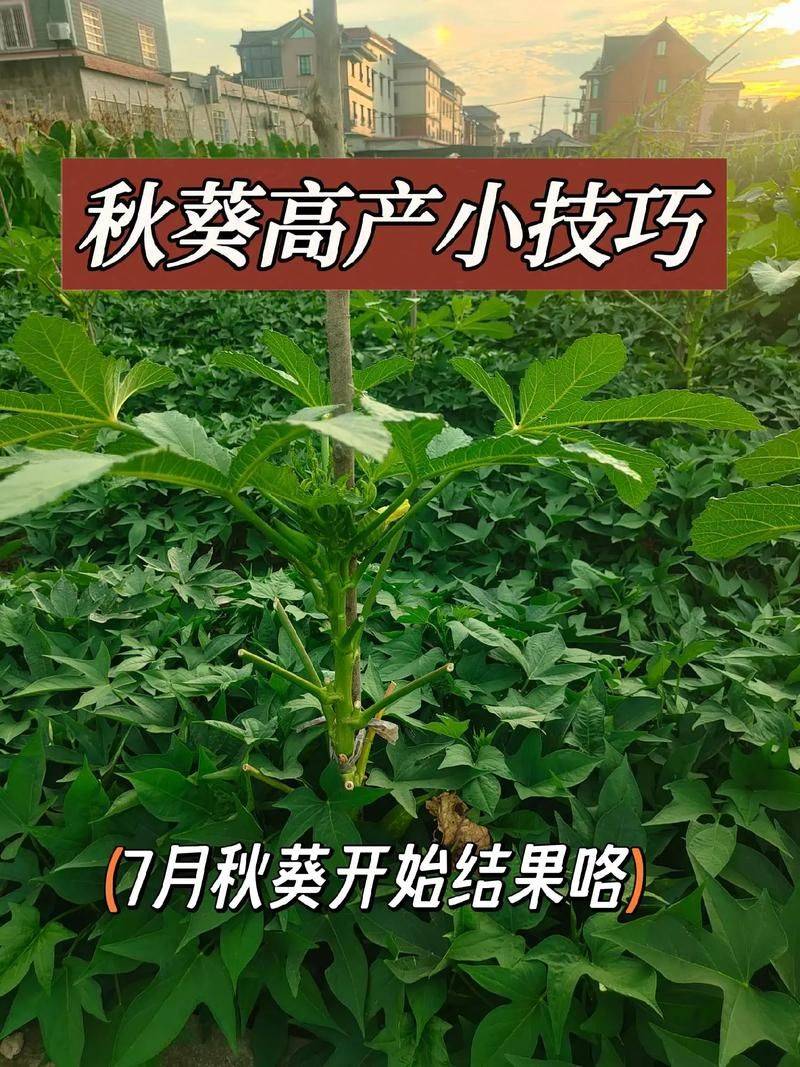
(2) premium. It takes 40 to 45 days from the two leaves to the opening of the first flower. The first leaf spreads over 15-25 days after the general leaf is fully spread. The seedlings grow slowly and even more so when the temperature is too low。
(3) the flowering outcome period. It takes 85 to 120 days from the beginning to the end of the harvest。
The second flower takes a slightly longer time from flowering to harvest, which is later reduced when the temperature rises. The first harvest is usually available about 70 days after seeding. At 28-32°c, four days after blooming at 18-20°c. As a result of the flowering of the autumn, the size of the villa grew faster, particularly at high temperatures, with one leaf spread every three days in july and one leaf spread every four to five days in september。
Iii. Requirements for living conditions for autumn cultivation
(1) temperature. Autumn sunflowers are warm, afraid of cold, strong in heat. When the temperature is 13°c; when the temperature is about 15°c, the seed can germinate. However, seeds germinate at 25-30°c and are at moderate temperatures during the reproductive period. Average monthly temperatures are below 170c, which affects flowering; night temperatures are below 14°c and are slow to grow, with small plants, narrow leaves, few flowers and many flowers. 26 ~ 28 °c warmth, high sit-in rate, high growth, high yield and good quality。
(2) water. The sunflowers are dry and wet, but they are not flood resistant. The fertilizing soil is wet and prone to incubation. The end period was dry, the plant was poorly grown and of poor quality, and the soil was always wet。
(3) light. Autumn is particularly sensitive to light conditions, which require long and sufficient light. The choice should be to go towards the solar field, to improve the ventilation, and to be careful to keep it safe so that it does not hide from each other and influence the ventilation。
(4) soil nutrition. Autumn is more adaptable to the soil and has much to offer, but it is more appropriate to have deep, thin, fertile, well drained or sandy soils. Fertilizers are predominantly nitrogen-based during the pre-growth period, with higher demand for phosphorus and potassium. But there is too much nitrogen fattening, and the plant is easily grown, the flowering results are delayed and the seating table is elevated; there is not enough nitrogen fattening, and the plant is poorly grown to affect the flowering fruit。