


In the age of the explosion of information, short videos and games have captured the attention of children, and many parents have been troubled by the fact that children are reluctant to read, forced to read and have little effect. In fact, it is not “forced indoctrination”, but a scientific approach that makes reading the child's own choice and daily companionship. As the headline operator of the day, combining the concept of authoritative education with practical experience, the correct opening for parents to develop their children's reading habits is to help you to build a family of books。
First, to break the utilitarian heart and return reading to its happy nature
Many parents train their children to read with a clear objective: to learn to read, to practice expression, to improve their performance, to criticize the child if it fails to meet expectations, and to make it counterproductive to read. A true reading enlightenment. The core is "to read first, then to read."。
Do not label reading with a “mission label”, do not force the child to “must read a book” and do not ask “what is learned”. The first steps can be taken from drawings, reading comics, reading games and drawings of interest to children, even if one page per day is read and five minutes is turned. As shenzhen’s education agency has advocated, respect for children’s reading preferences is more important than the mandatory recommendation of “the book to read” – so that children feel that reading is an easy, fun experience, not a heavy burden。
At the same time, the child is allowed to “read free books”. Both fairy tales, comic books and fun magazines give full credit to children who wish to read them. The value of reading is not “useful”, but rather to nurture hearts and minds, and when children are happy with reading, they naturally approach books。
Ii. Building a “simmering environment” that is accessible to reading hands
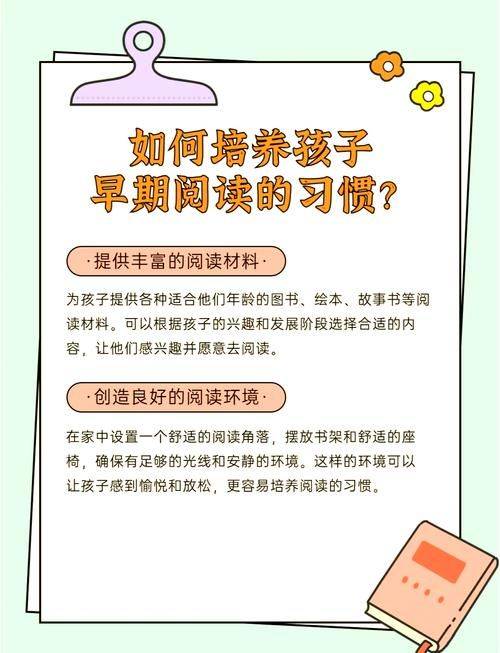
The environment is essential for the children's habits, and a family atmosphere full of books is better than a hundred sentences. Parents can create a reading environment in three dimensions, so that the child “can read, read, read and read”。
First, create an exclusive reading angle. In the children's bedroom, living room, balcony, etc., low-end bookshelves, drawing books, storybooks, soft mats, small lights, etc., to reach the books. Reference is made to the 333-reading method, which allows children to develop a focus in front of the desk, enjoy comfortable reading on a floating window or couch, read in the outdoors or on the balcony, and change the scenes to make reading more fun。
Second, parents are good reading role models. Children are the mirrors of their parents, who are hard to believe when they are asked to read every day to use their mobile phone and television. It is recommended that “home reading time” be set at 15-30 minutes per day, with parents taking up books to read, so that children can see that reading is a daily pleasure. It has been studied that the probability of children reading by their parents is more than three times higher。
Finally, an atmosphere of “readability everywhere” was created. The books are distributed widely: the dining room teas, beds, restaurants and even toilets so that children can pick up a book while they wait and rest. Take the children to libraries, bookstores, and “scaves”, so that the children feel the charm of the books in a strong reading atmosphere and stimulate interest in reading。
Building bridges between parenting and reading
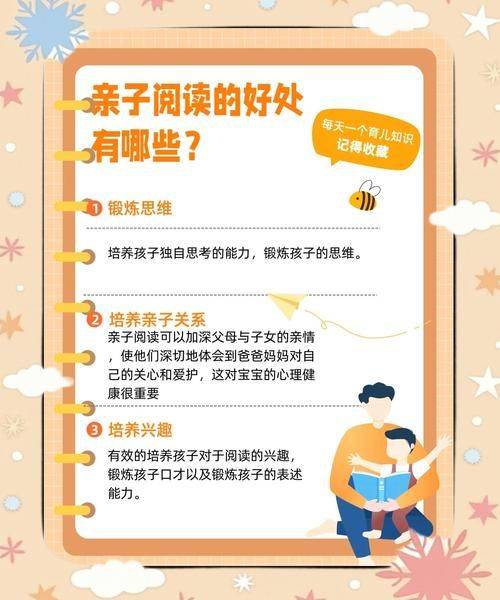
Parent-child reading is one of the most effective ways to develop children's reading habits, both in terms of bringing them closer together and enabling them to adapt to the reading rhythm. The key is “to be with you with your heart” rather than “to do your job”. Fixed reading rituals, creating customary closed loops. Set a fixed time per day, such as 15 minutes before bed, 5 minutes after breakfast, read with the children, so that reading becomes a daily “fixed action”. Reading programmes can be developed with children, with daily reading times and bibliographies set according to age, so that “three days of fishing and two days of sunning” is avoided. Interactive reading, stimulating children to think. When you read the story, you ask the child, "what do you think the host will do next?" "to encourage children to express their thoughts, even if the answers are naive, to listen carefully. When the kid wants to talk to you about books, he's already in love with reading. Making children “teachers” enhances the sense of achievement of reading while telling the stories they read to their families or toys and enhancing their ability to express them。
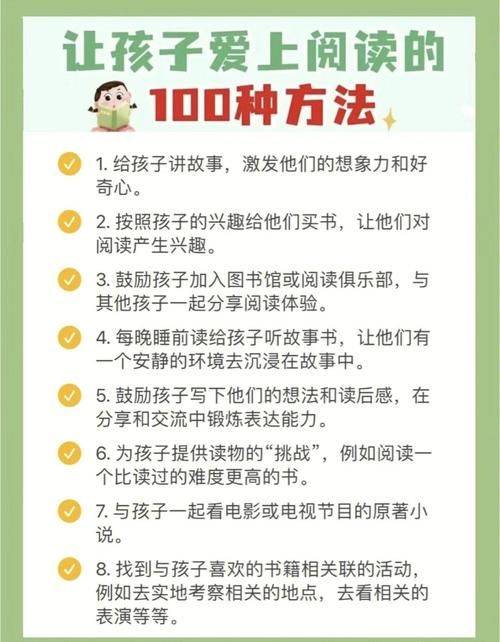
The right to choose a book is given to the child to promote participation. Selecting books with children, using the “three vote principle”: parents pre-empt the content, the children have the final vote and do not assign books to adults. According to the children 's choice of interest, such as the child 's preference for animals, the child starts with a general book of animal science; the child takes risks, chooses the adventure story and binds reading to the child 's interest。
Iv. Age-based guidance and adaptation to different stages of reading needs
The cognitive capacity of the child increases with age, and reading habits cannot be developed “one size fits all”, with targeted programmes tailored to different age groups。
Pre-school (3-6 years): seize the reading of the golden window, mainly by reading it together, and stimulate interest through storytelling and guessing. Select drawing books, drawings, with a focus on graphic colours, story tastes, not literacy, and interest in reading。
(a) the lower primary school (7-9 years of age): to expand reading on the basis of literacy and to work together with home schools to create a double reading atmosphere for classes and families. A child can read a bridge book that combines the text, gradually transition to a plain text book, and encourage children to write a post-reading sense, draw a picture in the book, and use output to consolidate reading results。
Upper primary school (ages 10-12): direct children to expand reading materials, from storybooks to science, history, literature and literature, and to develop in-depth reading skills. Teach children to read notes, mark points, discuss views in books with children and promote critical thinking. At the same time, teach children to recognize ai generation and improve information recognition。
Secondary education (13+): respect for the independence of the child and the development of a deep understanding through subject reading, reading debates, etc. To enable children to choose their own books, to exchange reading and awareness on a regular basis, and to guide them to develop a complete knowledge and value system。
V. Using “positive incentives” to make reading a positive cycle
The children’s reading habits need to be consolidated by positive feedback, and reasonable incentives can give children more motivation to keep reading, leading to a “read-happy” cycle。
Timely confirmation, concrete commendation. When the child reads the book on his own initiative, not just "you're great," but the details: "you read the story today with a special emotion, and you read the bear's love!" specific praises allow children to know clearly where they are doing well and enhance their sense of achievement。
Visualize the results, strengthen the perception. Documenting a child’s reading with a “read the tree” “tick the card” and putting a star on each book saves a certain amount of small gifts, such as a new drawing book and a park trip. Show children's readings, post-readings, role drawings in books in family spaces so that children can feel the results and recognition of reading。



