Ribbon is a common vegetable crop, which is softly lubricated, tasted and nourished, and which many people like to eat, and is grown in many areas because of market demand. In order to ensure that the melon is of high quality, it is important to have the right planting methods. Here are some of the highlights of the time and technology of guacamole cultivation。
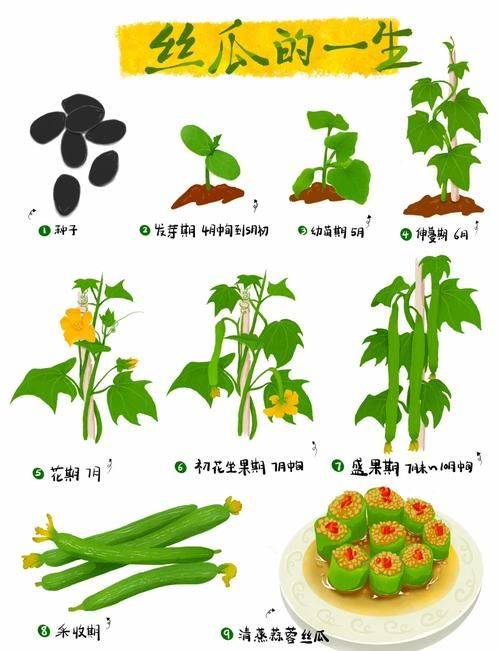
Cultivators can be grown four seasons a year, in the spring generally in february-april, in the summer generally in may-july, in the autumn in august-september and in the winter generally around november. Owing to variations in climate temperatures and the timing of guacamole cultivation in our southern part of the country, the south tends to plant around february, before and after light。

2. In order to produce a high yield, land parcels must be selected for production in the sun, * fertile, * deep, * high organic content, easy drainage and irrigation and * medium ph value on the border. Prior to planting, the alkalinity of the *border acid is regulated. For acidic *marine, 60-80 kg of lime per acre at the time of application; for alkaline *marine, 60-80 kg of plaster per acre at the time of application. It is then applied to the planting grounds 7 to 10 days in advance and then combined with the tillage. In base fertilizer, 2,500 kg of manure per acre can be applied to mature farmers, 100 kg of cake and 50 kg of compound fat。
3 seeds are tanned for 2-3 days before seedlings are planted, then impregnated in hot water of 30-50 degrees for 6-12 hours, disposed of with 0. 1 per cent potassium permanganate or other drugs to disinfect the fungus, cleaned and sprouted, and then planted in pre-prepared crib beds. When the seedlings grow to two or three leaves, they grow three or five days after seedlings are seeded. Cultivation depends on the variety of varieties, with the average raisins growing 500 units per acre, the pre-maturized varieties growing about 700 to 1,000 units per acre and the pre-maturized varieties growing around 1,500 units。
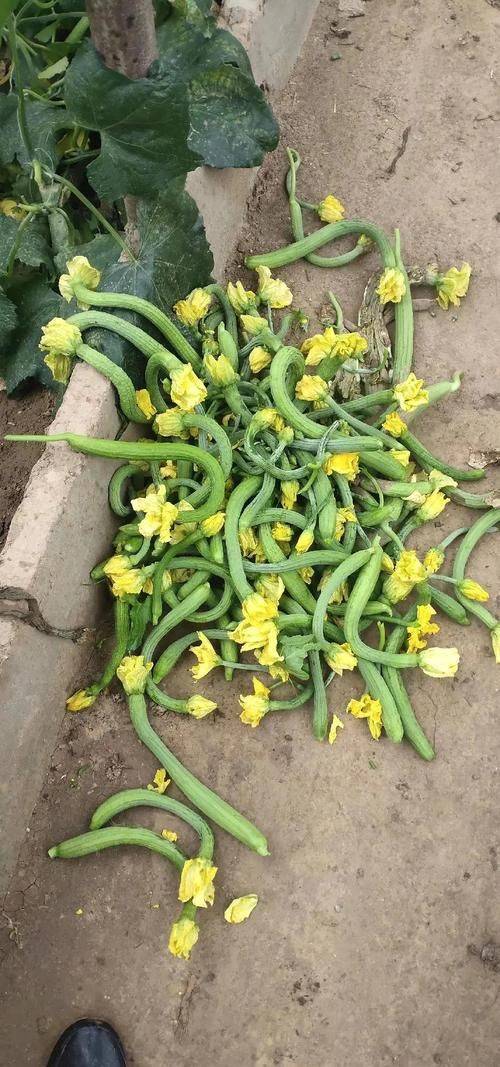
4. Water fertilizer management silkmelon is a popular, heat-resistant, wet-resistant vegetable that needs to be watered, followed and fed for a long period of time so that it can not be applied and less fertilized until the seedling reaches the fruit. When the filamentary plant enters the guacamole period, the greatest demand is for water and more so for re-fertilization, which can be followed up once every seven days with diluted human urine or 1 per cent of composite fertilizers, and once every seven days with potassium phosphate。
5. The management of the guacamole in the field is a reptile, a concubine crop, which should be carried out in time after planting, and when the seedlings grow, they must be drawn to the top or scorch. It is also necessary to do the whole thing, and to remove the long or dense side branches in a timely manner, which would otherwise be detrimental to the sitting and expansion of the melon. In the case of long and weak plants, female and larvae below the age of 10 can be removed at the beginning. When the guacamole rises on the shelf, it is necessary to take care of it when two or three beads are grown on the side, and to remove too many males from the side, as well as the other chickens from the top of the main chicken, which should also be dealt with again when the two chickens kept on the current side grow to 10 leaves。
6 there are relatively few filamental pests and common pests, such as guacamole, leaf deadness, disease, lignoma, anthrax, etc., which normally reduce the occurrence of harm through management, such as rotational cropping, high permafrost cultivation, scientific watering, increased phosphorus fattening, etc., and can also be combated through spraying, new cocin, mercurin, and dyson manganese zinc, with particular attention to pre-disease prevention. The above is a description of the methods used to plant the guacamole, which is a common vegetable crop, and which is well adapted to the quality of its production if managed, so it is important for everyone to be able to grow the guacamole in such a way as to do so。