Introduction: when you hear the word "pricot" you must have thought most of it about a cooking dish that is common to cooking at home. But the peppers we are talking about today are not the kind of peppers we eat, but the usual green shrubs of aroma. Some of those who might have mixed up with pepper wood and scavenging wood are too similar if not carefully observed. To say the most important difference, we're still focused on smelling, and pepper wood usually doesn't smell directly, and only crushing leaves can smell a strong pepper. And the fragrance of the wood will be ablaze like citrus skin. From the fruit of the fruit, the peppers are green and brown and the fragrance is red。
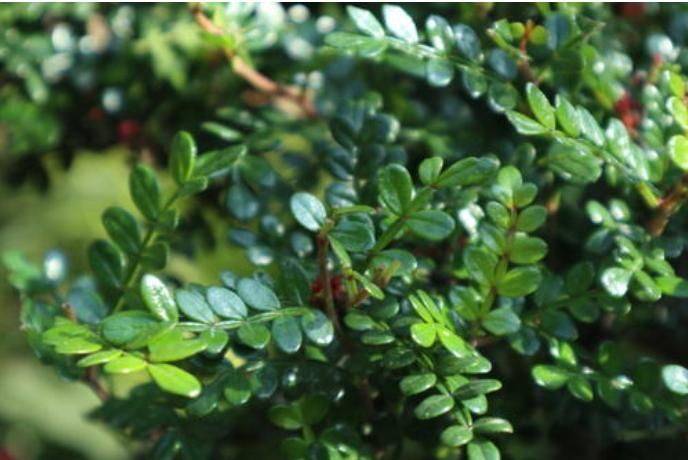
Beautiful as new pepper leaves
Pepper wood, also known as taiwan pepper wood, originated in japan. As all the friends who have had the pepper basin view know, the pepper wood is green and brightly rounded with green onion and bright leaves, and it also brings out a radiant fragrance, and its leaf is as smooth as a bird's feather, and in the spring (april-may) there are golden flowers and then brown fruit. Pepper wood grows very slowly, prefers a warm environment with ample light (at a temperature of 20-30°c) and is well adapted, not only to heat, cold, drought, wind, shearing and shifting, but also to water and water. So water this piece, especially. Then, if the soil chooses this piece, it is preferable to choose the best sandy border soil with a good estuarine drainage。
(the applet has been added here, please view the front page of today)
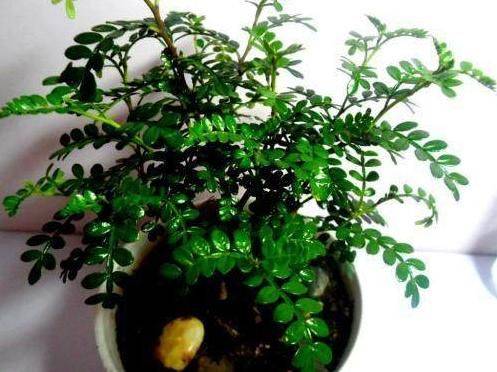
The pepper wood that just watered
With such good growth habits, it's easier to grow. But is it true? Many newcomers may have lost their leaves while raising them. It's actually related to slow growth of pepper wood and low birth fertility. I will then propose specific solutions in the context of conservation. And i'm going to tell you, what are the techniques for making the peppers? What are the concerns during production? How to manage conservation after production? It is hoped that the conservation of pepper wood basins will be completed through these three issues。
(the applet has been added here, please view the front page of today)
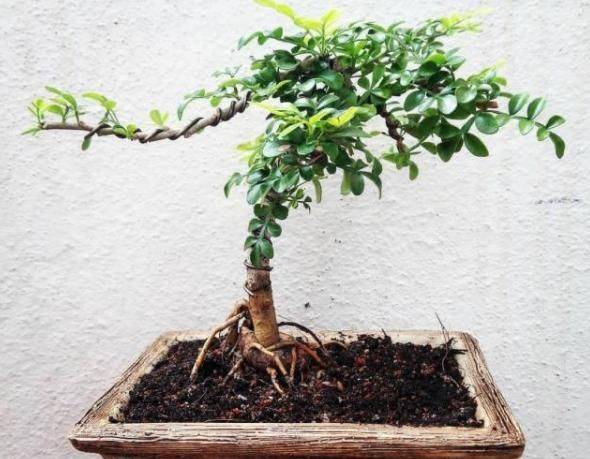
A normal-growing pepperwood basin view
I. The production process and methodology of pepper wood basins:
As a result of the slow growth of pepper wood and the fact that leaves tend to be “floating” bald during their growth, we usually have two routes and directions for making them. One is the production of a normal-form basin view, with long years of nurturing, but growing up, both in appearance and in the fragrance, has a remarkable expression. The other is the mini-basket view, which is a little shorter, but is more in line with the growth habits of pepper wood, as is common in the market. So, for those who haven't done it, i suggest a little bit better. In general, there are the following steps:
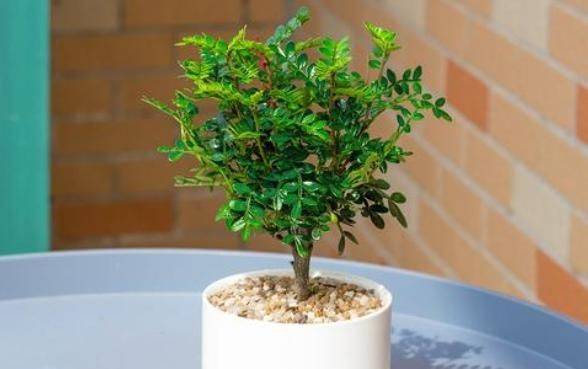
Mini-pippie basin view
1. Selection of stakes: at the time of the selection of the stakes, the pepper basin view is generally obtained by two means, one by field mining and the other by purchasing from the market. Regardless of the method of acquisition, it is important to note the following:
(1) select, to the extent possible, a pillar that is green in colour, has a delicate face, has a good sense of stock quality, is fully robust and has no visible disease or pest on its surface。
(2) in the case of field mining, do not attempt to damage the root system during the extraction process, after which root cleaning, disinfection, and subsequent drying in the cold ventilation。
(3) a small amount of fine trimmed may be performed upon the acquisition of peppers。
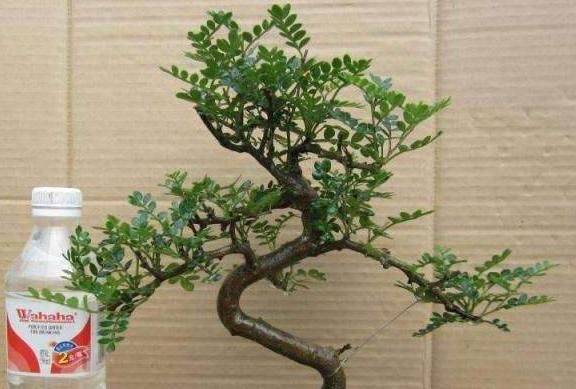
It's a perfect pepper basin view
2 selected basins: in view of the impatience of the pepper wood basin view, there are strict requirements on the selection basins to use as much as possible the gaseous and drained flower basins on the material, generally using pottery and purple sand basins. The depth and size and shape of the basin are then determined by the production of a basin view style. If the style is precipice, you can choose a high-deep kiloscope; in the case of drying and tilted drying, you can select a mid-deep basin of rectangular or elliptical shape, and, in the case of roots and stones, a shallow basin. In principle, the basin is three to five centimeters larger than the earthball diameter。
(the applet has been added here, please view the front page of today)
3 soil formulation: as mentioned earlier, pepper wood basin view prefers fertilized, fertilized, well-watered micro-acid sand soils. So, when we do this, we usually do it in a scale of 2:2:1 with a corroded earth, organic fattening, coarse sand. In view of the impatience of the pepper wood basin view, a 2-3 centimetre layer of coarse sand at the bottom of the basin could be chosen before planting。
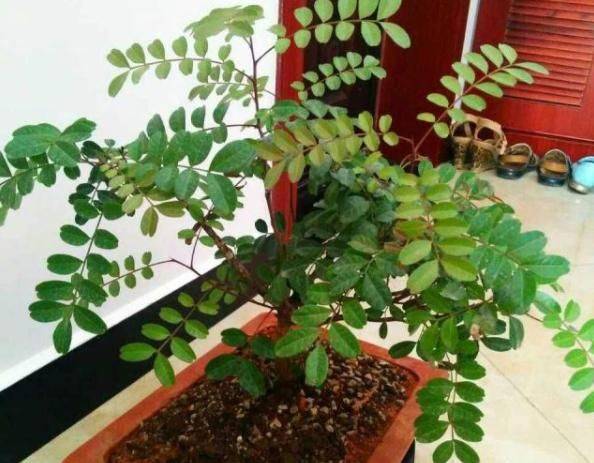
Select the pots based on different sizes of pepper wood. Land
4. Pre-basket production: we set aside the disinfected, ventilated pillars, then put a layer of sand on the bottom of the basin, then put a layer of sand on the ground, and then determine the height of the subsoil according to the length of its roots, holding the pile in one hand and returning to the ground with a small shovel. It is sufficient to return to 2-3 centimeters from the basin. It is possible to place a layer of moss or cylindrical on the basin。
5 shearing: because of the slow growth of the pepper basin view and the fact that it is not too much in principle to trim, we must maintain a good model that is primarily plated and supported by cutting. The cut-off time should be chosen for spring, although it may also be done during the winter of the hibernation period, but in view of the later growth recovery and healing of the wounds, it is better to use the spring sun and afternoon。
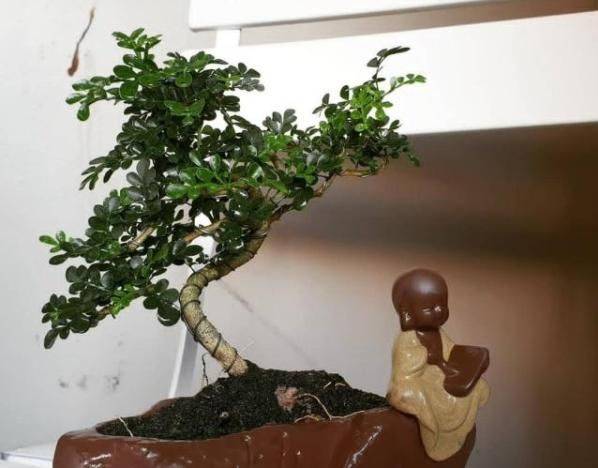
Just put on fat peppers
(1) shearing: a warm, warm spring afternoon with proper cutting of the twigs, old and sick branches, reduced nutrient consumption and overall ventilation, and fewer pests. Consideration should also be given to triming the small leaves of the pepper wood into a layer or hemispheric form in order to preserve the overall appearance。
(2) ploting: the winter of the hibernation period takes place at noon, mainly with brown silk. This is mainly based on a different degree of fineness of brown silk, followed by a selection of branches with larger or relatively rough branches for tattering. In doing so, it is necessary to predetermine the configuration and then to bend it rationally according to the desired configuration and to avoid multiple plastering leading to dry damage。
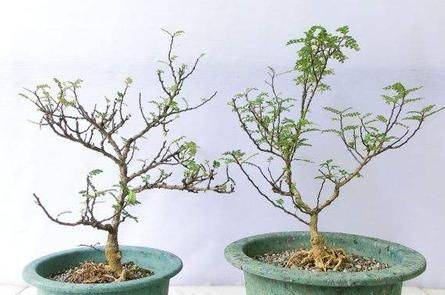
The pepper basin view after trim
6. Water conservation: once we have finished trimmed, we can water the pepper wood basin view and then plant it in a cold ventilator so that it can reach normal conservation once the period is over。
Ii. Care in the production of pepper wood basins:
One, pepper wood basin viewers must not be exposed when they use a brown silk dish, otherwise it is easy to influence the appearance. In addition, the main branch is present as much as possible in a state of convoluting and the other small branches as naturally as possible。
The pepper wood basin view, which is slow to grow, is not formed at one time and needs to be nurtured over many years in order to produce the desired state in the course of continuous plate-to-painting and cutting. We're going to have to get our friends ready for the long term。
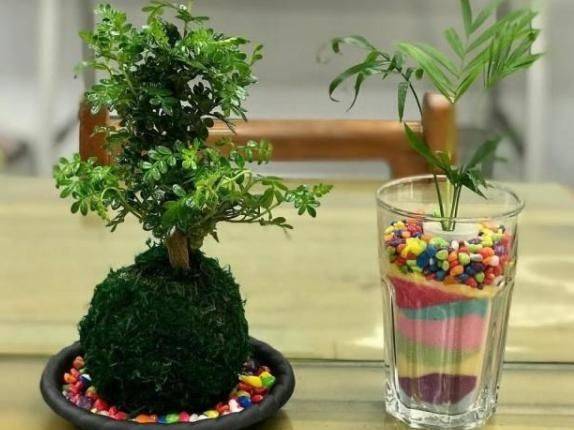
It's growing a pepper wood basin view
3 spring shears do not affect the later growth state, so they can be done in appropriate quantities. In addition, if the branch is too smooth, a layer of cotton cloth can be attached to it and then plastered。
(the applet has been added here, please view the front page of today)
4 the demand for fertilizer is still relatively high in the pepper basin view, so that, when setting soil, a certain amount of base fat is given, rather than slowing growth thereafter, and leaves are prone to balding。
In selecting a stake, the field must be dug in such a way that the sun is full and the sun or cloudy weather is chosen as much as possible。
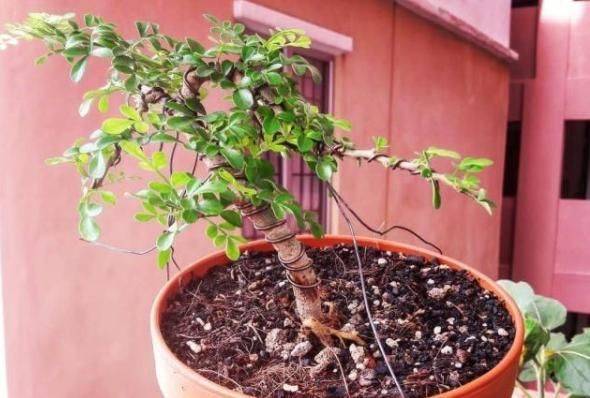
It's got a favorite pepper wood microscope
Iii. Conservation management after the production of pepper wood basins:
1. At the end of the slow-growing period, pepper wood may be placed by a window or balcony in the southward direction, choosing, as far as possible, an environment with sufficient light and good ventilation。
2. The growth of the pepper wood basin is at 20-30°c. In the summer, the temperature is high and the heat is so that it is covered and wet in a timely manner, that it is moved to a cool vent and that it is sprayed with leaf water. When winter temperatures are low, when temperatures are below 10°c, they stop growing; when temperatures are below 4°c, they are prone to frostbite, so we still have to take precautions。
3 in the water, the pepper wood basin is impenetrable, so the soil must not accumulate. During the growing season, the pelvis is wet, and the high-temperature dry season and winter should be regularly watered with the pepper wood basin and the environment to maintain relative humidity. The water is usually watered three to five days a day, and so is the water。
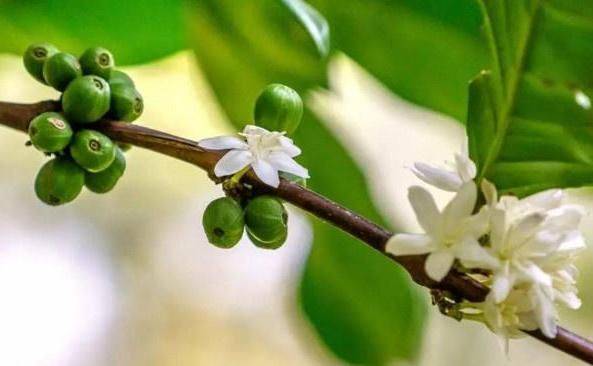
The pepper wood that's blooming
4/ fertilizers, which require a large, long-lived pepper basin view, are applied every 15 days to a thin liquid fertilizer (basket or pie), and after mid-fall, can be followed up with 1 to 2 doses of potassium phosphate solution to increase winter resistance to cold and disease resistance of plants。
(the applet has been added here, please view the front page of today)
5. Pest and pest control, mainly anthrax and aphids, is primarily preventive and supported by prevention. In the case of anthrax, the spray can be treated with methyl sulphate or crack moist powder, two to three consecutive times at an interval of one week each. In the case of aphids, insecticidal sprays, such as aphids and aphids, can be used to combat them two or three times at intervals of 5 to 7 days。
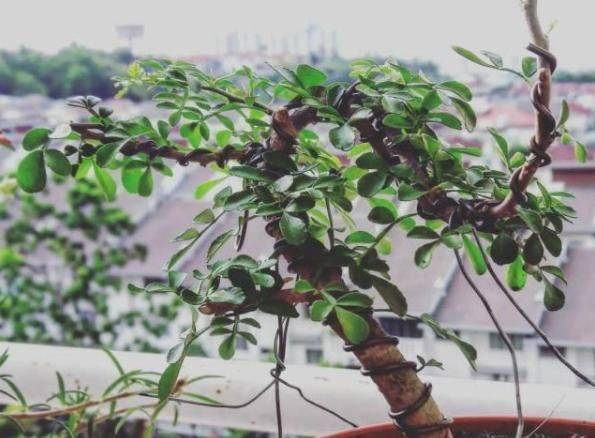
♪ waiting for watering peppers ♪
Synopsis: pepper basin view must be maintained from production to later in accordance with the growth habits of pepper wood. For example, pepperwood grows slowly and is not wet, so we have to work on cutting and watering. Also, pepper wood is easy to “leave”, and we have to place it in a well-lighted place, while at the same time producing adequate fertilizer for long periods to sustain later growth. There is also the choice of the right time and the appropriate method of cutting on the cutter, which cannot be placed in a well-lighted place. Only with these points will the anointing fragrance of the four seasons of the year remain with us。
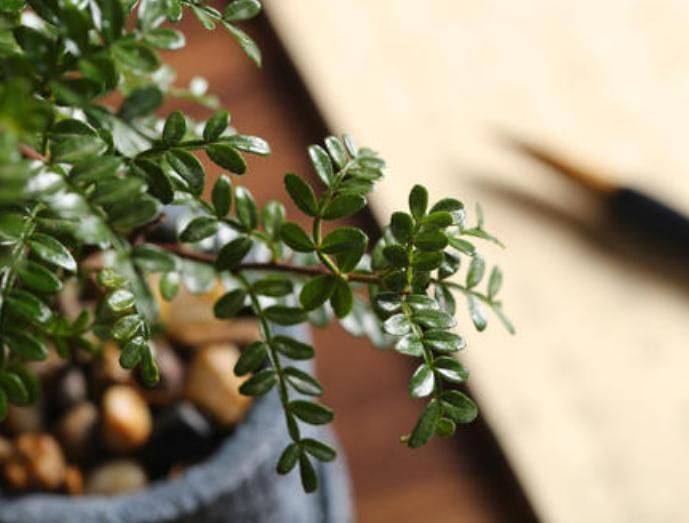
The pepper bushes next to the study