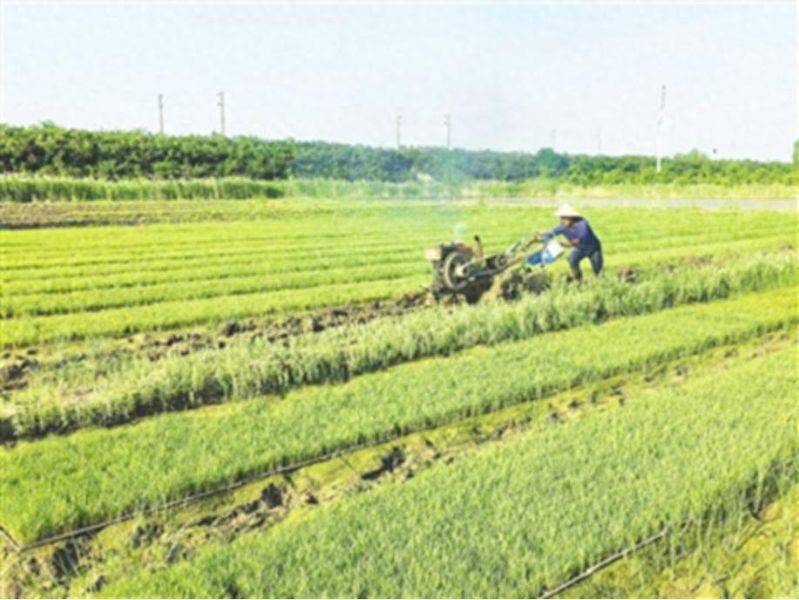
Low cadmium rice, saline-resistant rice and conventional rice are “three keys” designed to solve different cropland problems. They are adapted to different areas, and their cultivation is very different and cannot be used interchangeably。
Briefly, low-cadmium rice specializes in “cadmium-contaminated land”, saline rice specializes in “saline-desolated land”, and ordinary conventional rice sustains “conventional good land”. It's the wrong place. It's either zero or nothing。
Hunan programme for low-lying cadmium rice, specializing in cadmium rice
It is suitable for only one location: the low-moderate cadmium-contaminated cropland in the middle-downstream of the yangtze river, with its core in hunan。
This is not an optional species, but a “life-saving straw” that pollutes arable land. In a field contaminated with cadmium in 52 districts, including hunan sang-sik, ikehang and others, ordinary rice is grown and the rice cadmium content is extremely high, turning into toxic “cadmium rice”. However, the effect of replacing low-cadmium varieties with “two-plus-8612” is immediate:
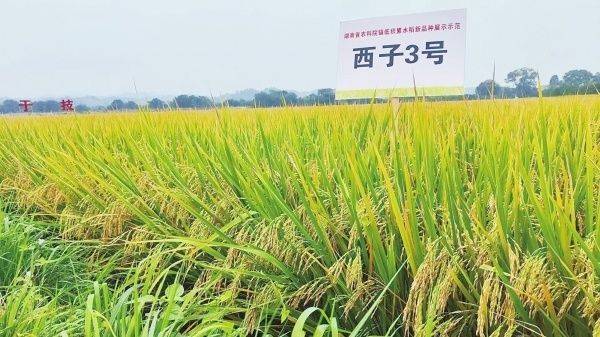
Thus, the difference in its effects is not more productive than who, but rather ** the essential difference between “safe” and “toxic”**. By 2026, there will be 55 such varieties, which have reached over 7 million acres nationwide。
Saline-resistant rice, food for saline
Its battlefields are saline lands where ordinary crops cannot survive, mainly in the ring sea, the north-east pine plains and the north-west interior。
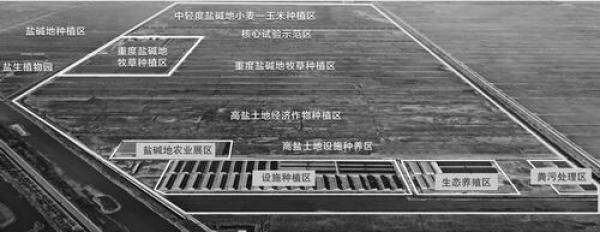
On the soda salin in the town of jilin, the improved plain rice acres produced only 100 pounds, almost to no end. For saline-resistant varieties, such as “twilight-based” 3261, it is possible to achieve a stable production of 400 kg of acre in an environment of 3 to 5 kg salt, well above the 300 kg target originally set by yen long peng. This is from zero to one cropland resources, not only from nothing。
More importantly, it's still an ecological improvement project:
The difference in effect is the difference between ** ** ** ** ** ** ** ** ** ** ** ** ** ** ** ** ** ** ** ** ** ** ** ** ** ** ** ** ** ** ** ** ** ** ** ** ** ** ** ** ** ** ** ** ** ** ** ** ** ** ** ** ** * ** ** ** ** ** ** ** ** ** ** ** ** * ** * ** ** * ** * ** * * * * * * * * * * * * * * * * * * * * * * * * * * * * * * * * * * * * * * * * * * * * * * * * at present, the national centre for salin resisting rice technology innovation is closing, with the goal of producing 300 kg of rice acre on ** land containing 8 per 1,000 salt.**。

General conventional rice, “basic disk” for food security
It occupies the vast majority of the country's natural and regular rice fields, mainly the cold north-east, the yangtze basin and the high-quality south-west rice areas。
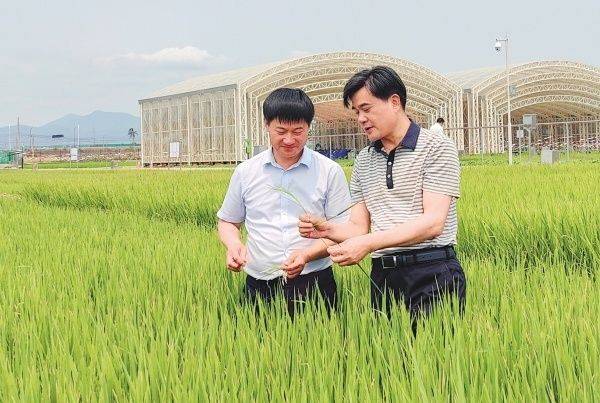
This is the most technologically mature, least costly and most well-developed of the supply chain. In non-salin, non-polluted fields, its performance is “stability”:
If you compare it with special rice in a “misplaced” scenario, the results are clear:
Conclusion: not competition, but the division of functions
So the discussion of how much of the difference in effect is in itself an erroneous comparison. Their relationship is not “who is better”, but “where to use whom”:
The problem of agricultural land in our country is complex and there is no “one-size-fits-all rice”. It is these three precise keys that work on pollution control, expansion of borders, protection of the core, and together to secure the jobs in our hands。