I. Receiving for the rest
The selection of trees - most of the broad leaves other than pine, sprouts, platinum and sorghum - can be planted in black wood, e. G., twigs, aluminum, willows, san, sorghum, pear trees, etc., as well as in trunk branches 4-12 cm in diameter。
Logging - after the general “man nine” period, trees are best cut in the “hypnotic” phase, when trees are rich in nutrients, low moisture, low temperature, low fungus infection, just in the form of agricultural idleness and labour。
Intersection - for ease of operation and management, cut trees, branches, 1 metre long, 50 pieces in one. In general, about 1 cubic metre of wood is used for three segments of wood。
Ii. Earfield selection
The planting sites for the black moor shall be selected in areas where the backwind is sunward, air flows, near water sources and drainage is convenient. When the ear field is selected, the field is to be levelled, the ground is to be sprayed with multibacterium and lime powder in order to eradicate the insect, and the fungus of the dead wooden stakes around the site should be burned。
Iii. Sunshine
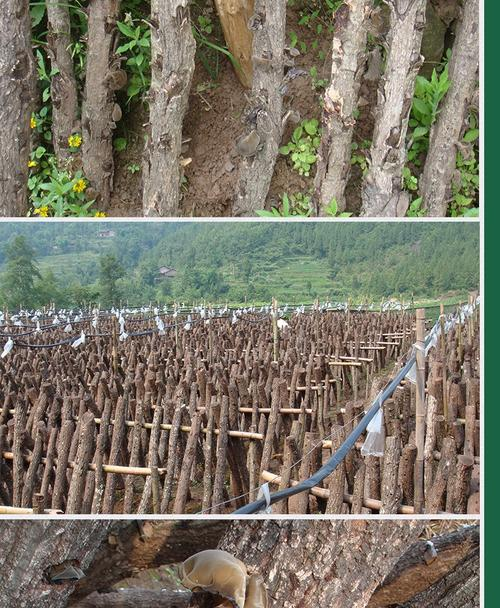
The logs are placed in “wells” piles at the site, which are 1. 5 metres high and easy to operate. We'll flip every half month or so. The purpose of the tan frame is to kill the wood tissue and to dry it up to the appropriate level of seeding. When the wood contains less than 50 per cent of the amount of water, the transect becomes yellow white and has a little radioactive crack, it is possible to plant it and apply limewater or polybacterium to wipe the part of the wood and the bark of the tree to prevent bacterial infection。
Iv. Policies
The bacteria are to be taken out of the fungus bottle and planted on the wood。
Time for seeding - the dots usually take place in march-may spring, when the temperature is 5°c. When seeded, a piece of wood can be placed in a plastic shed or covered with a plastic film, the temperature in the pile rises to more than 10°c, the fungus silk can grow slowly, the fungus filaments are most suitable at 22 - 28°c and the temperature at the point is best at the lower limit close to its suitable temperature。
Point seed density and depth - appropriate for dens ranging from 7 to 12 cm, with a diameter of 14 to 16 mm, deep in wood of 1-2 cm. Each one requires approximately 14-16 bottles of fungi. When seeded, it can be sealed with wooden plugs or gel. The purpose and function of the seal is to keep the wet, warm and prevent bacterial infections。
V. Upper fungi
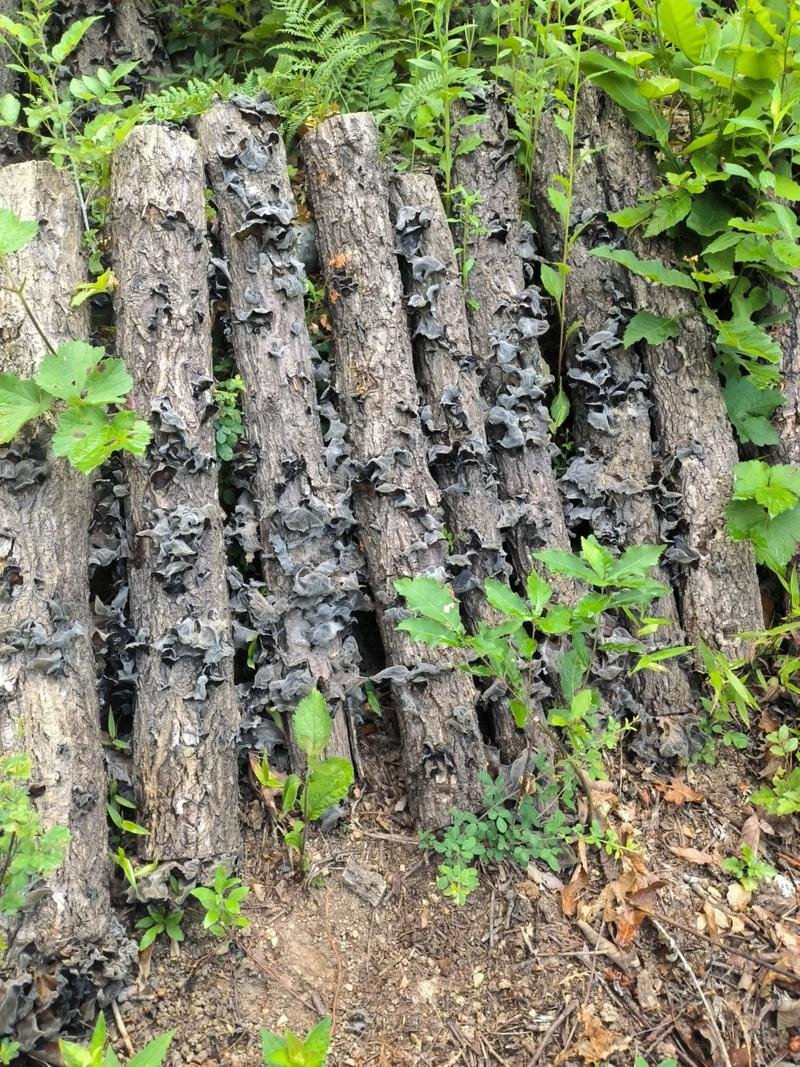
The purpose of the heap of fungi is to promote the rapid recovery of the growth and planting of the damaged mycelium when seeding, the discharge of the pile of wood in the “well” form, and the opening of the wood in the wood area for ventilation. Lower temperatures at early spring points are preferred to be covered with plastic film in order to achieve a rapid increase in the temperature in the stack. The temperature of stacks covered by thin membranes has been determined to be about 8°c higher than that of piles not covered by thin membranes. Covered with plastic film, the temperature in the stack can be above 20°c during the day and suitable for filament growth. When the temperature is too high during the day, a thin film should be lifted and the ventilation should cool; the temperature at night should be low, and care must be taken to cover it. It's not appropriate to spray water for just ten days. Thereafter, depending on the dry and wet state, the water is sprayed in the same amount as the dump. In order to level the in-house earwood, a six-month roll-over is carried out, the original section of wood is moved up and down and re-mounted. Upstretched fungi 1 - 2 months, when there is a white membrane on the surface of the intracreatic species and a white membrane on the base, it is indicated that the fungus has been planted, has been developed in the wood sector and can be dispersed。
Vi. Fragments
The purpose of the stacking field is to promote the rapid growth and spread of mybs in the wood, and to shift mybs from nutritional to reproductive growth as soon as possible, as a continuation of the heap。
This is done by lifting the wood side by side or brick, leaving space between the logs, ejecting it by scab, and allowing the earwood to receive sunlight and fresh air. The water supply is important every 10 to 15 days in order to achieve a hysteria of the ear, which should be sprayed early in the morning and at night, so as to grow and grow with lewd silks, with a large number of young ears occurring in the early summer and autumn。
Vii. Hole up and through
When about 50 per cent of the earwood is sprouts, it can rise up and rise up, using a “human” font or a fish slab. The water at this stage is the most important and key to high quality production, and when weather is clear and dry, water should be sprayed lightly early in the morning and late in the evening, keeping the air relatively wet at 85-95 per cent and the sub-entity will grow rapidly when appropriate。
Collection
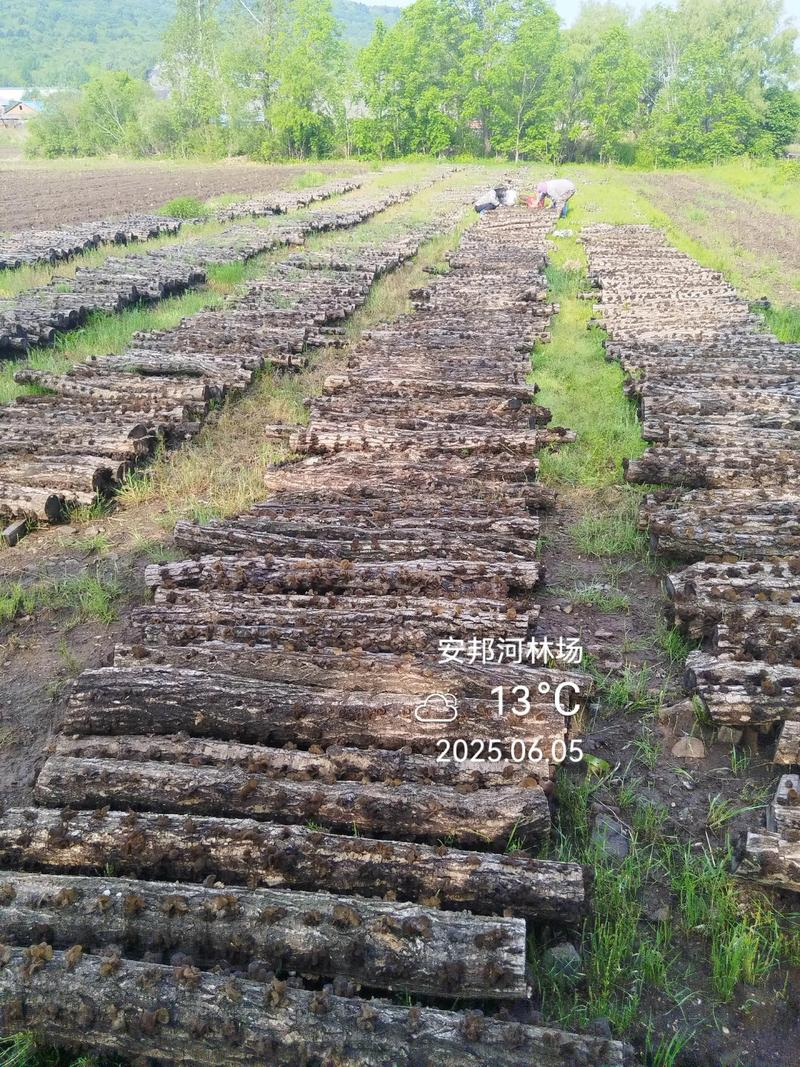
The earpieces should be taken in time when they mature, otherwise they are prone to rotting ears. It would be preferable to collect in bulk to facilitate management in the next period. The ears are small and the ears are small. Ears should be removed from their roots, otherwise they are prone to rotting roots, ears and fungus. It should be collected in the weather, and the ears of the wood collected should immediately cool down。
After the taking of the ear, water shall cease to be sprayed, the earwood shall be cooled for five to seven days, a little drying shall be added, and the mycel shall be restored to its growth, and then water shall be sprayed in the morning and at night, and the earpiece shall grow. This is managed in a dry and wet rotation and is collected every 10-20 days。
Ix. Wood winter management
Cultivated wood with wood, usually for three years. First year, second year, third year. Winter temperatures are low, the sub-entity ceases to grow and the fungus enter hibernation, and earwood should be concentrated and still piled in “well” fonts in clean drying. When it is too dry, appropriate water is sprayed. In the following year, the temperature rises back to above 5°c in the spring and the ear buds are sprawled, then the scrambling and the spray management. (from 100 cases of meteorological services for high-yield quality agriculture)